
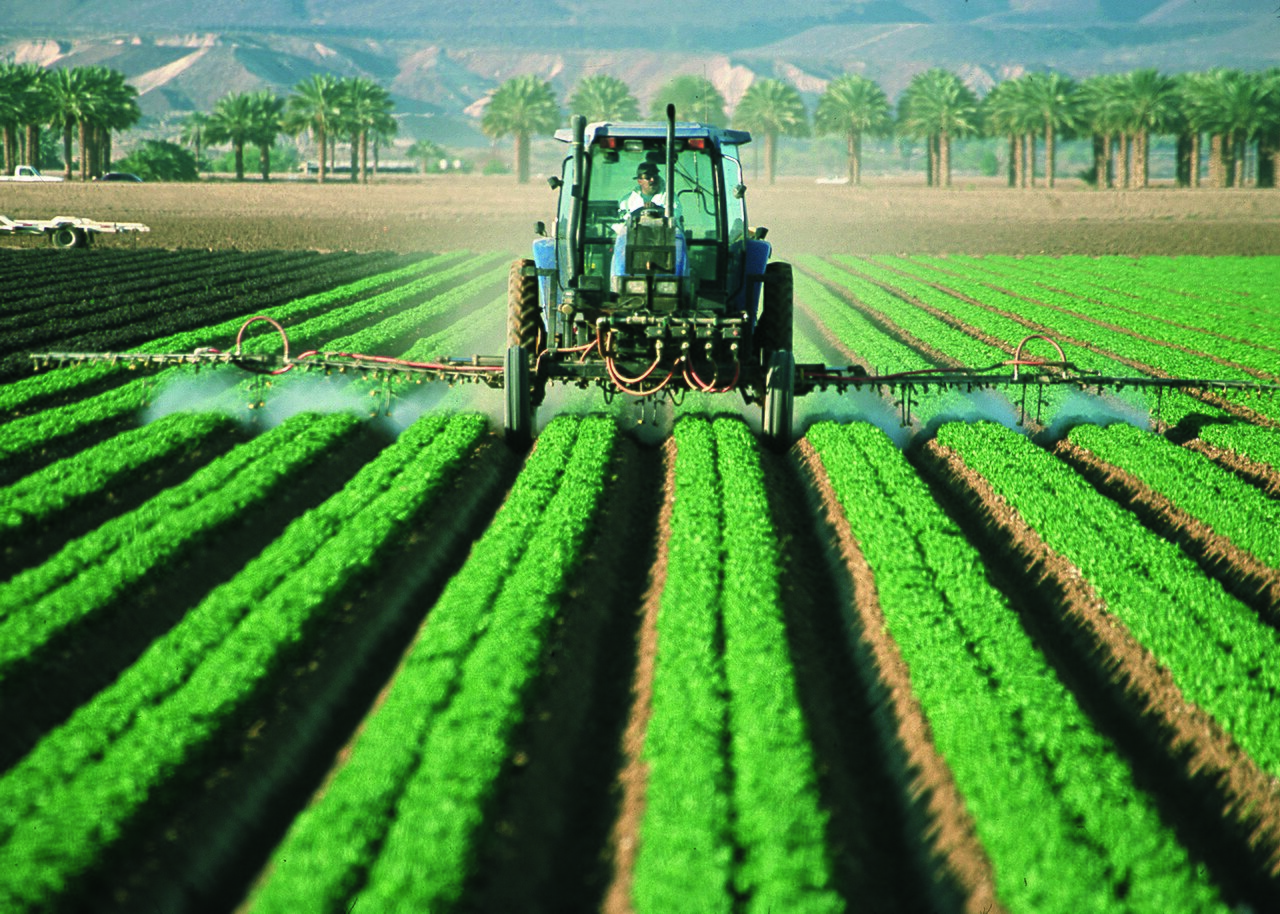
Vegetables in Bangladesh are being treated with 10 per cent more pesticide than the approved dose and fruit with 4 per cent more, a workshop in Dhaka heard on Wednesday. Dates were found to carry 5 per cent more and dried fish 10 per cent more. Experts blamed farmers' lack of awareness.
The figures were presented by entomologist Dr Nirmal Kumar Dutta, a director at the Bangladesh Agricultural Research Institute (BARI), at a workshop organised by the Bangladesh Agricultural Research Council (BARC) in the SAARC Agriculture conference room at Farmgate.
Pesticide use has risen sharply, he said, and pests are becoming resistant to chemical pesticides, which in turn drives farmers to spray even more. Because excess spraying also kills beneficial insects, outbreaks of harmful pests are increasing. More than 25 new harmful pests had arrived in the country by 2016, he said.
"Eighty per cent of the insects in the country are beneficial. They eat harmful insects and protect crops," Dr Dutta said. He called for moving away from highly hazardous pesticides and for greater use of biopesticides in place of chemicals, noting that the United Nations and the World Health Organization have identified 25 highly hazardous pesticides against eight criteria.
About 8,000 pesticides are registered in the country, he said, and testing found 47 per cent of them to be 100 per cent pure. Speakers said Madhupur's pineapple growers were applying doses 16-17 per cent above the recommended level.
Professor Dr Khandaker Shariful Islam said fake pesticides were letting pests breed instead of killing them, while Professor Dr Mahbuba Jahan said biopesticides already exist in nature and beneficial insects must be protected. BARC director Dr Md Mahfuz Alam also spoke; BARC chief training officer Al Mobasser Hossain moderated.
The report is by a Protidiner Bangladesh staff correspondent.
Photo: Jeff Vanuga, USDA NRCS / Wikimedia Commons (public domain)
Source: Protidiner Bangladesh

Comments
(0)