
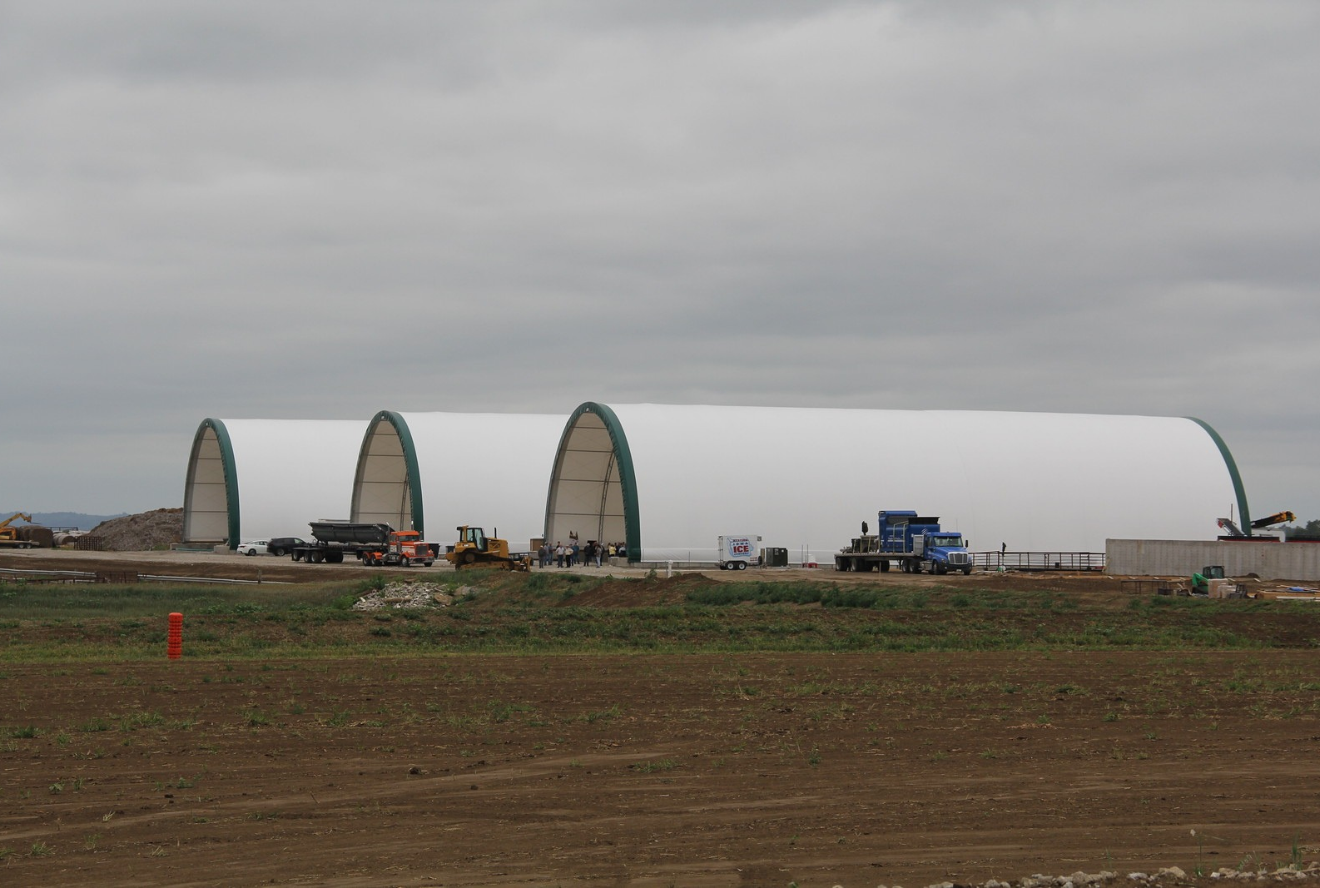
The US Department of Agriculture has selected eight fertilizer manufacturing projects to receive funding under its Fertilizer Investment & Expansion for Long-Term Domestic Supply (FIELDS) Program, Vice President J.D. Vance and Agriculture Secretary Brooke Rollins announced on 22 October in Nebraska.
The projects represent more than $1.34 billion in total proposed investment, of which about $573 million is proposed USDA funding. They will add or expand capacity for nitrogen, phosphorus, potassium and sulfur fertilizers and are expected to support about 1.08 million tons of domestic fertilizer production and capacity a year. USDA did not give the projects' names in the release text.
USDA launched FIELDS as a $500 million programme to expand domestic fertilizer manufacturing. It says it is adding money recovered from projects under the earlier Fertilizer Production Expansion Program (FPEP) that did not succeed, and that FIELDS favours financially viable, implementation-ready projects with committed private investment, proven demand and measurable output.
The department points to how concentrated the industry has become. Four companies control about 77% of North American nitrogen fertilizer capacity, two account for more than 90% of phosphate capacity, and two produce about 90% of North America's potash. USDA's economic analysis estimates that once the new plants operate, nitrogen fertilizer prices could fall by 4.4% and potash prices by 5.3%, while domestic nitrogen output rises by 3.7% and potash output by nearly 40%.
"Farm security is national security," Rollins said, arguing that the country cannot depend on foreign suppliers for the fertilizer needed to grow its food. Vance said the investment would bring lower-cost, American-made fertilizer to farmers.
The programme is run by USDA Rural Development's Rural Business-Cooperative Service using Commodity Credit Corporation authorities; USDA says fewer suppliers have left farmers with less competition, which the new capacity is meant to reverse.
Source: USDA
Comments
(0)