
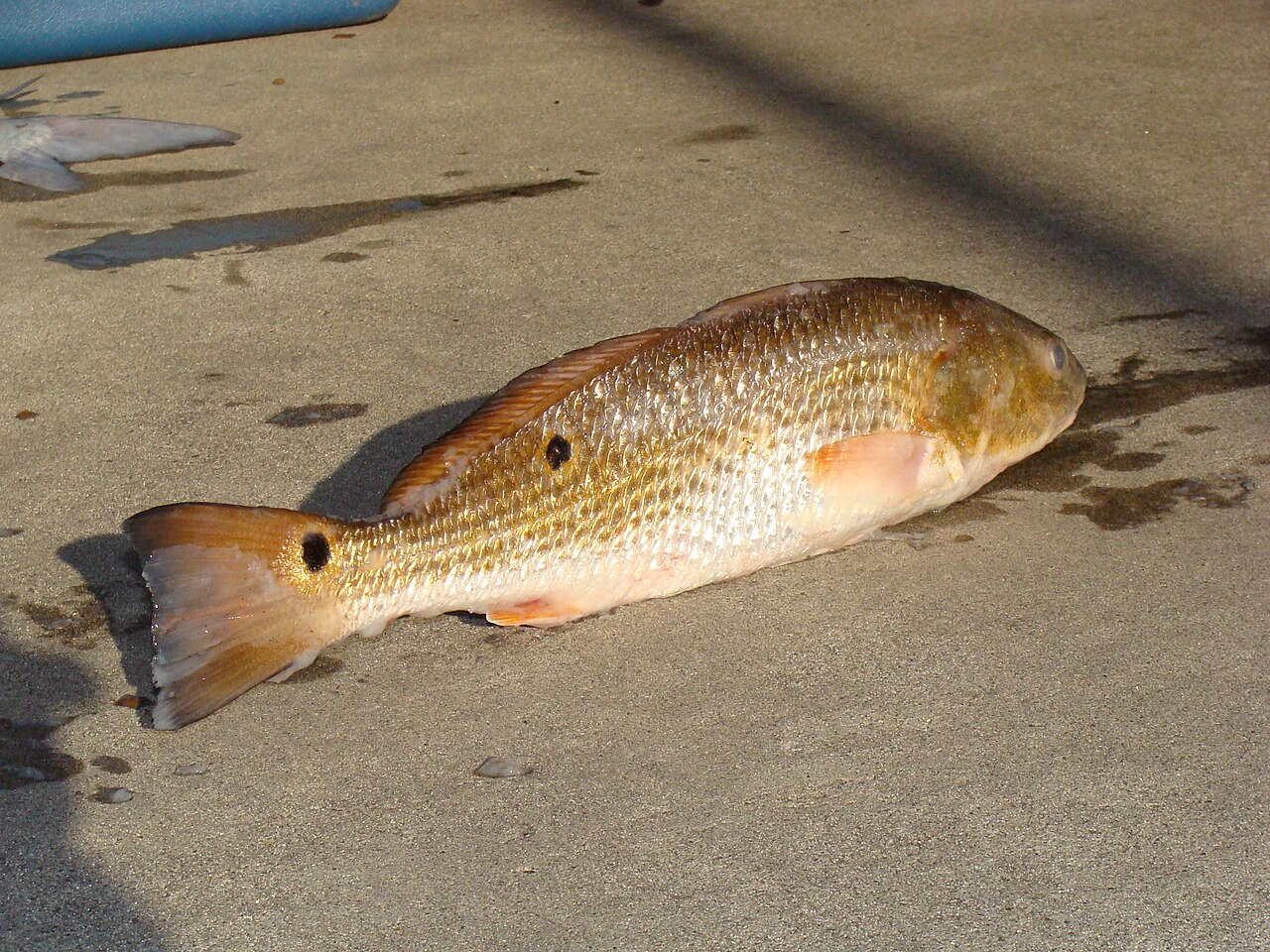
Most of the red drum served along the US Gulf Coast is not wild Gulf fish at all, and the region's fishermen are caught between cheap imports and a push for offshore fish farming, writer Boyce Upholt reports in a long feature for the Food and Environment Reporting Network (FERN), produced with the Southern Foodways Alliance.
Red drum, the fish behind the famous blackened Cajun dish, is so heavily protected that it is illegal to sell almost any caught in the Gulf. The fish in New Orleans markets is shipped in; much of it comes from farms in Palacios, Texas, where rice fields were turned into catfish ponds and, from the late 1980s, red drum ponds. Imports run through shrimp too: genetic testing at a Louisiana seafood festival found 80% of vendors serving imported shrimp, and a well-known Biloxi restaurant pleaded guilty to wire fraud over mislabelled seafood.
Cheap farmed shrimp from Asia has depressed prices so much that, adjusted for inflation, Gulf shrimpers earn four dollars a pound less than forty years ago, and a federal report this year said the fishery "has not been economically sustainable for at least 20 years". About 70% of the shrimp Americans eat is now farmed, yet the United States had just 150,000 acres of marine aquaculture against China's more than 5 million.
Neil Sims, chief executive of Hawaii-based Ocean Era, wants to change that with a submersible pen 56 feet across, 45 miles off Sarasota, Florida, to raise 20,000 red drum in a year; no finfish farm has yet been built in US federal waters. He argues that deep water, sandy bottoms and good currents leave little environmental impact. Ryan Bradley of Mississippi Commercial Fisheries United, a fifth-generation fisherman, opposes offshore farms, fearing debris and one more pressure on a way of life. In Palacios, shrimper David Aparicio welcomed the idea and has opened an oyster farm with his brother.
Upholt concludes that the bigger threat to Gulf fishermen is foreign fish rather than farmed fish, and suggests clearer origin labelling, enforcement, community fish markets and support for direct sales. The opinions in the closing pages are the writer's own.
Photo: Geeklikepi / Wikimedia Commons (CC BY-SA 3.0)
Source: Food and Environment Reporting Network

Comments
(0)