
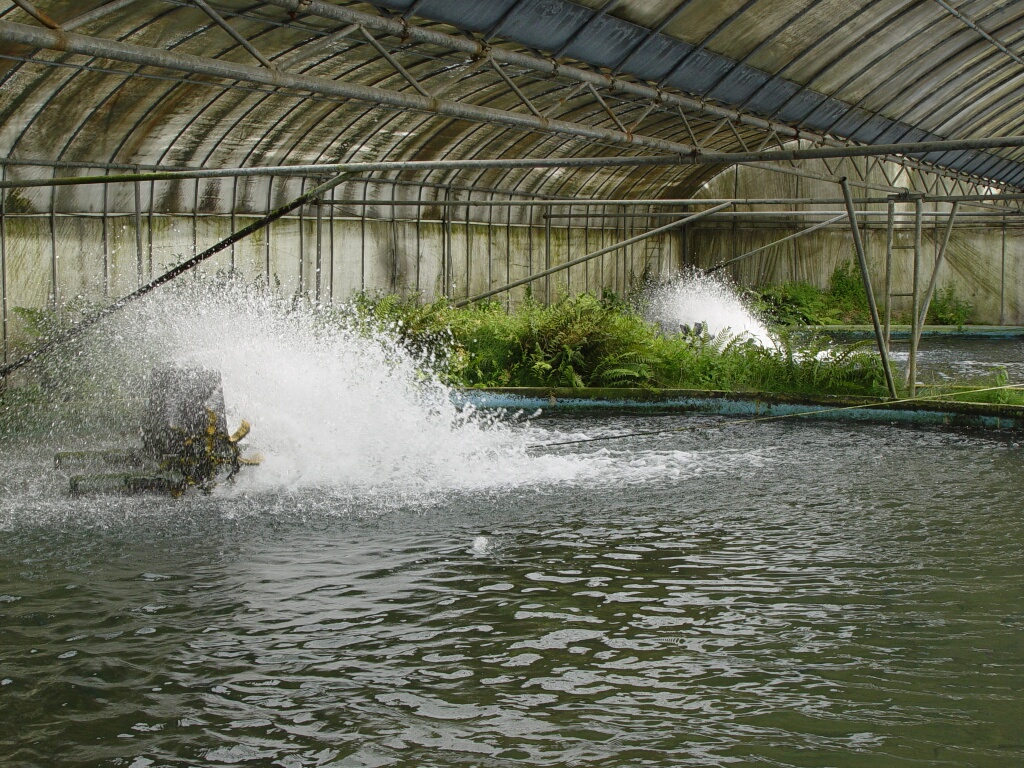
Japanese aquafeed producer Feed One says a farm trial has shown that eels can grow on a feed with no fishmeal at all, a step for one of the most fishmeal-dependent species in aquaculture.
Conventional eel feeds contain around 70% fishmeal. Besides its nutrition, good fishmeal gives the feed the kneadable texture it needs when mixed with water, and its smell draws eels to eat. That dependence has hurt producers as fishmeal prices rise and supplies swing with fish catches and marine conditions, including El Niño.
Working with eel farmers in Kyushu, Feed One compared its fishmeal-free feed, Kamui ZERO, with its 60% fishmeal feed over two months, on about 38,000 eels. The fishmeal-free diet gave lower feed efficiency, but the eels still fed actively, and in both groups they grew to roughly double their starting size, the company said.
To replace what fishmeal does, the formula combines plant proteins such as concentrated soy protein, animal proteins including chicken meal, and shrimp and squid meal to make the feed attractive. Feed One describes it as the industry's first completely fishmeal-free compound feed for eels and plans to launch it commercially this year.
In a separate internal trial, eels on its 40% fishmeal feed had slightly lower feed efficiency than on conventional feed but ate as much or more each day. The company has been cutting fishmeal since 2016, when it made a 60% fishmeal feed, and launched a 40% product in 2023.
Feed One said it will keep working with producers to improve feed conversion and will propose gradual reductions in fishmeal suited to each farm. The work was reported by Amanda Lim.
Photo: USA PD / Wikimedia Commons (public domain)
Source: AgNavigator

Comments
(0)