
Annual funding for three US Farm Bill animal health programmes will rise from $30 million to $233 million from fiscal year 2026, the US Department of Agriculture's Animal and Plant Health Inspection Service (APHIS) announced on 5 November, Michigan Ag Today reported. The extra money was authorised through the 2025 Working Families Tax Cuts Act.
The money goes to the National Animal Disease Preparedness and Response Program (NADPRP), the National Animal Health Laboratory Network (NAHLN) and the National Animal Vaccine and Veterinary Countermeasures Bank (NAVVCB), which together cover prevention, early detection, laboratory diagnosis and stockpiles of vaccines and diagnostics.
"This historic investment gives us the tools we need to protect farmers' and ranchers' herds, their livelihoods, and the rural communities they sustain," said USDA Under Secretary Dudley Hoskins. "Farm security is national security, and with this increased funding, we are strengthening early disease detection, expanding vaccine and diagnostic stockpiles, and backing practical, on-the-ground projects that help producers prepare for and respond to the most serious animal disease threats." USDA says the expanded programmes are meant to stop these threats from gaining a foothold, detect infections earlier and respond more effectively when outbreaks occur.
Up to $80 million in new competitive funding is available through NADPRP for fiscal 2027: $40 million for state and regional preparedness, so that state agriculture departments, animal health officials and regional response bodies can prevent, prepare for, respond to and recover from foreign animal disease outbreaks, and $40 million for projects by livestock producer and veterinary organisations. Both calls opened on 5 November and close on 7 January 2027, with projects expected to start in spring 2027.
The threats in view are New World screwworm, highly pathogenic avian influenza, African swine fever and foot-and-mouth disease, along with emerging ones such as the Asian longhorned tick and Theileria orientalis Ikeda, a tick-borne parasite that causes severe disease in cattle. An outbreak of a foreign animal disease could bring wide movement restrictions, disrupt domestic and export markets, raise costs and threaten farm finances, the report noted; for Michigan, that means protection for cattle, hog and poultry operations.
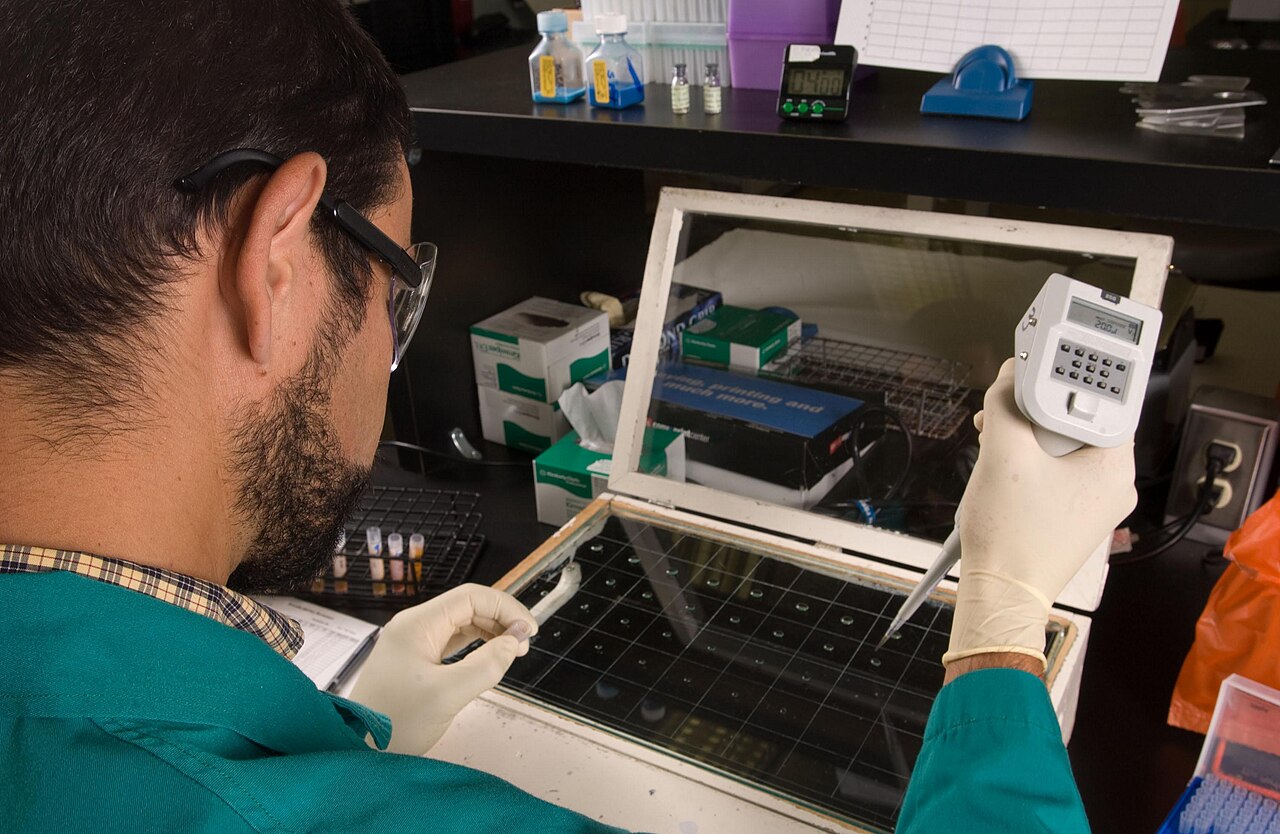
Photo: APHIS.gov / Wikimedia Commons (Public domain). A veterinary microbiologist running a brucellosis test at a state veterinary diagnostic laboratory in Montana.
Source: Michigan Ag Today

Comments
(0)