
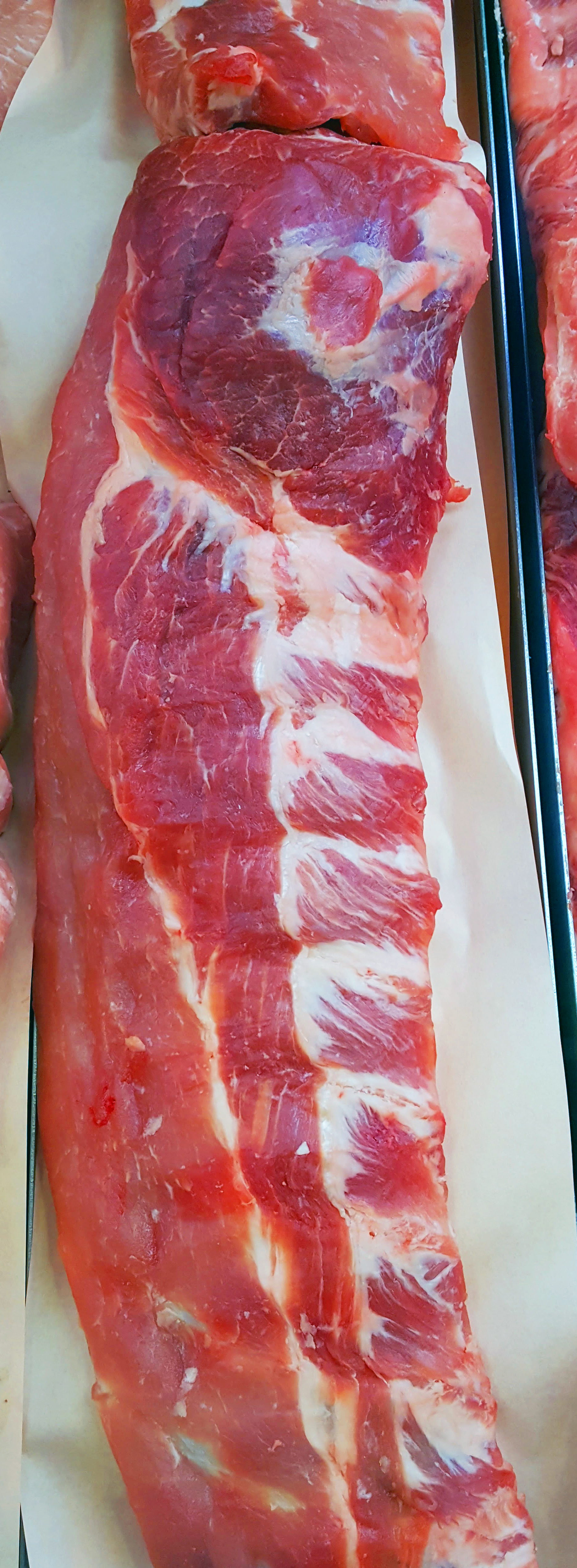
Pork has become the leading U.S. meat export and is projected to stay there for the next decade, the U.S. Department of Agriculture's Economic Research Service (ERS) said in a Chart of Note published on 7 May 2026. The chart shows U.S. pork exports growing through 2035 and remaining higher than exports of broiler chicken and beef. It was prepared by ERS economists Brian Williams, Erik Dohlman and Matthew Miller.
How large pork exports are projected to be
ERS projects U.S. pork exports to increase 8.6 percent, from an expected 7.2 billion pounds in 2026 to 7.8 billion pounds by 2035. By 2029 they are expected to pass the previous record of 7.3 billion pounds, set in 2020.
In 2024, U.S. pork exports surpassed chicken exports for the first time since 1976, and ERS projects that lead to hold through 2035. Pork had already overtaken beef exports in 2004, according to the February 2024 ERS Amber Waves article on which the chart is based.
Across the major categories, the volume of U.S. meat exports is projected to grow through 2035. Rising incomes abroad and a projected weakening of the U.S. dollar are expected to lift foreign demand for American red meat and poultry.
Farm productivity behind the growth
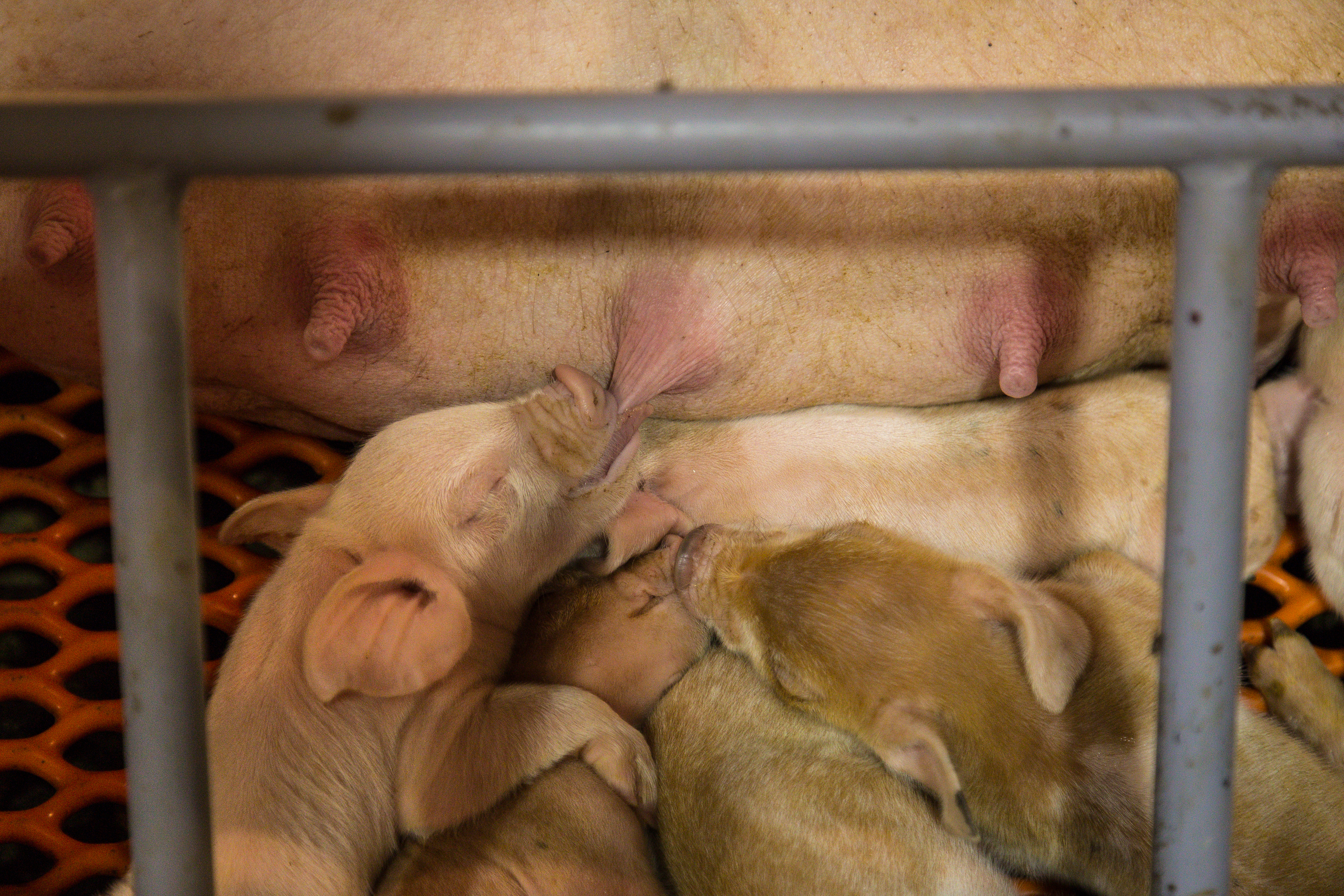
ERS says steady growth in U.S. pork production underlies the continued rise in exports. Three trends work together:
- increasing slaughter weights;
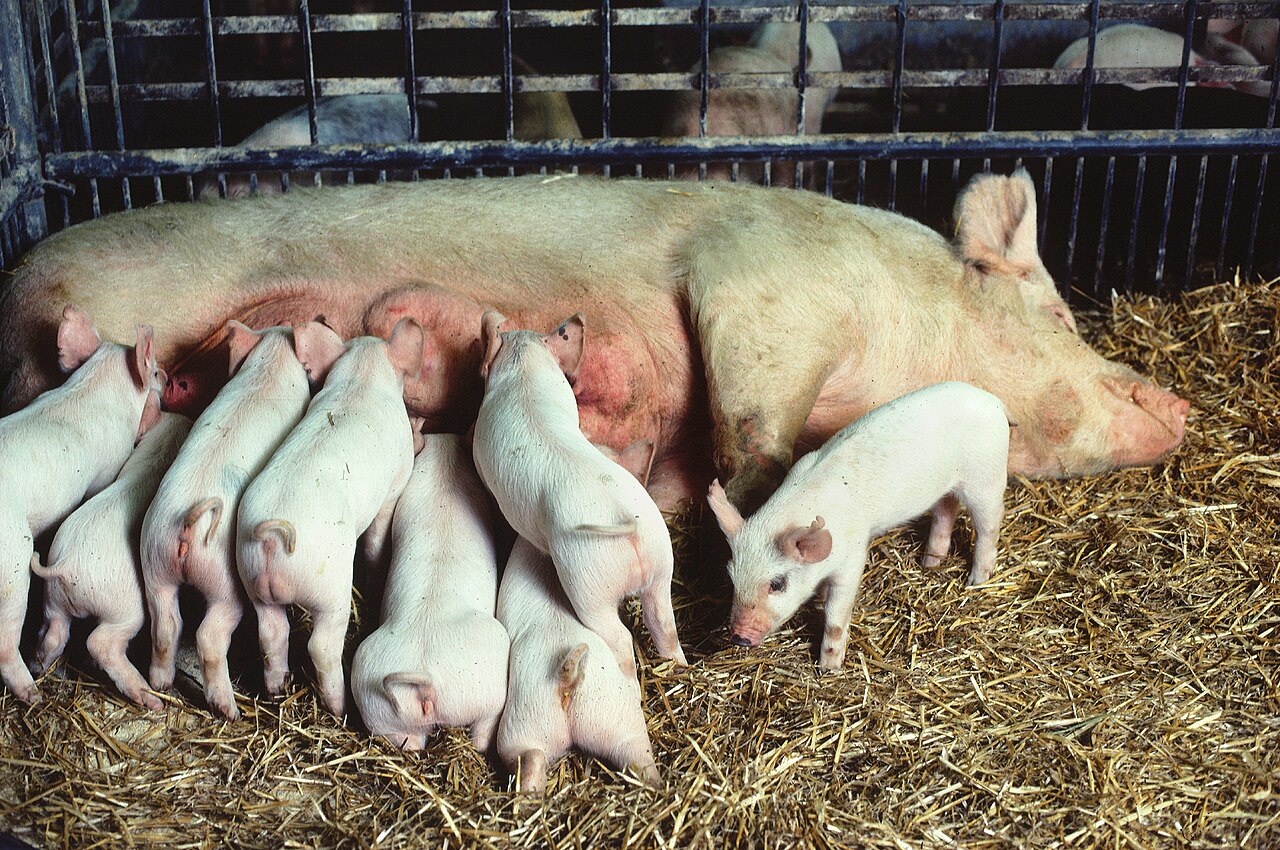
- rising numbers of pigs per litter;
- higher hog inventories.
Productivity gains in the barn, in other words, are turning directly into shipments abroad.
Europe's policies and world competition
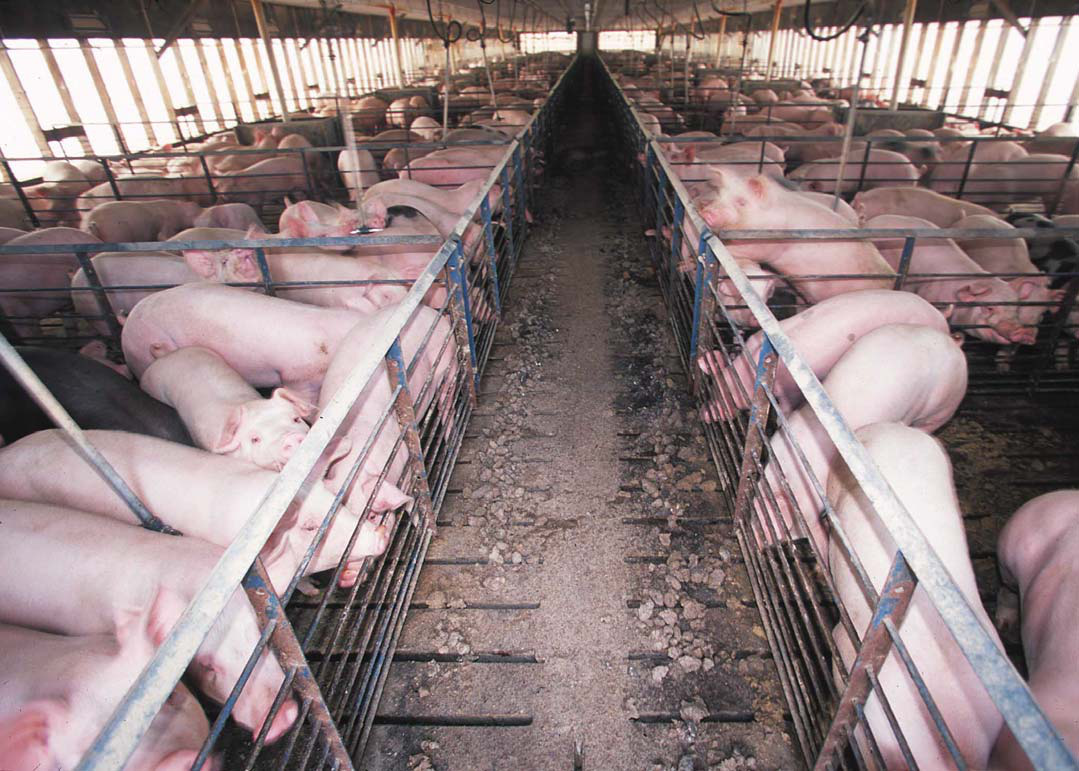
Environmental policies in the European Union are expected to affect the region's pork production and reduce the growth of EU exports, which ERS says will enhance U.S. competitiveness.
The 2020 record came when China's import demand spiked at the height of its African swine fever epidemic. The World Organisation for Animal Health (WOAH) describes African swine fever as a highly contagious viral disease of domestic and wild pigs whose mortality can reach 100 percent, though it is not a risk to human health. China reported its first outbreak in Liaoning province in August 2018, and by April 2019 the virus had been reported in every region of the country, where the pig population was reported to have fallen by almost 100 million from the year before.
What the projection is based on
The chart first appeared in the ERS Amber Waves article U.S. Pork Export Volumes Projected to Surpass Chicken in the Next Decade, in February 2024. That article expected pork exports to outpace chicken in 2028; in the event, it happened in 2024. The chart has since been updated with USDA Agricultural Projections to 2035 (OCE-2026-1), released on 13 February 2026, and the April 2026 World Agricultural Supply and Demand Estimates (WASDE).
Photo: Phil Roeder / Wikimedia Commons (CC BY 2.0)
Sources: USDA Economic Research Service (Chart of Note, 7 May 2026), ERS Amber Waves (February 2024), USDA Agricultural Projections to 2035, World Organisation for Animal Health (WOAH), Wikipedia
Comments
(0)