
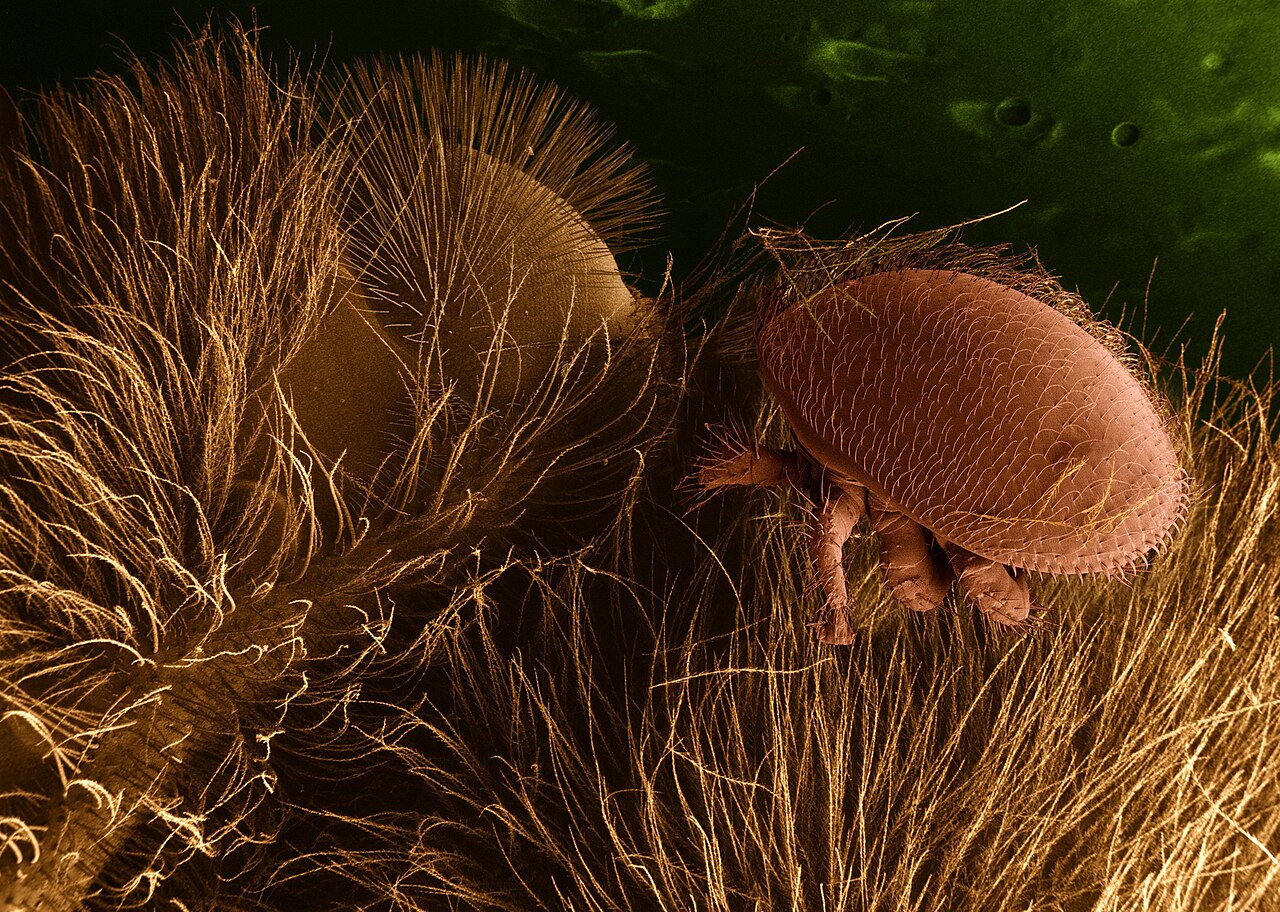
US beekeepers lost 39.9 percent of their managed honeybee colonies between April 2025 and April 2026, according to the national US Beekeeping Survey led by Auburn University with Oregon State University and the Apiary Inspectors of America, American Ag Network reports. That is far better than the record losses of 55.1 percent in 2023-24 and 55.6 percent in 2024-25, but well above the 15 to 20 percent beekeepers consider sustainable.
Steven Coy, president of the American Honey Producers Association, called a 40 percent loss "a crisis in slow motion." Winter losses alone reached 30.3 percent. Backyard keepers with fewer than 50 colonies lost a larger share than commercial operators with more than 500.
Beekeepers are rebuilding: USDA counted 2.84 million colonies on April 1, 2026. But operations with five or more colonies lost 16 percent of their hives from January to March and another 11 percent from April to June. Varroa mites affected 21.8 percent of colonies in the first quarter and 26.3 percent in the second, the top stressor reported to USDA, though losses with signs of colony collapse disorder fell 18 percent from a year earlier.
The mites have also become harder to kill. In June 2025 USDA researchers linked the widespread collapses to viruses spread by varroa and found resistance to amitraz, a widely used miticide, in nearly all the mites they collected. By then more than 60 percent of commercial colonies, about 1.7 million, had been lost since the previous summer, at an estimated cost of $600 million. Bee-pollinated crops are worth more than $20 billion a year in the United States and $387 billion worldwide.
To help, the Honey Bee Health Coalition has updated its free online Varroa Management Decision Tool. It turns product labels into a few questions, such as whether mite counts exceed the treatment threshold, whether brood is present, whether honey supers are on, whether the keeper prefers synthetic or naturally derived treatments and how the colony population is changing. The coalition advises monitoring mite levels regularly and rotating products and cultural controls to slow resistance. "Varroa mite control needs to change seasonally, just as our bee management changes with the seasons," said Dewey Caron of the Oregon Master Beekeeper Program.
Photo: Eric Erbe, Christopher Pooley (USDA ARS) / Wikimedia Commons (public domain)
Source: American Ag Network
Comments
(0)