
Developing countries need an estimated $305 billion a year to adapt to climate change, but even a tripling of international public adaptation finance could meet only 20-29% of their requirements by 2035, according to the United Nations Environment Programme's Adaptation Gap Report 2026, Down To Earth reports.
The annual requirement could rise to $420 billion by 2035 after inflation. The estimate largely covers public and mixed activities; most private-sector needs, which could add another $260 billion a year in the 2030s, are excluded. Least developed countries and small island developing states together need an estimated $49-51 billion a year.
International public adaptation finance from developed to developing countries stood at $28.2 billion in 2024, and another $3.2 billion of private finance was mobilised through public funding. Tripling could raise flows to $85-120 billion a year by 2035, and adding domestic public finance could take the total to $154-189 billion, which still leaves more than half of needs unmet.
Loans made up 55% of finance, or $12.3 billion, while concessional instruments represented 88% of funding to least developed countries and 78% to small island states. Domestic adaptation spending is estimated at $50 billion a year. The report cites Bangladesh, which contributed at least $400 million to its Climate Change Trust Fund between 2010 and 2017-18, including $180 million for adaptation.
The report also questions the quality of the money. Of 111 investments examined across 13 funds and facilities, only 15 had a strong adaptation rationale, 75 treated resilience as a secondary benefit, and 21 had no direct adaptation focus. Between 2016 and 2023, about 29% of international public adaptation finance referred to local implementation, but just 0.17% explicitly mentioned locally led or community-led action.
The Least Developed Countries Group has called for 70% of climate finance to reach local communities by 2030. Kenya's Financing Locally Led Climate Action programme, launched in 2021, is given as an example: by mid-2026 it had supported more than 1,775 climate investments across 45 counties.
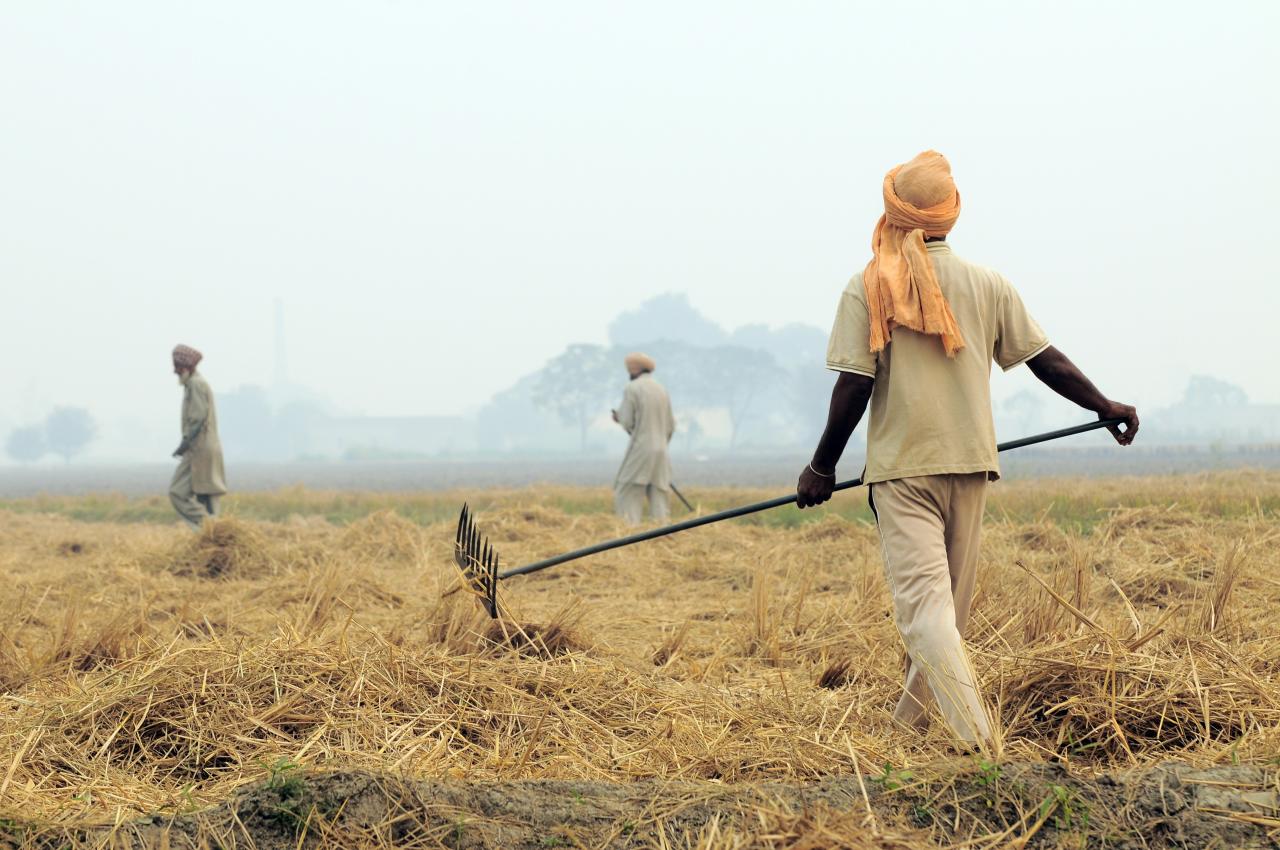
Photo: Department of Foreign Affairs and Trade / Wikimedia Commons (CC BY 2.0)
Source: Down To Earth

Comments
(0)