
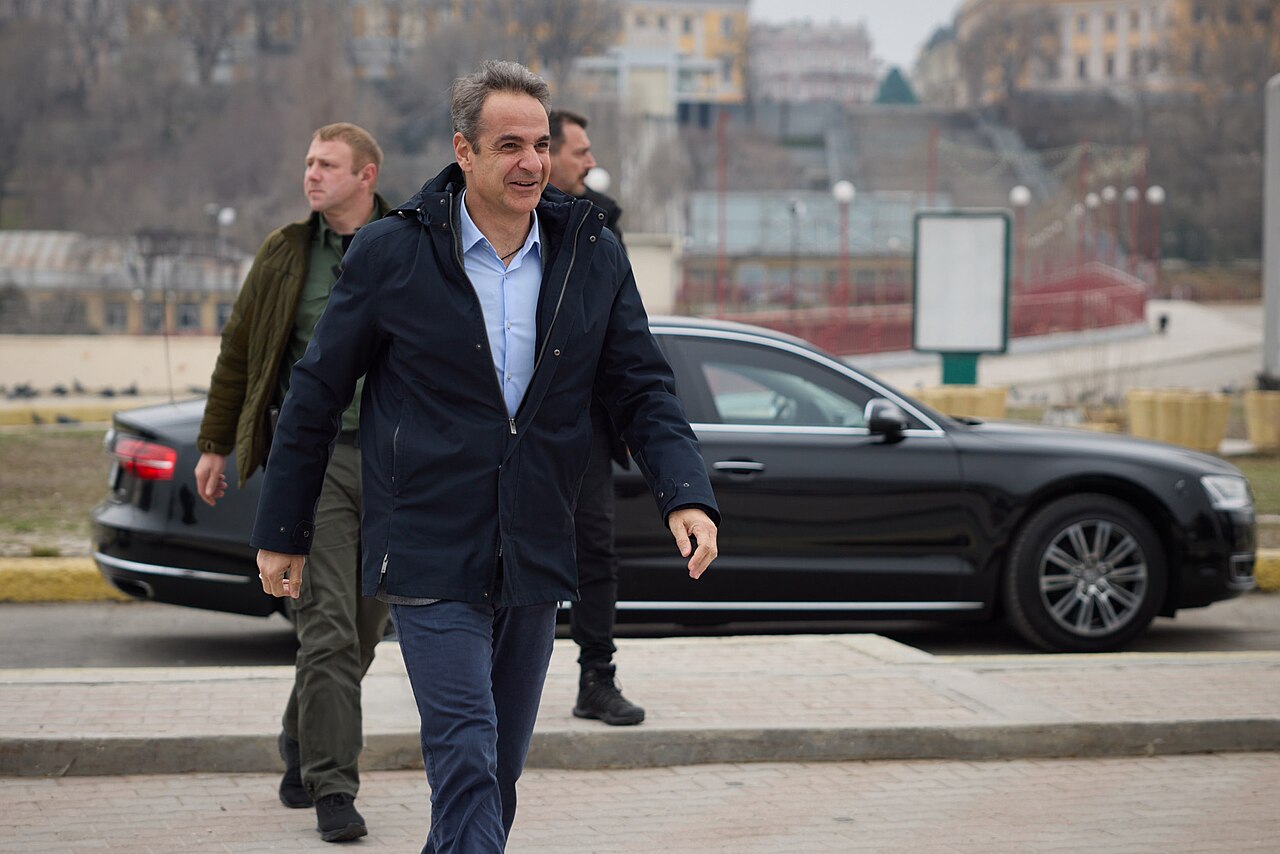
Ukraine is in talks with Turkey, India and Egypt on an arrangement to reopen safe shipping through the Black Sea, after Russian strikes since August cut the country's grain export capacity to 38 percent of its normal volume, President Volodymyr Zelenskyy said in an interview with Bloomberg.
Ukraine's Black Sea ports are its main route for farm exports and can handle up to 40 million tons of grain in a typical marketing season. Shipments have been effectively halted since August by Russian air attacks on port infrastructure and commercial vessels.
Under the mechanism Zelenskyy described, vessels flying the flags of Turkey, India and Egypt would be allowed to call at both Ukrainian and Russian ports to carry food, on the understanding that neither side's ships would be attacked: one ship to a Ukrainian port, another to a Russian one. He said the three countries have repeatedly appealed to Moscow, but Russia has rejected the proposal and no agreement has been reached.
Zelenskyy also said Ukraine has asked the European Union to reinstate the "solidarity lanes", the rail and road export routes set up after the 2022 invasion. "We cannot manage this volume of shipments by rail," he said.
All three proposed guarantors are major buyers of Ukrainian or Russian grain, or both, and none is formally aligned with either side of the war in a way that would make vessels under their flags an obvious military target. Accepting the arrangement would mean Russia tacitly allowing food shipments from a country it is bombing; for Ukraine it would restore an export route that rail and European land corridors cannot fully replace.
For now, according to Zelenskyy, Russia has not agreed to any of the options, and the route remains closed to most of Ukraine's normal grain trade.
Photo: President Of Ukraine / Wikimedia Commons (CC0)
Source: Global Agriculture

Comments
(0)