
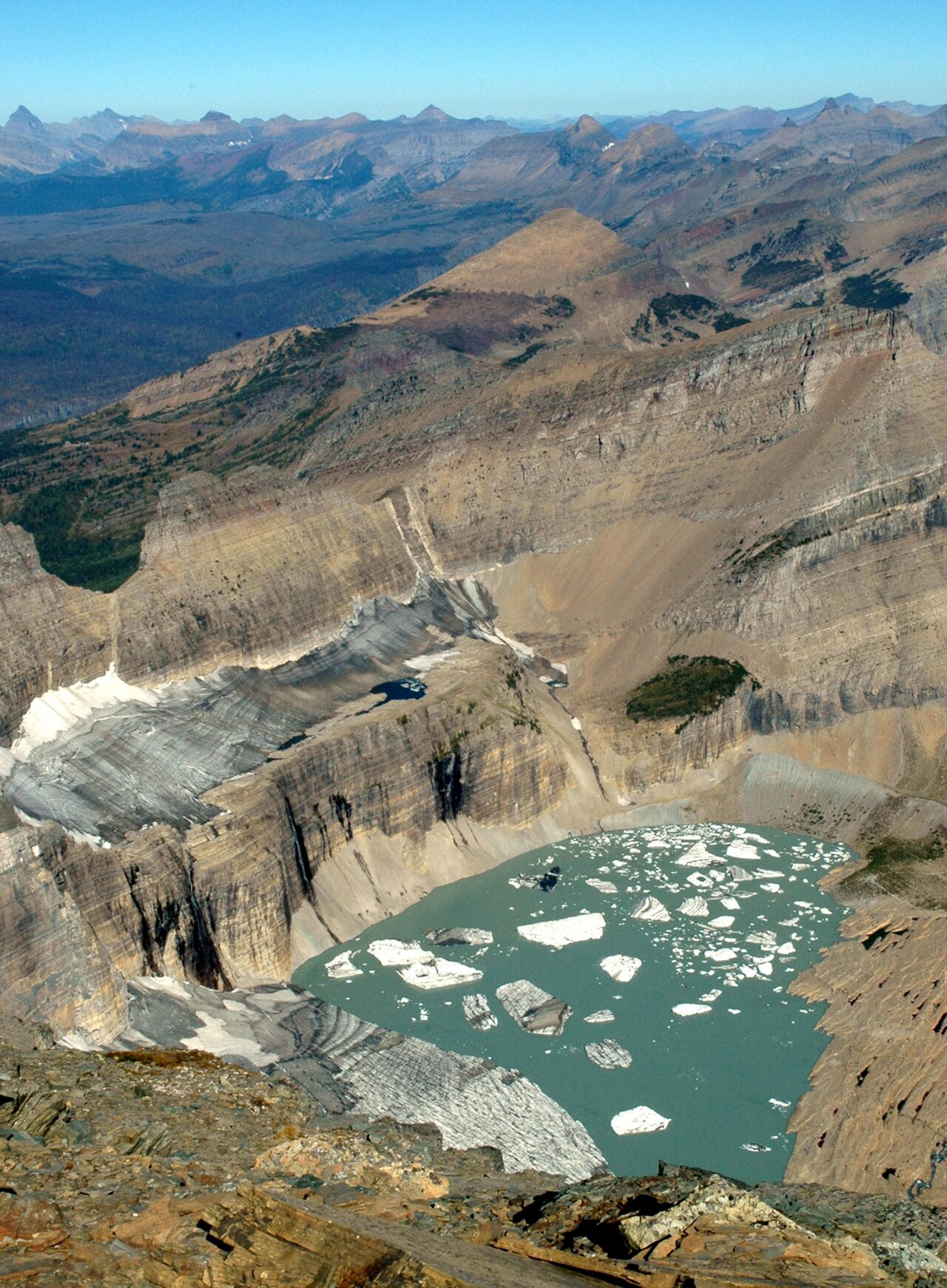
Overshooting the 1.5C limit of the Paris Agreement carries rapidly escalating risks of irreversible damage to oceans, glaciers and permafrost, and its economic and social costs are greater than previously understood, according to the 10 New Insights in Climate Science report published on 6 October, Euronews reported. The report, by more than 70 scientists from nearly 30 countries, is produced by Future Earth, The Earth League and the World Climate Research Programme.
"1.5C is a limit that we cross at our own risk," said Johan Rockstrom, director of the Potsdam Institute for Climate Impact Research and a member of the report's editorial board. The oceans keep absorbing record heat: global sea surface temperatures reached 21.1C in August, the hottest ever recorded, and because heat takes decades to reach the deep ocean, today's emissions lock in further warming and sea level rise. Some sea level rise is already irreversible, the report says, though how much still depends on how fast emissions fall.
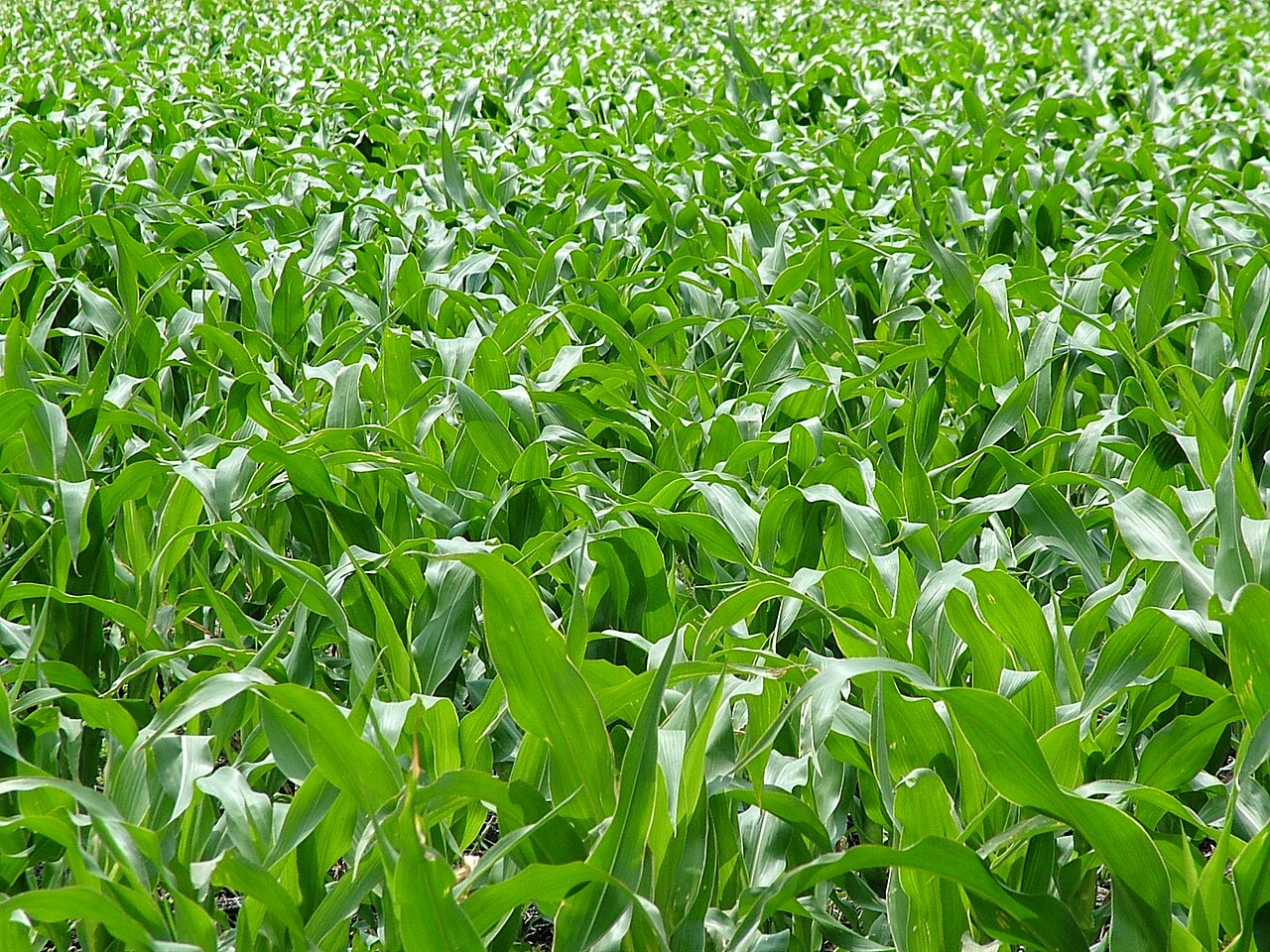
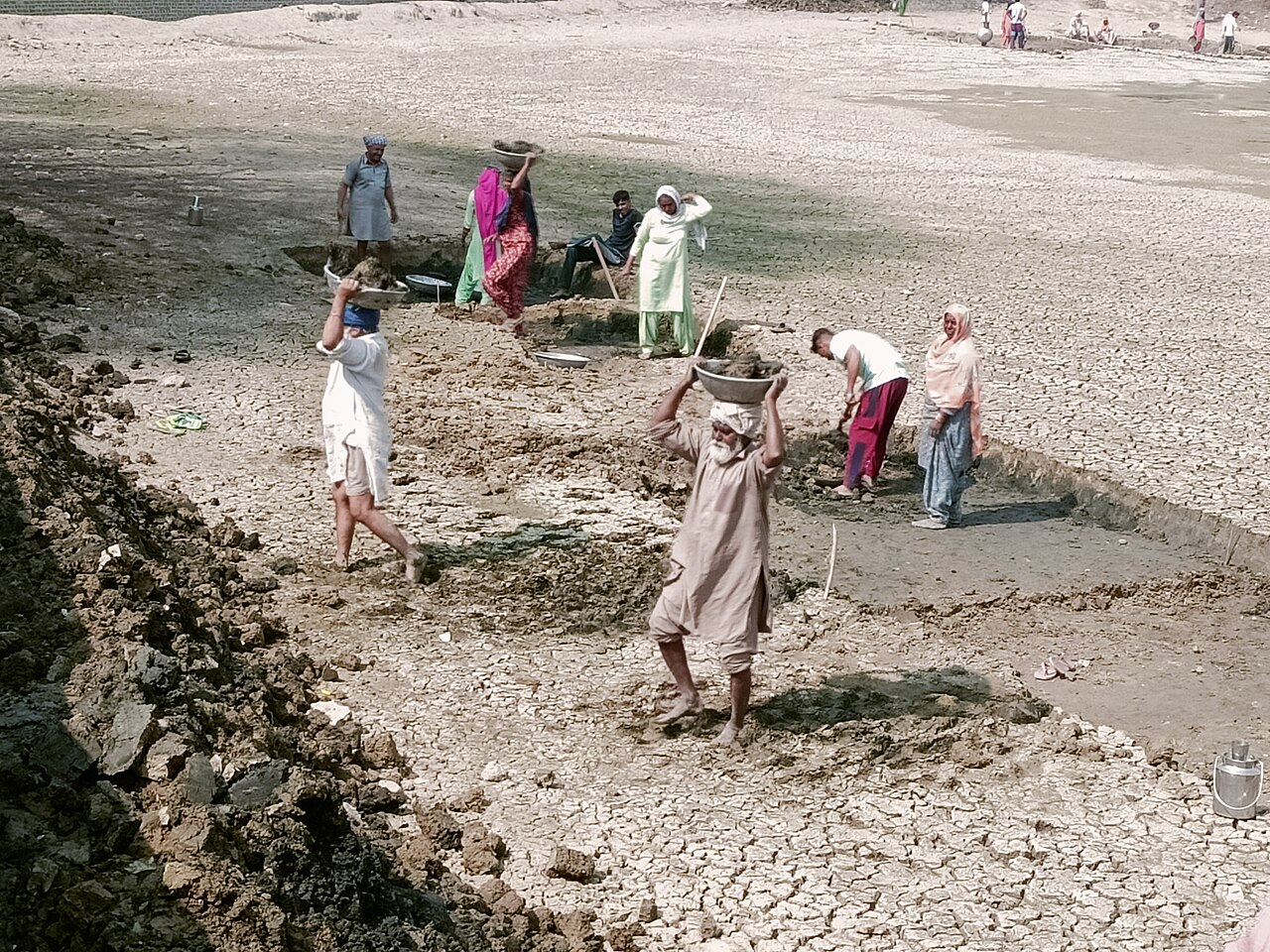
For farming, two findings stand out. Continental drying, the long-term loss of freshwater availability and storage on land, is accelerating and threatens water security, ecosystems and food production; the authors urge integrated water resource management covering the whole water cycle and nature-based solutions such as restoring wetlands, rivers and forests to keep water on land. And food systems still drive climate change: food and agriculture produce about one-third of global greenhouse gas emissions, and in the EU animal-sourced foods account for 81% to 86% of food-production emissions while supplying about 32% of calories and 64% of protein. The report says a shift to more plant-rich diets can benefit climate, biodiversity and health but must be done carefully and fairly.
The report also finds the social cost of carbon may be up to four times higher with up-to-date models, that attribution science can now link damage to specific emitters, strengthening claims for compensation, and that climate clubs with carbon border taxes can speed industrial decarbonisation but may penalise developing countries unless paired with technical and financial support.
It warns that obstruction now relies less on denial than on greenwashing and disinformation, and that wars and energy-security fears are making the energy transition more unequal, with the most vulnerable hit hardest by price spikes. The window for action is narrowing but still open, the authors say.
Photo: Blase Reardon, USGS / Wikimedia Commons (Public domain)
Source: Euronews

Comments
(0)