
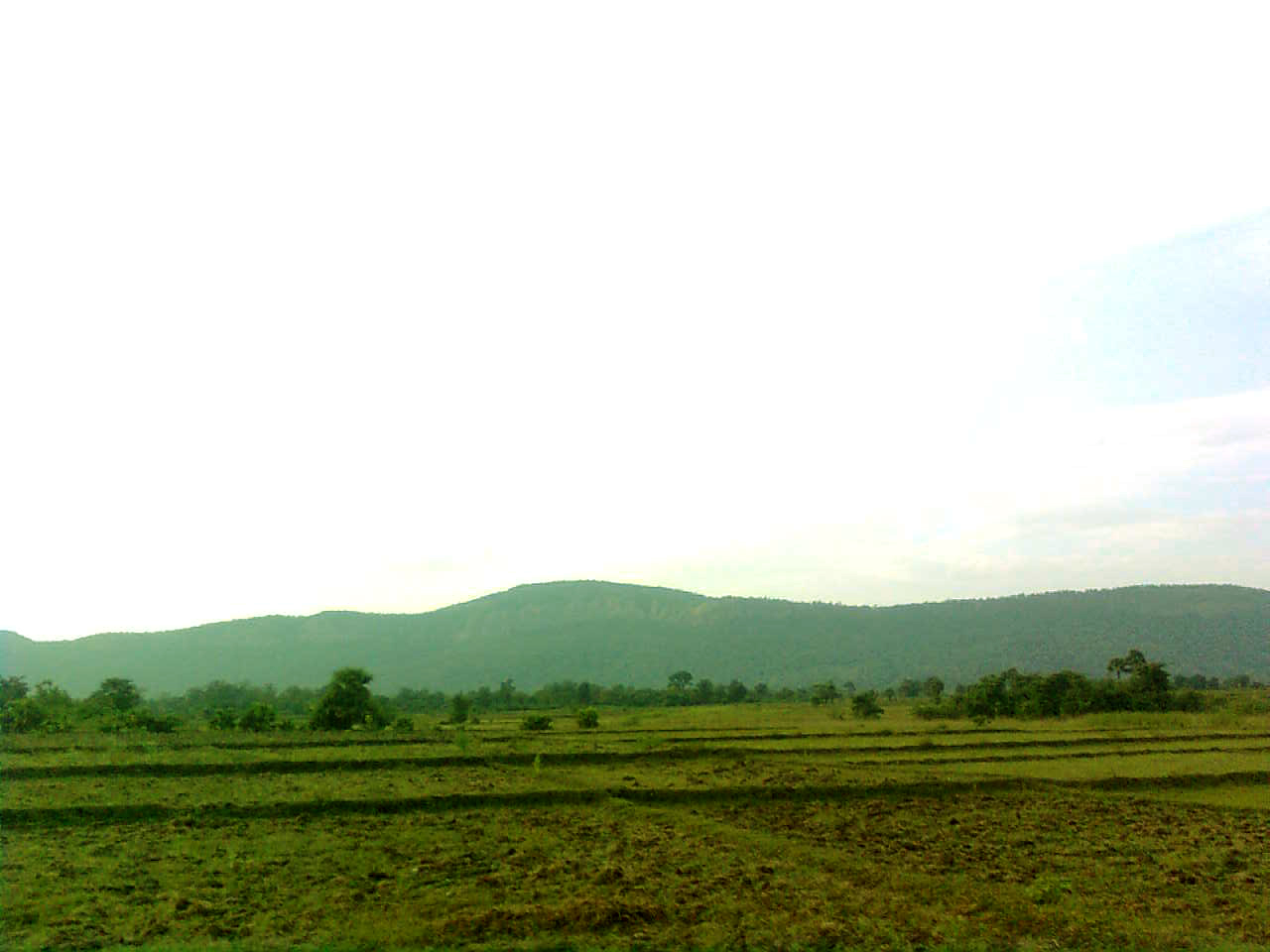
Telangana Chief Minister Revanth Reddy has asked farmers to forgo one seasonal paddy crop so the state can secure drinking water, as what scientists describe as a super El Niño tightens a drought, Down To Earth reported. "Farmers have always answered the prayers of people. This time, we will need their help in securing drinking water supply for Telangana," Reddy said on 15 October.
By mid-October the state had a rainfall deficit of nearly 28%, and the government assesses that drinking water supply is threatened for the next eight to ten months. Reservoirs hold just 200 thousand million cubic feet (TMC) of water, against a normal 462 TMC for the time of year. Reddy's plan is to stretch that water until the next monsoon, which means agriculture, the biggest user, must give way.
Farmers have already left an estimated 1.3 million hectares unplanted with paddy, but paddy stands on 5.3 million hectares, and water scarcity could affect those standing crops.
The World Meteorological Organization says the El Niño could become the strongest since records began in 1950, peaking around December. Zeke Hausfather of Berkeley Earth said Niño 3.4 sea-surface anomalies have reached 3.4C above normal, higher than any previous El Niño on record. Indian states have identified vulnerable districts and several have declared drought to start relief.
Down To Earth's Richard Mahapatra notes that past super El Niños of 1982-83, 1997-98 and 2015-16 are no reliable template on a warmer planet, but that the economic toll is certain to be large: the 1997-98 event cut global GDP by $5.7 trillion.
Photo: Adityamadhav83 / Wikimedia Commons (CC BY-SA 3.0)
Source: Down To Earth

Comments
(0)