
Syngenta has entered a strategic partnership with BRAIN Biotech AG to develop agricultural biologicals, combining its own biologicals research with BRAIN Biotech's synthetic biology expertise and microbial library, AgNavigator reported. The partners aim at next-generation biological products that improve plant health, resilience and productivity.
The deal reflects a shift in how crop input companies hunt for biologicals. For years they have screened naturally occurring microorganisms for farm uses; the collaboration points to engineering and optimising microbes so that they perform more consistently and can be produced at commercial scale.
A central piece is access to the BRAIN Biotech BioArchive, a proprietary collection of tens of thousands of microbial strains that can be screened for specific uses. BRAIN Biotech identifies, develops and optimises strains for producing enzymes and biomolecules, work it markets under its BRAINBiocatalysts brand. For Syngenta, the archive could speed up the discovery of new candidates as the big input makers race to widen their ranges of biostimulants, biological crop protection and other nature-based products.
Finding a microbe is only the start, BRAIN Biotech said. "Identifying a promising microorganism is only part of the journey towards a commercially viable product," a spokesperson told AgNavigator. "The next challenge is to optimise it for reliable, efficient and scalable industrial production." Process robustness, growth performance and production yields are among the traits that matter, depending on the application.
"We're excited to work with BRAIN Biotech to push back the boundaries of science in agricultural biologicals," said Jérôme Cassayre, head of biologicals research at Syngenta.
The companies are saying little else. Asked whether the work would focus on biocontrols, biostimulants, nitrogen-fixing microbes or stress tolerance, BRAIN Biotech said the scope had been kept deliberately broad, "focused on the development of innovative biological solutions for more sustainable agriculture", and declined to name product categories, target markets or priorities. It was also too early to give development milestones or launch dates, the spokesperson said, noting that biological products pass through a complex, multi-stage process shaped by technical and regulatory requirements, and that decisions on development and commercialisation sit mainly with Syngenta.
The story was reported by Oliver Morrison for AgNavigator.
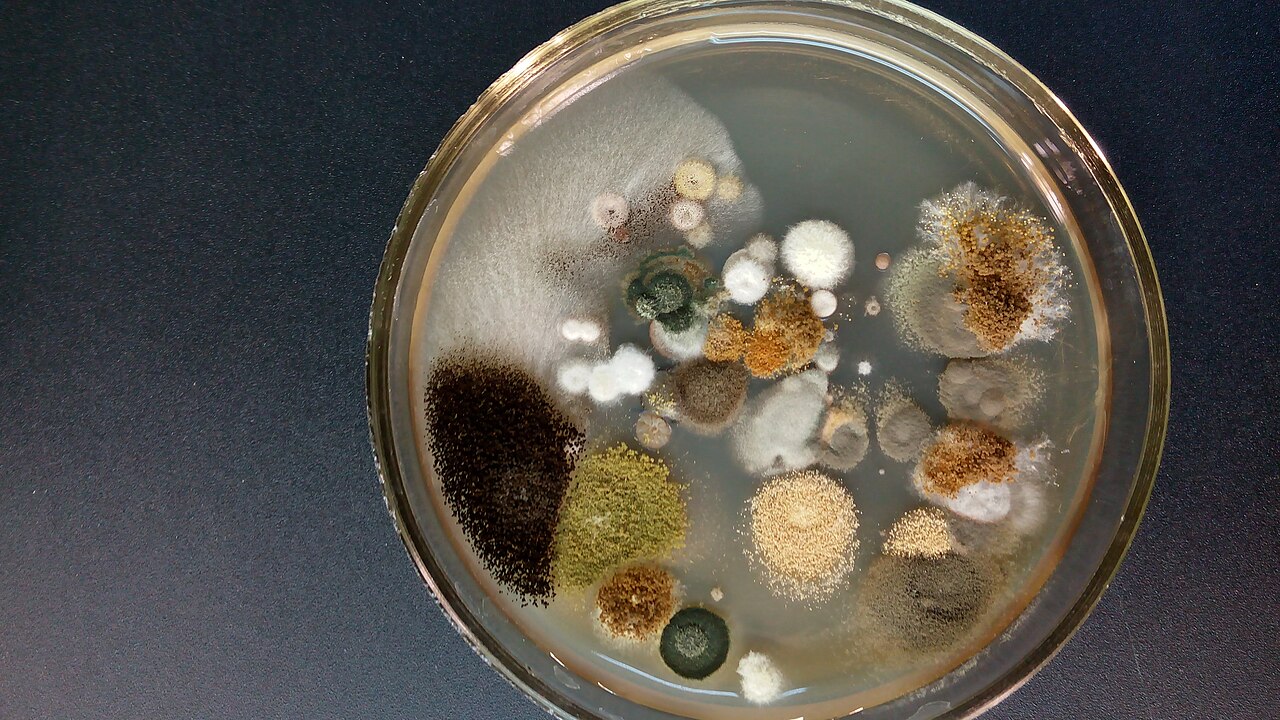
Photo: Oksana Lastochkina / Wikimedia Commons (CC BY-SA 4.0). A variety of soil microorganisms growing in a Petri dish.
Source: AgNavigator

Comments
(0)