
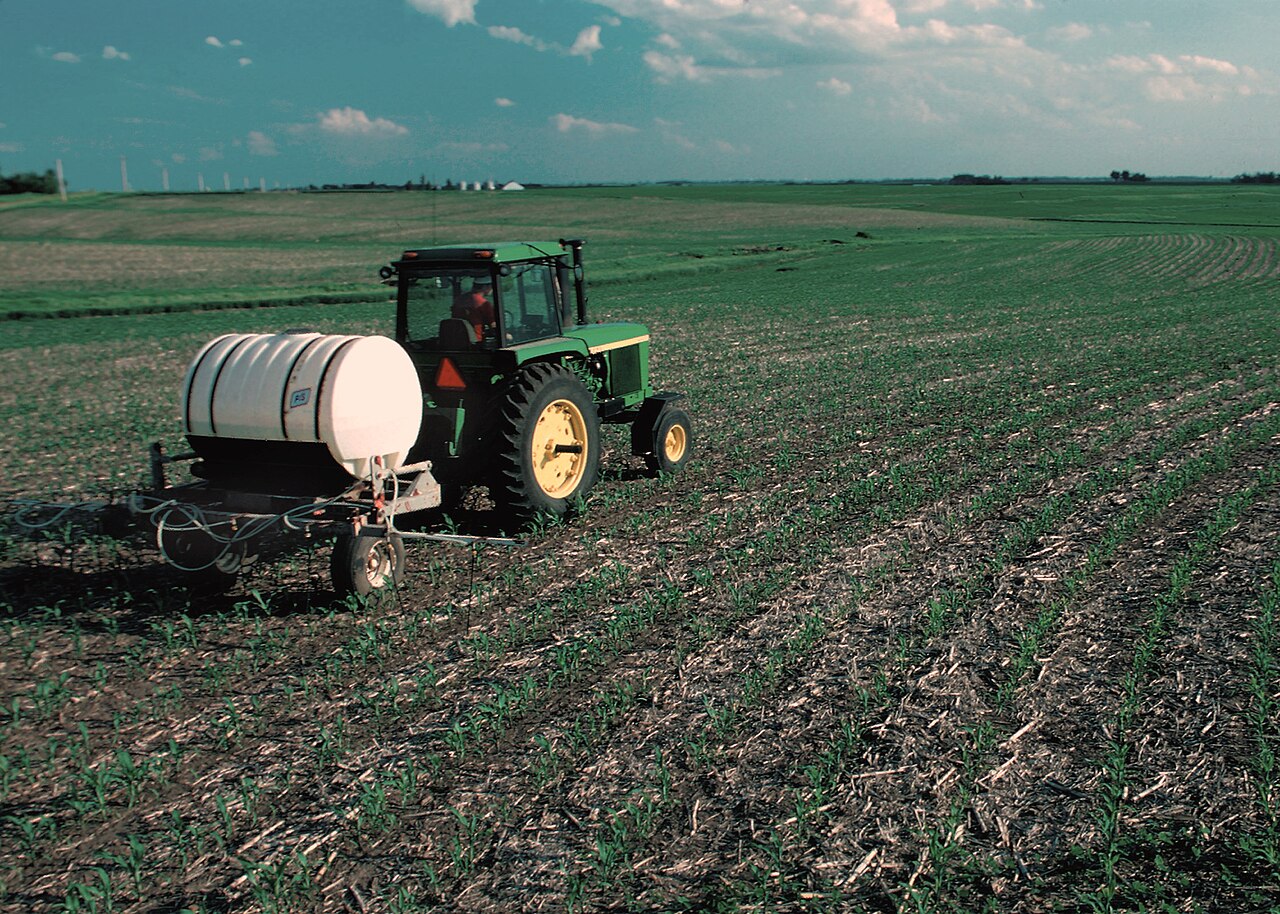
Switch Bioworks, a California startup that engineers nitrogen-fixing microbes to colonise plant roots before they start producing ammonia several weeks into the growing season, has entered a strategic collaboration with Bayer Crop Science, AgFunderNews reports.
Several companies have engineered microbes to make nitrogen fertilizer, but Switch says such strains often struggle to establish on roots, while those that do establish often make too little ammonia to be worth much to growers. Switch's microbes first compete with the native soil microbiome and settle on the roots; then a genetic switch turns on ammonia production. The company has not disclosed the trigger, but says it responds to a change in the soil environment after several weeks and needs no action by the farmer.
In grow-room studies the switchable strains produced five times more nitrogen than "always-on" control strains. They are in field trials on corn across the Midwest, approved by USDA and the EPA, and Switch has secured approval for field release in Brazil from the National Technical Biosafety Commission. Founder and chief executive Tim Schnabel said there were early signals from walking the plots and from drone data on leaf nitrogen, and that the switches had been shown to turn on in the field. But the trials study colonisation and switching across strains and are not designed to show fertilizer replacement or yield in their first year, he said.
At first the collaboration will pair Switch's best strains with a range of Bayer's leading hybrids. Bayer, which has worked on fertilizer-producing microbes through Joyn Bio, its joint venture with Ginkgo Bioworks, said it brings product development, formulation, field testing, commercialisation and crop genetics. "Biological nitrogen fixation has been somewhat of a holy grail, and solving it may need a systems approach including strain stacking and trait stacking," Schnabel said.
Switch is aiming to commercialise within two to three years. Replacing 25% of nitrogen fertilizer while keeping yields would be a major win, Schnabel said, with biology's likely upper limit around 50%. The business case rests on supplying nitrogen more cheaply with a small dose of microbes applied in-furrow, and has sharpened as the war on Iran has squeezed the fertilizer market. "Farmers have paper thin margins, so even just $20 to $30 in savings per acre on fertilizer would be a huge deal," he said.
Photo: Lynn Betts / Wikimedia Commons (Public domain)
Source: AgFunderNews



Comments
(0)