
Sugarcane should be counted as one of India's climate solutions, not just a sweetener crop, argues Deepak Ballani, director general of the Indian Sugar & Bio-energy Manufacturers Association (ISMA), in an opinion column published by Rural Voice on 9 November. The crop captures carbon dioxide as it grows, he writes, and almost every part of it can be turned into food, fuel or energy.
His case starts with ethanol. Cane juice and syrup give sugar or ethanol, and molasses, a by-product of sugar making, is another ethanol feedstock. India has reached its E20 blending milestone, and the Ethanol Blended Petrol programme is estimated to have cut 952 lakh tonnes of carbon dioxide emissions. A study commissioned by ISMA puts the life-cycle carbon intensity of Indian cane ethanol at about 17.21 gCO2e per megajoule.
Then come the residues. Bagasse, the fibre left after crushing, fuels mills' combined heat and power and lets them sell surplus electricity to the grid; it can also be pelleted and co-fired in coal plants, with a life-cycle carbon intensity as low as 2.176 gCO2e/MJ in an assessment by Wageningen Food & Biobased Research. Carbon dioxide from fermentation can be captured, and Brazilian mills have purified it to 99.90% for dry ice and fizzy drinks. Spent wash and press mud can feed compressed biogas plants, and molasses can yield potash that goes back to the fields. Cane ethanol can also become alcohol-to-jet aviation fuel, with a reported carbon intensity of about 21.2 gCO2e/MJ against an international benchmark of 24.1.
The distinction he draws is between biogenic and fossil carbon. Burning ethanol or bagasse releases carbon dioxide, he acknowledges, but carbon the cane took from the air recently and the next crop can take up again; coal, oil and gas release carbon locked away for millions of years. That difference, he argues, should be judged on a full life-cycle basis that counts cultivation, land-use change, processing, transport, methane and other emissions, and carbon capture where used.
His policy ask is about measurement. Brazil's RenovaBio issues decarbonisation credits according to a producer's certified carbon intensity, and the EU's Union Database tracks renewable fuels and their raw materials to prevent double counting. India's Carbon Credit Trading Scheme has approved methodologies for renewable power, hydrogen, energy efficiency, methane recovery and afforestation, but as of July 2026 none for sugarcane ethanol carbon intensity. Ballani says India should consider adding a biofuel-production methodology, pointing to the UN's CDM methodology ACM0017 as a reference, and build the measurement, verification and traceability that would let a cane biorefinery's carbon performance be recognised by markets and regulators.
The views are the author's. ISMA represents India's sugar and bioenergy producers.
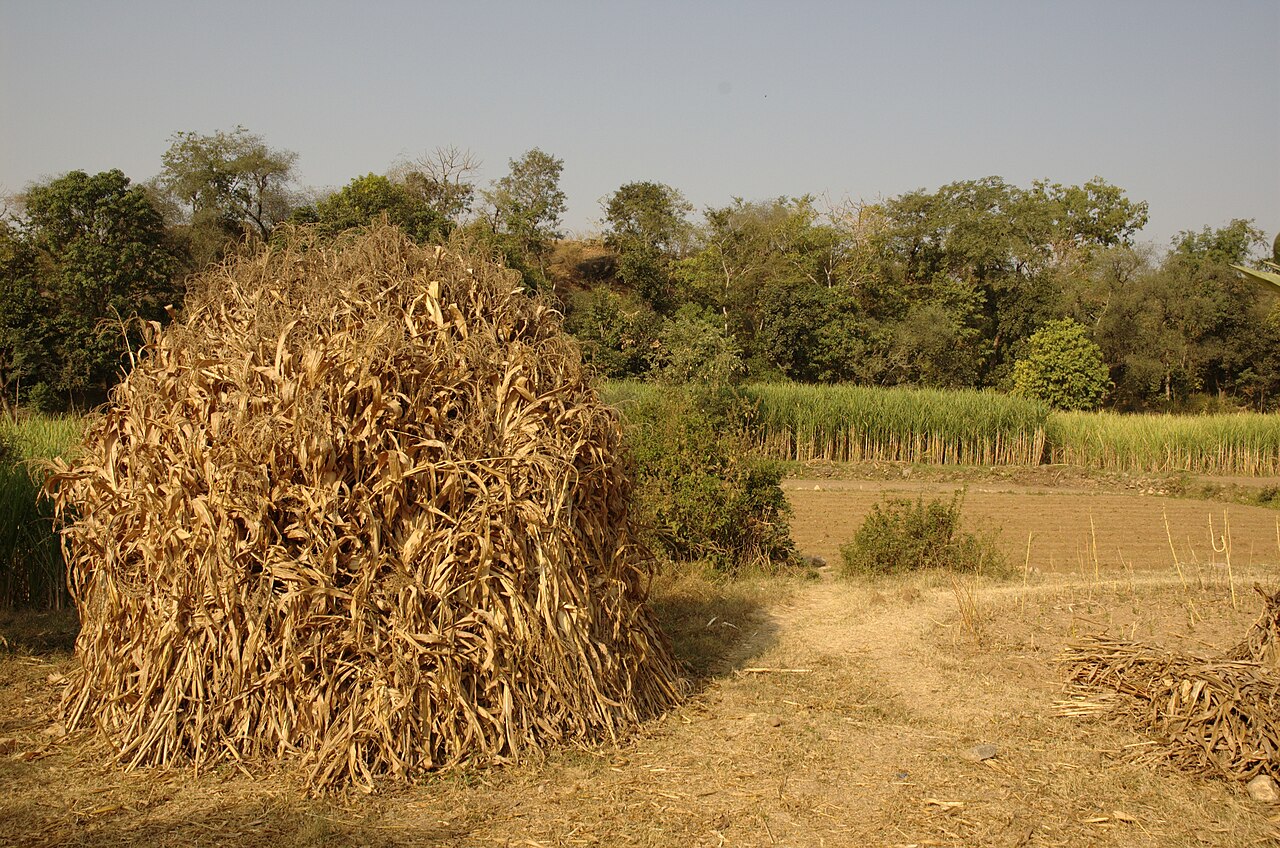
Photo: Honza Soukup / Wikimedia Commons (CC BY 2.0). Ripe sugarcane on a farm in Rajasthan, India.
Source: Rural Voice


Comments
(0)