
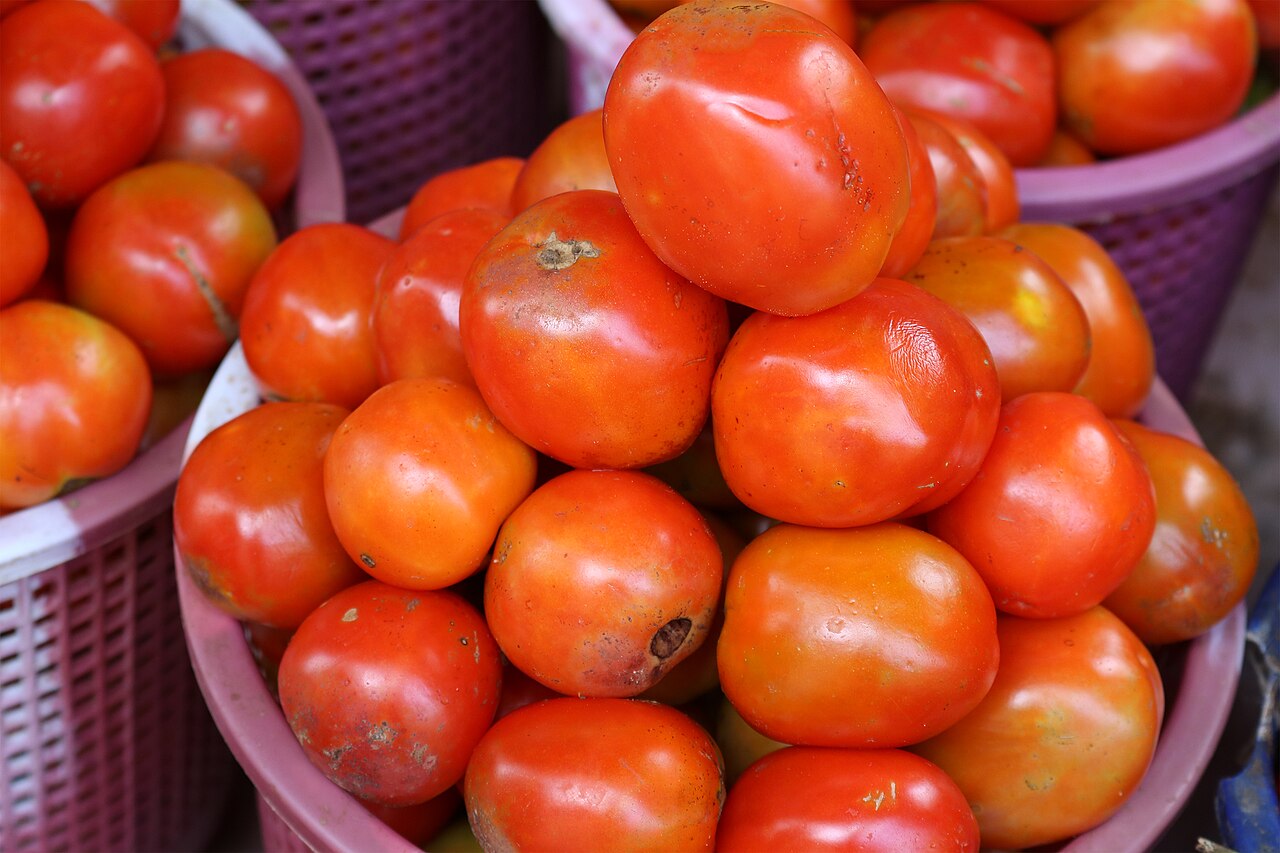
Farmers in the Global South lose more than a quarter of many foods between the field and the market, and simple storage, drying, packaging and cooling could bring those losses down sharply, according to a review of 324 studies by researchers at North-West University, the University of Johannesburg, Nigeria's Oyo State College of Agriculture and Technology and the University of Maryland Eastern Shore. They set out their findings in The Conversation, republished by Food for Mzansi.
Without interventions, the estimated losses were about 27.7% of cereals, 35.1% of vegetables, 25.8% of fruits and 42.9% of roots and tubers. With measures such as better harvesting and handling, hermetic storage, cold-chain infrastructure, improved packaging and better processing and transport, the figures fell to about 8.2%, 7.3%, 6.2% and 11.5% respectively.
Losses happen at every stage, from harvesting and handling to transport, storage, processing and marketing, and rarely have a single cause, the authors write. Poor roads, inadequate warehouses, limited cold storage and inefficient transport expose food to damage and spoilage; poor drying, packaging and handling add to it; and heat, excess moisture, floods and droughts speed up deterioration.
The evidence itself is patchy. Studies measure losses in different ways, on different crops and at different points in the value chain, and research has concentrated on storage losses in maize, rice and pulses, leaving gaps for fruit, vegetables, roots and tubers and animal products. The authors call for standardised, crop- and region-specific measurement, gathered through farm and household surveys, field measurement and market assessments, so governments know where to invest.
Not every answer needs to be high-tech, they argue. Airtight hermetic storage, solar drying, better packaging and low-cost cooling can sit alongside traditional drying, smoking, salting and fermentation, and spread best through demonstrations, extension services, cooperatives and local training. Because many smallholders cannot afford the equipment, the authors propose targeted subsidies, affordable loans, grants and risk-sharing, and say women, who do much of the post-harvest handling, should be included in technology design, training and finance.
Funding, they add, should move beyond one-off storage or processing schemes to programmes that combine technology, training, finance, market access and maintenance across whole value chains. "Feeding a growing population is not only about producing more food. It's also about losing less of what farmers already produce," they conclude.
The article was written by Abeeb Babatunde Omotoso, Abiodun Olusola Omotayo, Adeyemi Oladapo Aremu and Olaniyi Fawole and first published by The Conversation.
Photo: Blossom Ozurumba / Wikimedia Commons (CC BY-SA 4.0)
Source: Food for Mzansi


Comments
(0)