
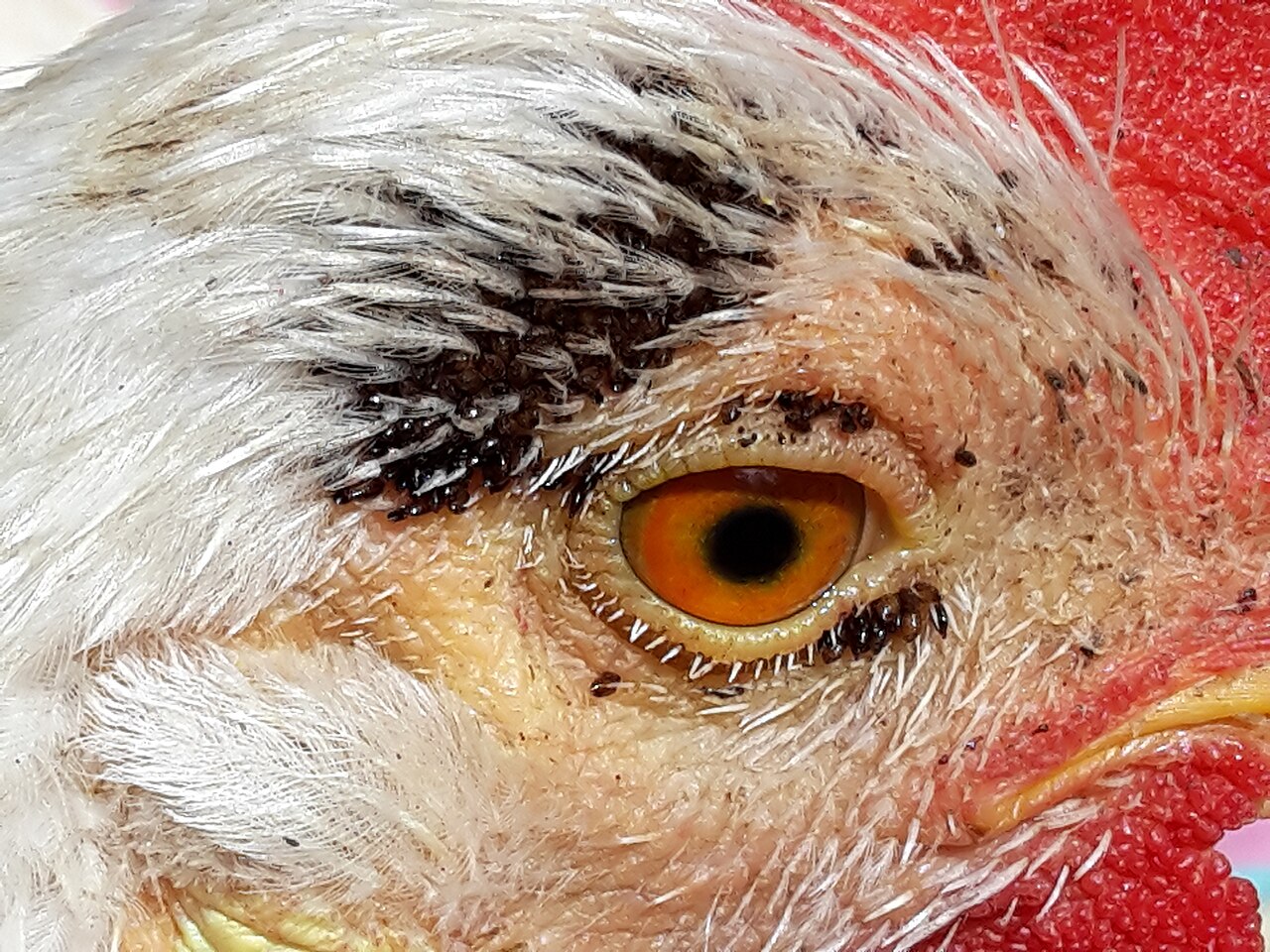
Sticktight fleas and poultry mites can weaken a flock through blood loss, cut egg production and, in severe cases, kill birds, farmers and an animal scientist told Food For Mzansi. Spotting the signs early and keeping poultry housing clean are the main defences.
Mphatso Sithole, founder of Mphatso Poultry in Dobha Village, Kwaggafontein, Mpumalanga, noticed in his first year of farming that his chickens scratched themselves excessively, became less active and laid fewer eggs; his own skin itched after a few minutes in the coop. He warns that products meant for other uses can harm chickens if they are applied wrongly. Only treatments approved for poultry should be used, following the label, with veterinary advice where needed.
Xolelwa Mthetho, founder of Kwande Poultry Farm in KwaNdungwana, Cofimvaba, in the Eastern Cape, saw what mites can do during in-service training in 2024: broken eggs, falling production and more deaths. Mites feed on blood, she says, causing stress, lower feed intake, pale combs and restlessness, and in laying hens fewer eggs, poor shells and more breakages. Her warning is about new birds: a farmer can follow every vaccination schedule, but buying a batch without quarantining it "could be your downfall".
Olwethu Laho, an animal scientist, farmer and owner of Tshitshi SC Farmers Store in Cofimvaba, says sticktight fleas gather on featherless skin: the comb, the wattles, the face and around the eyes. "Female fleas lay eggs that drop into litter or soil, so the problem is rarely only on the bird," he says. Heavy infestations cause anaemia, poor body condition and fewer eggs, and chicks and small birds are most at risk. Numbers often rise in warmer, wetter months, but the parasites can persist all year in some areas.
The advice from all three is practical: inspect birds regularly, especially backyard and free-range flocks that are in contact with soil; remove old litter and bedding; clean and disinfect poultry houses and nesting boxes; keep housing dry and well ventilated; and check new birds for parasites before they join the flock. Treating the house and the litter as well as the bird breaks the parasites' life cycle and reduces the risk of reinfestation. The story was reported by Vateka Halile.
Photo: Erik Streb / Wikimedia Commons (CC BY-SA 3.0)
Source: Food for Mzansi



Comments
(0)