
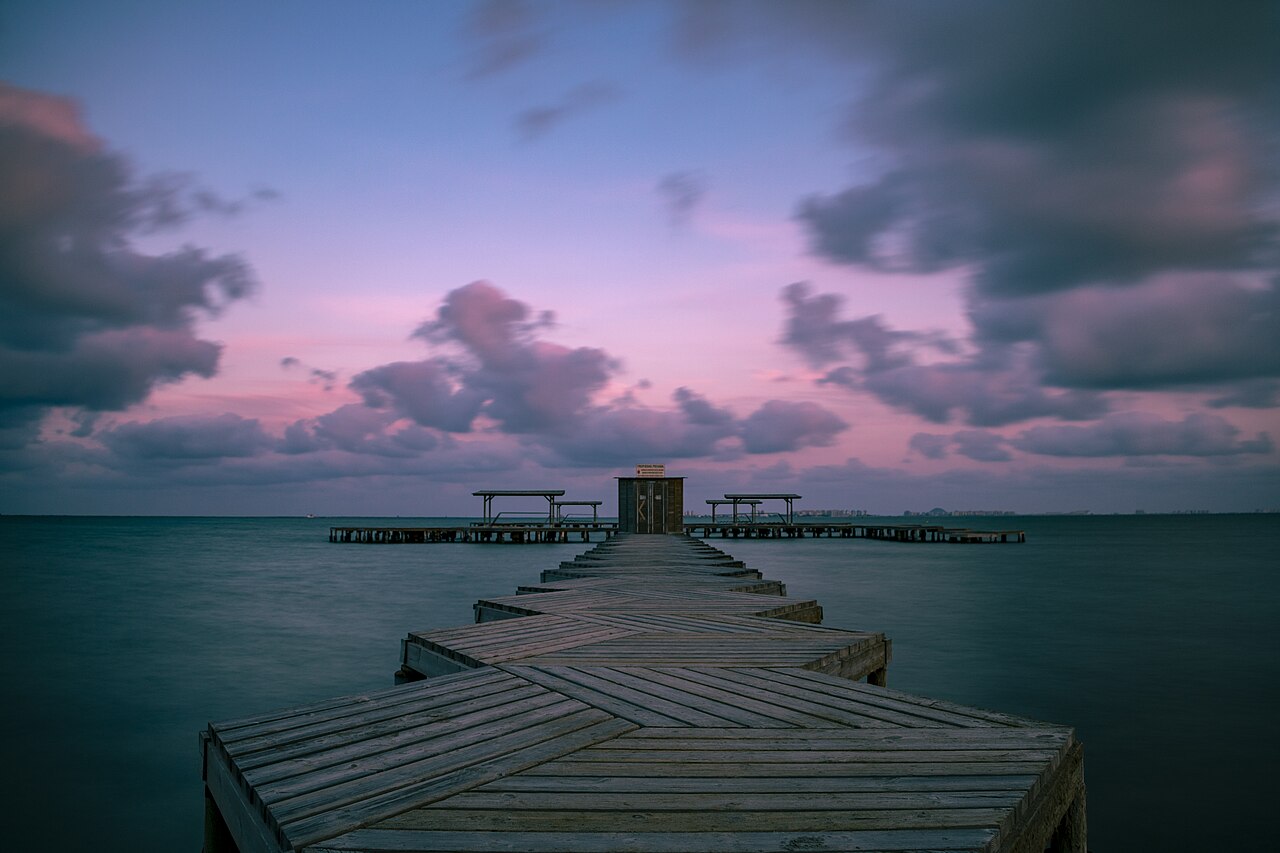
Toxic algal blooms fed by fertiliser, manure and sewage are choking lagoons, lakes and beaches across Europe, closing swimming spots and hurting fishers, according to a report by the climate investigations outlet DeSmog published by Euronews. Warmer seas are speeding the algae's growth; some types cause nausea, vomiting and rashes, and hundreds of swimming bans were imposed across the continent this summer.
In Spain's Mar Menor, Europe's largest saltwater lagoon, studies estimate that agriculture supplies about 85% of the nutrients entering the water, with urban sources the rest. Intensive farming in the region provides a ready supply of manure, slurry and fertiliser runoff that feeds cyanobacteria. Authorities removed more than 4,000 tonnes of algae from its shores and waters in the first three months of 2026. "We used to catch far more gilt-head seabream and prawns. Now the catch is much smaller," said Rubén Albaladejo, a fisherman from Lo Pagán, who reported water at 30 degrees.
Spain's environment ministry is funding eight projects worth more than €11.5 million to cut livestock pollution, including new ways of treating pig slurry and moving sheep to open pasture, within a €675 million national programme to recover the lagoon; by the end of 2025 only about 16% of that budget had been spent. The lagoon was granted legal personhood in 2022.
In Northern Ireland, Lough Neagh, the UK's largest lake and the source of 40% of Northern Ireland's drinking water, has had blue-green algae every summer since 2023. Estimates from the NEW Harmonica project and the 2024 Lough Neagh Report put agriculture's share of phosphorus inputs at about 61% and networked wastewater at 29%. Poultry numbers in Northern Ireland have risen by a third and pigs by 74% under expansion plans since 2013. Fisherman Declan Coney, on the lake since 1975, said this year was "the worst ever for fishing".
An April report by the Office for Environmental Protection concluded that rules to cut phosphorus and nitrogen in animal feed and to limit manure spreading need to be strengthened and better enforced, and that farmers need more support. "Nutrient pollution from both agricultural and wastewater sources need to be tackled together for water quality to improve," said Professor Robbie McDonald, its chief scientist. Dr Paul Leonard of Dublin City University warned that phosphorus stored in lake sediments can keep feeding algae after inputs fall. In Brittany, campaigners link pig farming to sea lettuce algae on beaches.
Photo: David Franklin Fernandez / Wikimedia Commons (CC BY-SA 4.0)
Source: Euronews



Comments
(0)