
A patient in France died in early October after contracting Shamonda virus, in what authorities describe as the first known human infection with a virus previously found only in animals, mainly livestock, Down To Earth reports. France's health and agriculture ministries said in a joint statement that no risk to the general public had been identified so far.
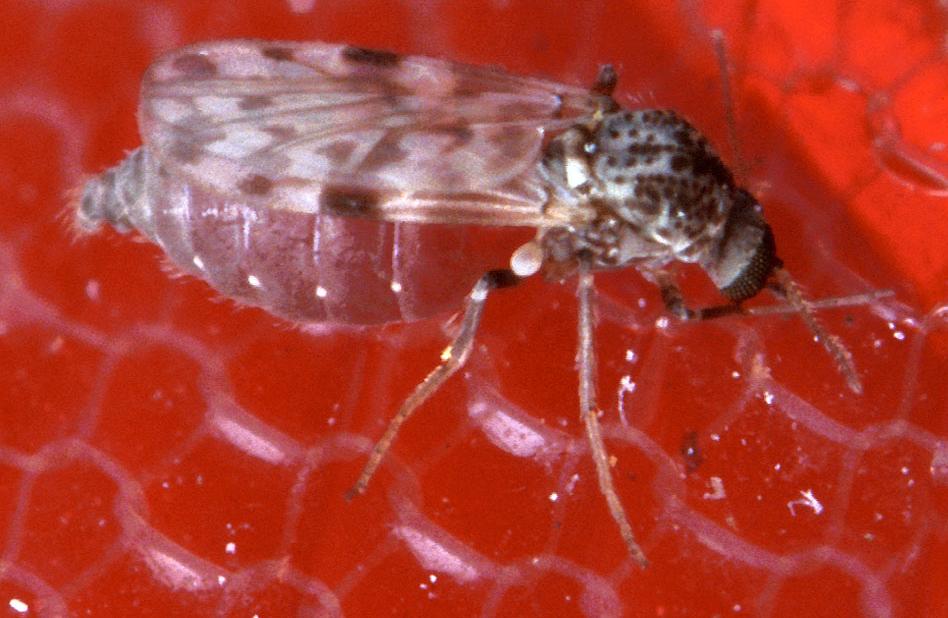
The patient, who has not been named, was immunocompromised and was being treated for a serious illness, which made him more vulnerable to infection. According to the World Health Organization, he had been in an area where the virus was circulating among animals and where Culicoides biting midges, which can carry certain animal viruses, were present. BBC News reported that he caught the virus in eastern France, where infections in animals were first identified in the spring.
Shamonda virus was first isolated from cattle in Nigeria in 1965 and has since been found in parts of Africa, Asia and Europe, according to the World Organisation for Animal Health (WOAH). Most recent reports involve cattle, but infections have also been recorded in sheep, goats, horses and alpacas. It is thought to spread through the bites of midges.
In animals, WOAH lists fever, diarrhoea, reduced milk production and reproductive disorders, including miscarriages and foetal malformations, as reported signs; neurological symptoms occur less often. There is no commercially available vaccine.
The WHO said more studies are needed to understand how the virus reaches people. Director-General Tedros Adhanom Ghebreyesus said the agency is in contact with French authorities, who are gathering information on how the patient was infected, possible routes of transmission and any risk to public health. The report is by Shagun.
Photo: Scott Bauer, USDA ARS / Wikimedia Commons (public domain)
Source: Down To Earth




Comments
(0)