

Herbicide resistance is becoming a critical threat to farm productivity in South Africa, crop protection specialists told farmers at a recent Corteva road show, and the answer is a whole system of weed control rather than a better product. According to the global Herbicide Resistance Action Committee, hundreds of resistance cases have been documented in more than 100 weed species worldwide.
Resistance develops when the same mode of action is used again and again, said Dr Elbé Hugo, Corteva's category marketing lead for herbicides: susceptible weeds die, naturally tolerant ones survive and reproduce, and over several seasons they take over the population. Independent consultant Dirk Uys of Agbridge said wheat farmers in the Swartland have struggled for years with resistant ryegrass (Lolium spp.), while new active ingredients are becoming scarcer, costlier and harder to develop.
Maryke Craven, technical lead for herbicides at Syngenta, said farmers need to know which kind of resistance they face. Target-site resistance, where the herbicide cannot bind at its site in the plant, cannot be beaten by raising the dose; non-target-site resistance stops the chemical reaching or acting on its target in broader ways. She also warned that implements moving between farms carry weed seed with them.
Chris Preston, professor of weed management at the University of Adelaide, drew on Australia's experience. Rotating herbicide groups lowers the selection pressure on any one mode of action, he said, but on its own will not solve the problem: crop rotation, cover crops, strategic tillage to manage the weed seedbank, and better planting dates and densities all help the crop outcompete weeds. Elriza Theron of CropLife South Africa called resistance management a long-term investment, not a short-term cost.
Much resistance is bred by poor spraying, said Hanlie Geldenhuys, agronomy lead at Syngenta South Africa. Her checklist: spray when weeds are small, actively growing and not stressed; keep strictly to label rates; avoid unlabelled tank mixes, which can make both products work worse; keep sprayers clean and working; and stop weeds returning seed to the seedbank. Craven added that blocked nozzles and other faults deliver sub-lethal doses that build 'creeping resistance' over time.
The experts agreed that suspected resistance should be investigated quickly, through alternative control or formal testing, rather than ignored, because it spreads. The losses come as higher weed control costs, lower yields and extra sprays. The report is by Magda du Toit for Farmer's Weekly.
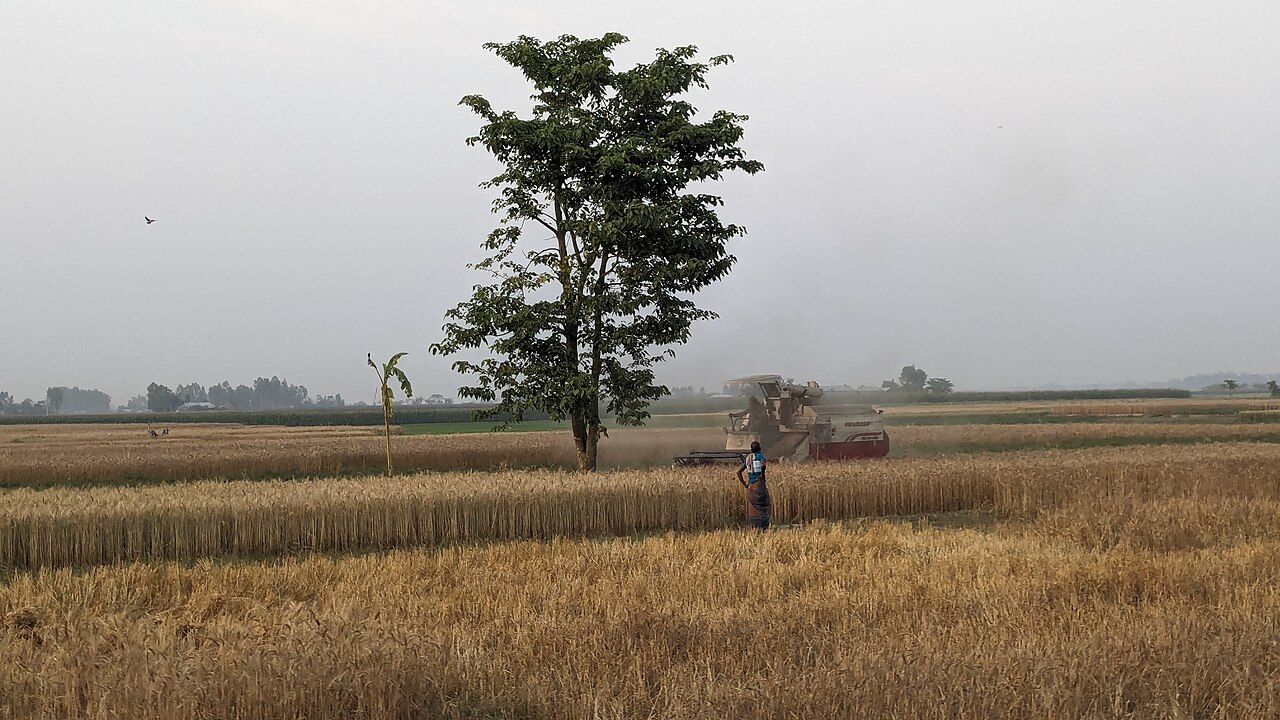
Photo: NASA, International Space Station (wheat fields of the Swartland) / Wikimedia Commons (Public domain)
Source: Farmers Weekly South Africa


Comments
(0)