
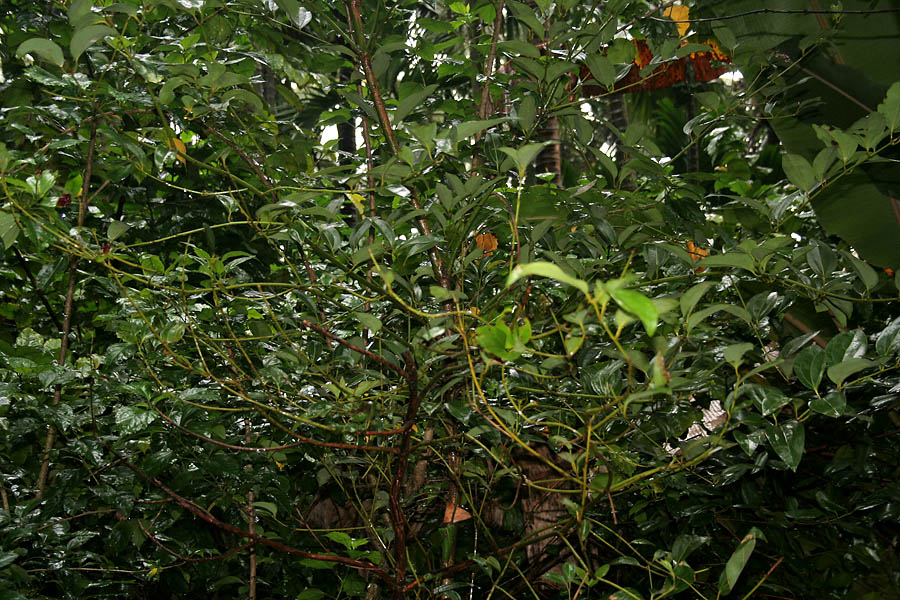
In Bajemoskur village of Kaunia upazila, Rangpur, rows of Indian bay leaf (tejpata) trees line homesteads, field ridges, fallow plots and both sides of the road. Because the trees give long-term income at low cost, the village has become known as the 'bay leaf village', Agricare24 reports. Cultivation is also spreading to Chaitarmor, Rajib and other villages in Tepamadhupur.
Upazila Agriculture Officer Md Salahuddin said bay leaf is now grown on 65 hectares in Kaunia, and sub-assistant agriculture officers advise growers regularly. Its low cost and long-term returns have made it profitable in the area, he said.
Growers say a tree, once planted, yields leaves for many years and needs relatively little care or money. Each tree gives an average of 25 to 40 kg of leaves a year. Local traders buy straight from the orchards, some lease orchards on seasonal contracts, and companies also buy leaves.
Ashraful Islam of Bajemoskur used to grow rice, maize and vegetables; now his land is planted with bay leaf. He sold three maunds of leaves in the first year and now sells about 16 maunds a year. Abu Sufian of the same village spent about Tk 30,000 planting 350 trees on 66 decimals and has earned at least Tk 200,000 so far.
Rafiqul Islam, a trader in Chaitarmor, said he buys about 300 sacks of bay leaves from Kaunia each week and sends them to Dhaka, where they sell for Tk 108 to 112 a kg. Because the quality is good, he says, exporters ship the leaves to Saudi Arabia, Dubai, Singapore and other countries.
People in the farm sector say bay leaf could become an even bigger source of income for Kaunia's farmers if the market holds and quality is maintained.
Photo: J.M.Garg / Wikimedia Commons (CC BY 3.0)
Source: Agricare24



Comments
(0)