
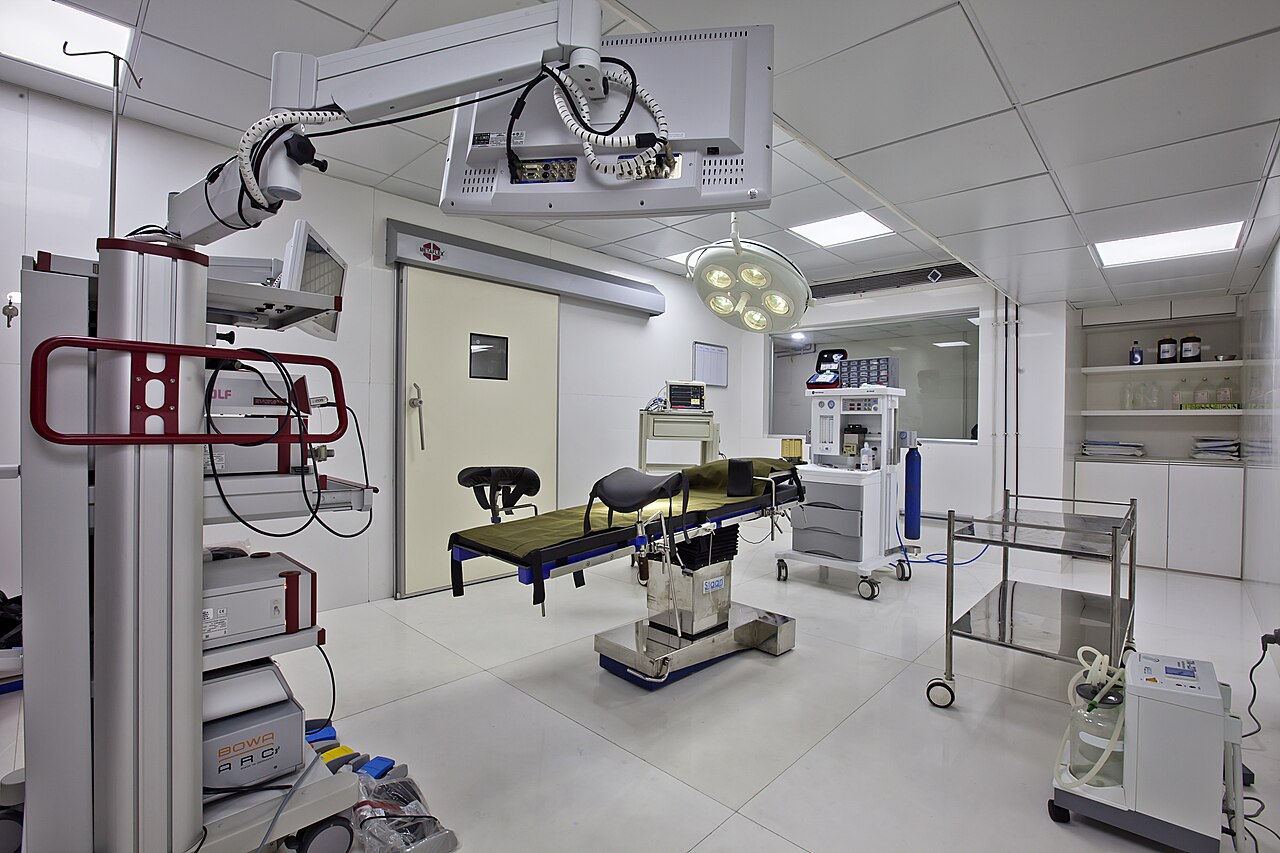
Nausea and vomiting on waking from an operation, which doctors call post-operative nausea and vomiting, is one of the most unpleasant parts of surgery for many patients, and drugs do not always stop it. A team in China has found that keeping noise-blocking ear defenders on a patient throughout the operation may reduce it.
Huayu Liu of the First Affiliated Hospital of Soochow University and colleagues presented the results at an anaesthesiology conference held recently in San Diego in the United States. The trial involved 192 women due to have keyhole (laparoscopic) surgery under general anaesthesia.
The patients were split into two groups. One group wore noise-blocking ear defenders from before the operation began until it ended; the other did not. Both groups received the usual anaesthetic drugs and standard anti-nausea medication.
In the 48 hours after surgery, 35 per cent of the patients who wore ear defenders had nausea or vomiting, compared with 52 per cent in the other group. Among the ear-defender group, those who did feel sick had milder symptoms.
Liu measured average sound levels of about 66 decibels in a typical operating theatre, close to that of two people talking normally in a room, from staff conversation, instruments and the steady beeping of monitors. The researchers believe this noise stresses the nervous system even under anaesthesia and stirs the parts of the brain that control vomiting. Vigi Katlowitz, a researcher at Baylor College of Medicine in Houston, says anaesthesia is not an off switch for the brain: the body may be numb, but the brain goes on processing the sounds around it.
Liu has made clear that how blocking sound reduces nausea is not yet established and the explanation remains a hypothesis. The findings come from a single trial presented at a conference, and he plans larger studies across several hospitals.
Written by Kamal Das, Bigganchinta
Photo: Dr.jayesh amin / Wikimedia Commons (CC BY-SA 3.0)
Source: Bigganchinta



Comments
(0)