
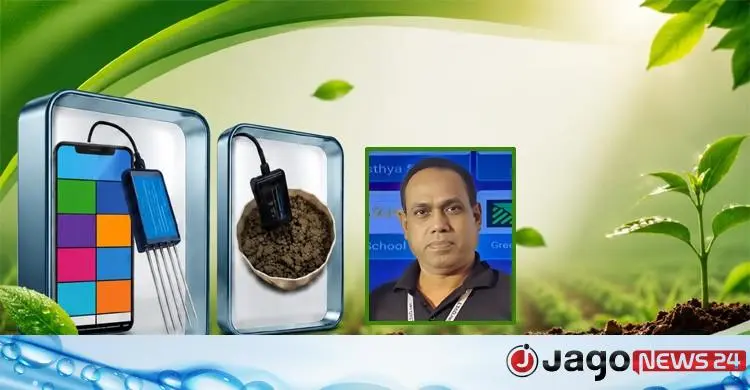
Bangladesh's agriculture must become more efficient, science-based and sustainable in the face of climate change, population growth, food security pressure and shrinking farmland. Yet the foundation of the whole system, the soil, remains the most neglected.
More than five decades after independence, most farmers still have no access to regular soil testing. Fast, accessible Internet of Things (IoT)-based testing has not been set up at upazila or union level, and laboratory testing is limited, costly and beyond most farmers' reach. As a result, farmers apply fertiliser based on experience, which is often unscientific.
A living resource under strain
Soil is a living resource with a delicate balance of minerals, microorganisms, organic matter, water, air and nutrients. Ideal farm soil is generally said to contain about 45 percent minerals, 25 percent water, 25 percent air and 5 percent organic matter, though the ratio varies with soil type and moisture. The 5 percent organic matter is especially important because it drives fertility, water-holding capacity, microbial activity and nutrient retention.
- In many fields organic matter has fallen far below the ideal, in some places to less than 1 to 2 percent, and organic carbon is declining.
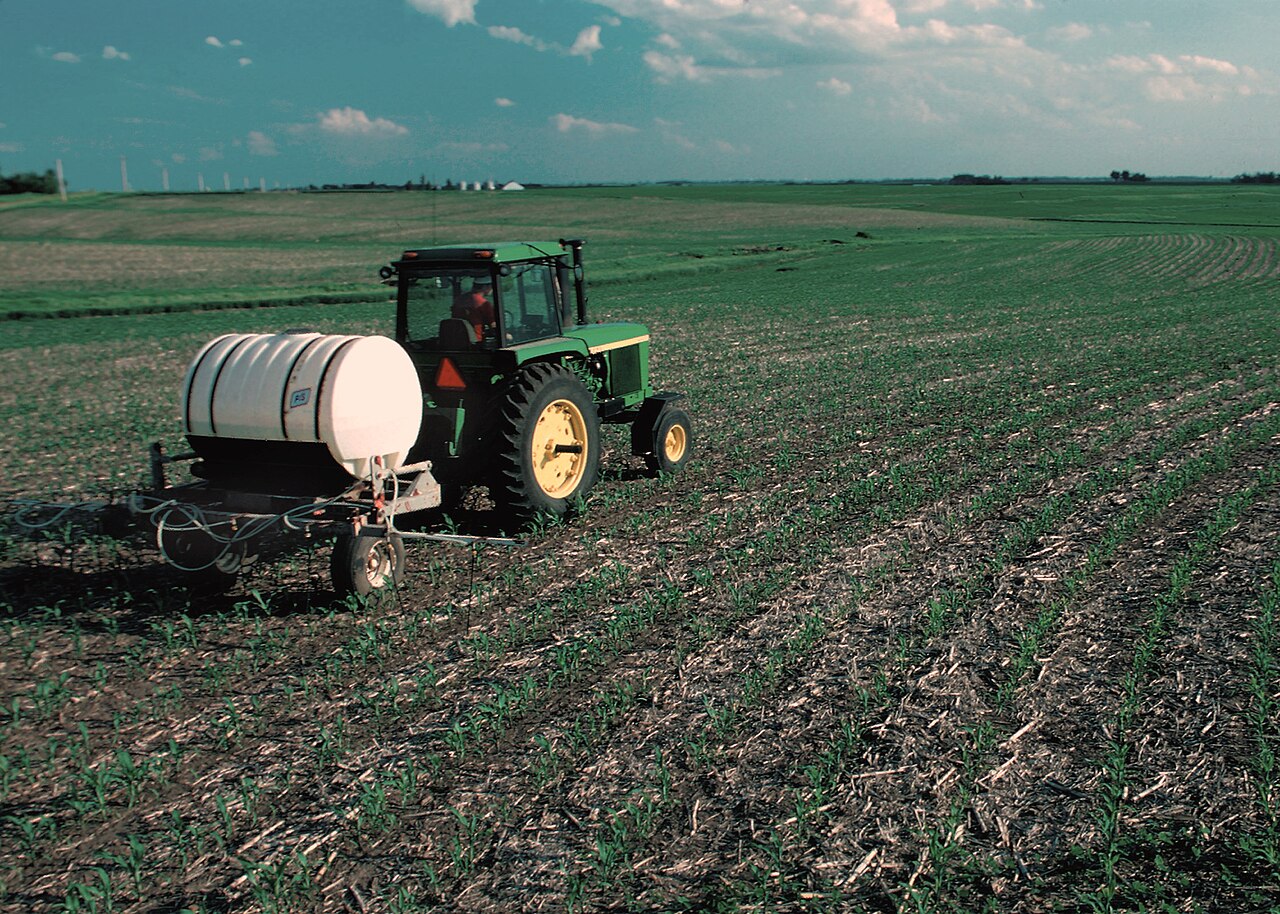
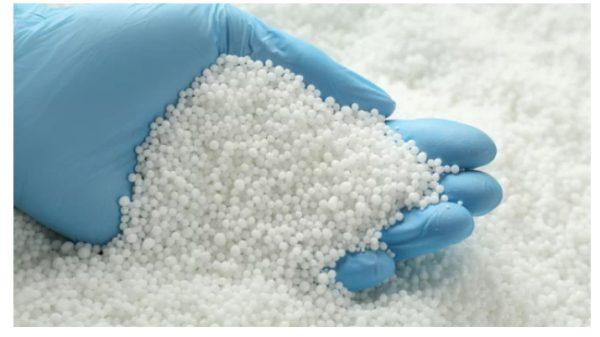
- Urea, TSP, MOP and other chemical fertilisers are applied year after year without knowing what the soil needs, and excessive pesticides and herbicides are harming soil life, including beneficial bacteria, fungi and earthworms.
- Soil acidity is rising in various regions because of excess nitrogen fertiliser, poor management and low organic matter, while salinity is increasing on the coast. When pH is out of balance, crops cannot take up nutrients, so more fertiliser does not bring higher yields.
Testing before treating
Just as a doctor diagnoses before prescribing, fertiliser should not be applied without knowing the soil. Testing reveals pH, electrical conductivity, moisture, temperature, nitrogen, phosphorus and potassium, allowing balanced fertilisation. IoT-based smart soil sensors can collect this data in the field within minutes and store it in a mobile app or cloud platform for farmers, officials and researchers to analyse immediately.
If every upazila agriculture office, union digital centre or farm service centre offered IoT-based testing, farmers could easily learn the health of their land, cutting fertiliser waste, costs and pollution, raising profits and creating young agri-entrepreneurs who offer testing services. Storing millions of results in a central database would allow a national map of fertility, acidity, salinity, organic carbon and nutrient deficiencies to guide policy, fertiliser imports, research and climate adaptation. This data-driven approach is the basis of precision agriculture.
Changing management too
The writer recommends more organic fertiliser, green manure, crop rotation, including pulses, returning crop residues, reduced tillage and integrated nutrient management, with chemical fertilisers used in balance rather than abandoned. Biochar should be used now to raise soil organic carbon permanently.
A national programme
The writer calls for a national IoT-based soil health monitoring programme with smart soil sensors, trained staff, a digital data platform and simple services for farmers in every upazila, involving research institutes, agricultural universities, the Soil Resource Development Institute (SRDI), the Department of Agricultural Extension (DAE) and private technology firms. Healthy soil means healthy agriculture and food security, the writer concludes; what is needed is investment in soil health, not just fertiliser subsidies.
Source: Jagonews24. First published in Bengali on The Agro News.
Comments
(0)