
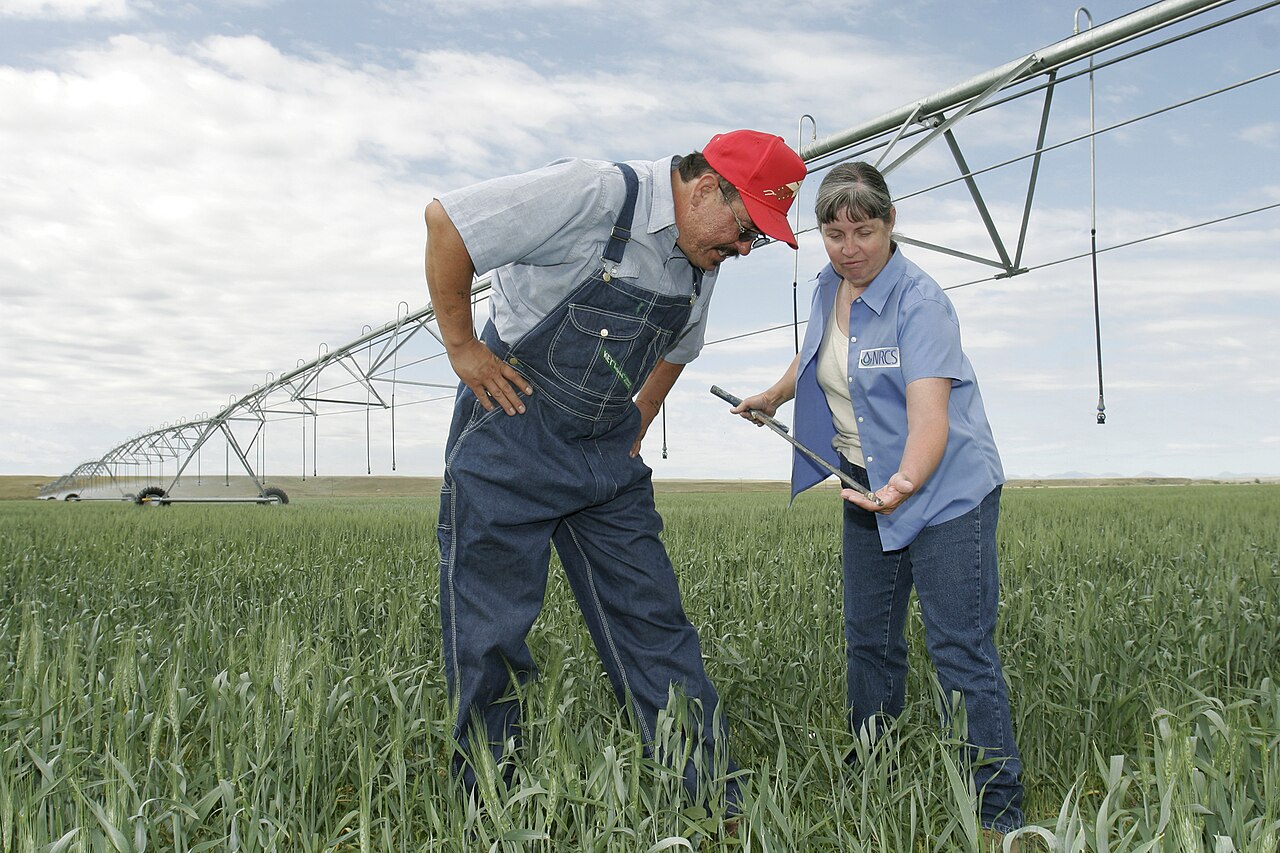
Southern African growers facing El Nino risks can trim water and fertiliser bills without giving up yield by measuring what is happening in the root zone and in the plant, says Dr Michael Southwood, founder of the Agri Vision Foundation, speaking to Lisakanya Venna of Food For Mzansi.
Managing irrigation, he says, is really about managing oxygen. Over-watering saturates the top 30 to 40 centimetres of soil, where most feeder roots sit, and the lack of oxygen stops new roots forming and harms soil life. "If you over-irrigate, obviously, there will be a lack of oxygen, and you'll not have the continuous formation of new roots," he said.
His answer is soil moisture probes that read at 10-centimetre depth steps, used alongside drones and NDVI satellite imagery, so that growers can see the soil's water status and spot crop stress before it shows to the eye.
Nitrogen is the other big waste. Southwood says roughly seven in ten crop quality problems come from too much nitrogen, which produces soft, lush growth that is vulnerable to pests, disease and weather. Instead of relying only on dry-leaf laboratory analysis, which reflects past nutrition, he advises measuring sap from fruit or leaf stalks twice a week in the field with on-farm meters for nitrogen, electrical conductivity and Brix (sugar content), and adjusting nitrogen as the readings change.
Placement matters as well. With modern drippers or controlled-release fertilisers, nutrients can be banded across only 15% to 20% of the field surface, which he says avoids brackish soil, limits acidification and protects soil microbes.
His advice for a farmer starting out is to begin small, with one well-performing block, and build up the farm's own data before changing inputs across the farm. He is organising the SADC Plant Nutrition Symposium in Stellenbosch on 19 and 20 November 2026.
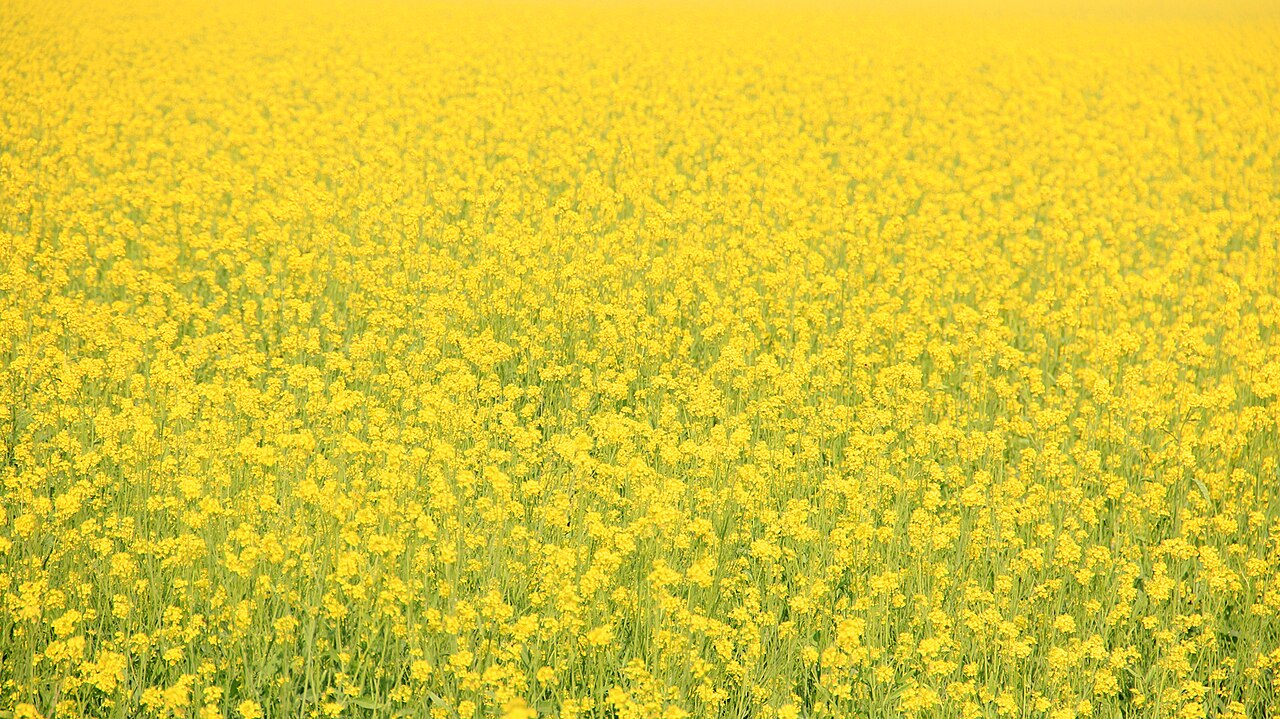
Photo: USDA NRCS / Wikimedia Commons (public domain)
Source: Food for Mzansi
Comments
(0)