
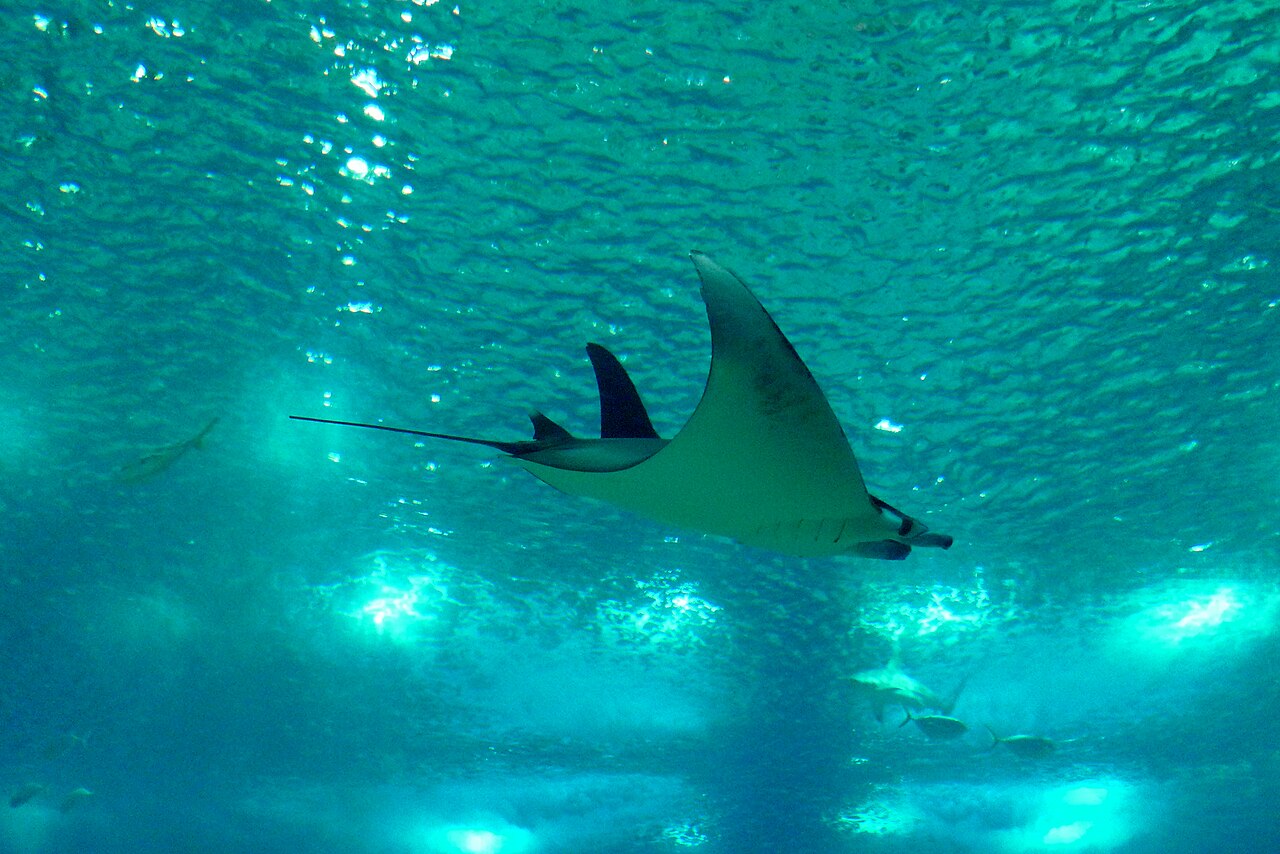
Four species of manta and devil rays are declining off Tamil Nadu as small-scale fishing fleets grow, according to a study of landings at Thoothukudi between 2013 and 2023, Mongabay India reported. The work, published in Conservation Science and Practice, found falling numbers of the spinetail, sicklefin and bentfin devil rays and the oceanic manta ray, alongside rising fishing pressure.
Mobulid rays feed in shallow coastal waters and are easily caught in nets. About 259,000 are killed each year in fisheries worldwide, 87% of them by five countries, India, Indonesia, Sri Lanka, Myanmar and Peru, mostly in small-scale fisheries. India accounts for 28.2% of the deaths.
At Threspuram and Tharuvaikulam the team recorded 8,163 mobulid landings. Spinetail devil rays made up as much as 86% of the bycatch. At Threspuram, landings per vessel fell by 86% for spinetail devil rays, 92% for sicklefin devil rays and 83% for manta rays, yet total ray landings rose by 4% because the fleet grew and boats became more efficient. "More efficient technology or more boats will get a higher catch, but that does not mean that there are more fish in the sea," said Divya Karnad of the University of Exeter, an author of the study.
The rays being landed are also younger. The share of adult spinetail devil rays fell from 64% to 26%, and their mean disc width shrank by 10 centimetres. Because these rays produce one pup every two to three years, losing adults makes recovery much harder, said lead author Mayuri Chopra of Oxford University. Drift gill nets accounted for 98.9% of landings, and tuna fisheries for 50.2% of the bycatch.
Protection is uneven. Manta rays have been under Schedule I of India's Wildlife (Protection) Act since April 2023, but most devil rays sit in Schedule IV. All 10 mobulid species were added to CITES Appendix I in November 2025, which bans commercial international trade but not domestic catch. With no compensation for releasing rays, bycatch is sold in local markets.
The researchers suggest shorter net soaking times and changes in mesh size, to be tested for side effects, and argue that devil rays should get the same strict no-take protection as manta rays, with habitat protection and regular monitoring. Recovery will take decades, Karnad said.
The report was written by Aditi Tandon.
Photo: David Sim / Wikimedia Commons (CC BY 2.0)
Source: Mongabay India

Comments
(0)