
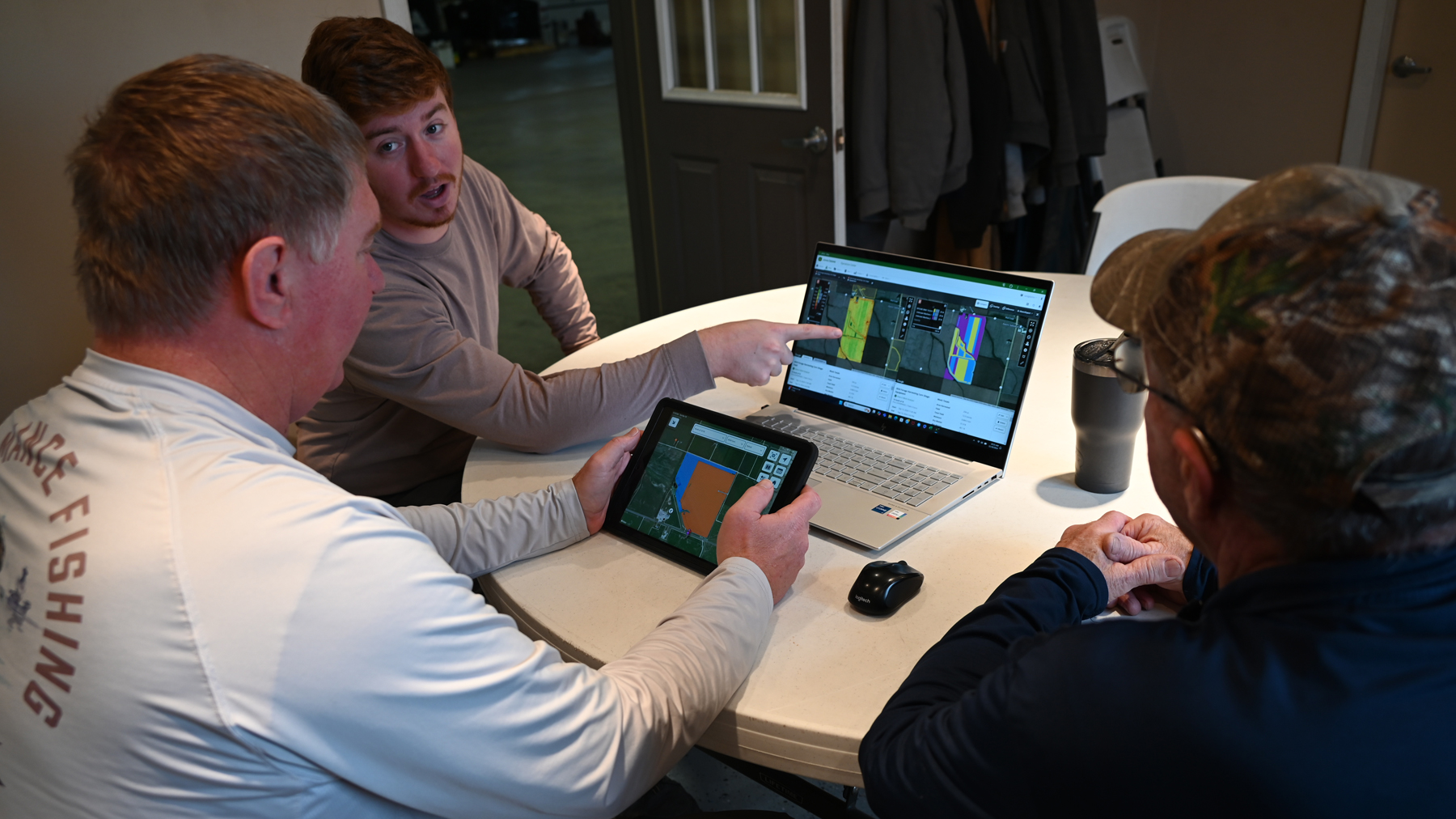
A five-bushel yield gain looks like the end of a crop trial — higher yield, box ticked — but Jason Roth, senior technical agronomist at Keystone Cooperative, warns in Farm Progress that a 5-, 10- or even 15-bushel bump can be an illusion until the data behind it has been cleaned. "Know how to look at the data," he said. "And know how to call people out and say, 'Show me the data.'"
With Dan Quinn, Purdue Extension corn specialist, Roth offers six steps for farmers reviewing this year's product and practice trials as harvest wraps up.
First, erase the end rows. "How many of your end rows outyield the inside part of the field? It never happens," Roth said; leaving them in drags the numbers down unevenly. Second, delete outlying areas — washed-out spots and zones that always yield far above or below the rest, where soil type, fertility and compaction skew the comparison. "That's making you see what you want to see versus what's real," he said.
Third, in strip trials with changing rates, cut out the transition zones where the applicator ramps up or down — about 50 feet of each strip, Quinn said. Fourth, do not over-clean: "You can clean the data in a thousand different ways and make it say what you want," he cautioned.
Fifth, question wild yield swings between fields. If the combine's yield monitor was not calibrated between them, the swings may be the monitor's, not the crop's, and the trial should be replicated next year. "If it's not calibrated, then you might as well throw out those maps," Quinn said. Sixth, investigate the why: before betting on a product for next season, ask what else could explain the result.
The sorting takes time, Roth acknowledged, but it separates a product that meets expectations from one hiding behind a false conclusion. "There's a lot of noise coming at you as farmers," he said. "You must work to quiet the noise."
Source: Farm Progress

Comments
(0)