
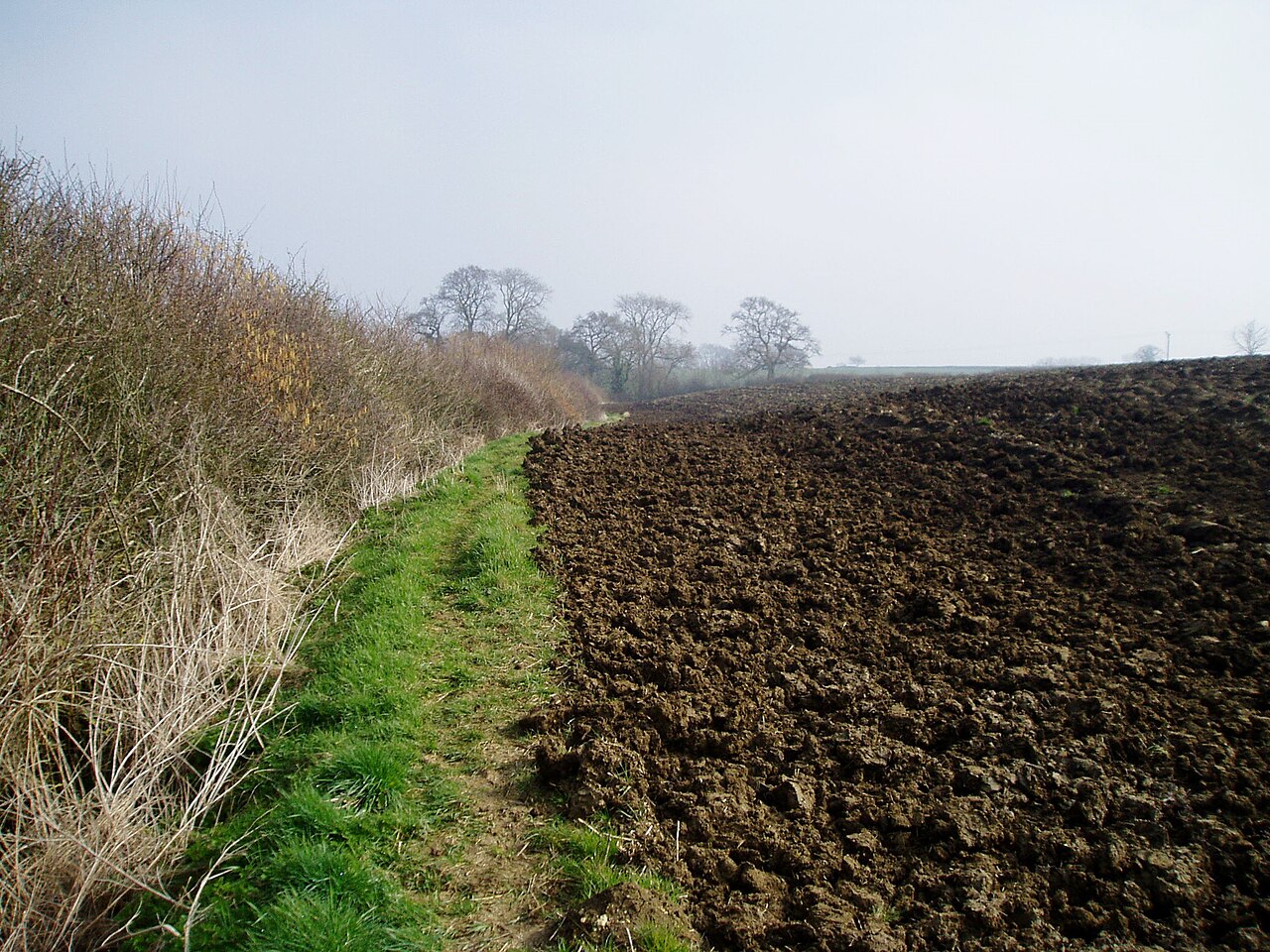
More than £65m was paid to farmers in England to assess their soils under the Sustainable Farming Incentive (SFI), but the results were never routinely collected, leaving the government without what could have been a national picture of soil health, Farmers Weekly reported.
Between 2023 and 2026, 74,617 farm businesses took part in the SFI's SAM1 and CSAM1 soil-assessment actions, covering more than 10.9 million hectares. They were paid to assess their soils, write soil-management plans and test soil organic matter.
A Freedom of Information response obtained by the Sustainable Soils Alliance (SSA) shows the assessments, plans and test results were not routinely gathered from farmers; the Rural Payments Agency asked for them only on an ad hoc basis during inspections. "SFI data could have made a significant contribution to this picture, but results collection was never incorporated into the original design," said SSA director Matthew Orman.
The gap matters because the government has committed to better soil evidence. Defra's 2025 Environmental Improvement Plan aims to bring at least 40% of England's agricultural soil into sustainable management by 2028 and 60% by 2030, and to improve the quality, consistency and availability of soil data by 2029, including a soil-health baseline. The first national soil-health indicators, published in March 2026 and covering soil carbon, run-off risk and sustainable arable crop provision, are described as interim.
Defra has statutory duties under the Environment Act 2021 to monitor progress towards environmental targets, but the Act does not require it to collect soil-assessment records from every SFI farm. Its latest progress report says it will use uptake of SFI actions as a proxy for sustainable soil management while the wider baseline is developed.
A Defra spokesperson said SFI-funded soil management plans help farmers understand their soils, monitor change and make better decisions, and that scheme outcomes are monitored through surveyor visits to sample farms and the Natural Capital and Ecosystem Assessment. The report, by Philip Case, noted that the paywall has also been removed from the Soil Maps of England and Wales.
Photo: Peter Holmes / Wikimedia Commons (CC BY-SA 2.0)
Source: Farmers Weekly
Comments
(0)