
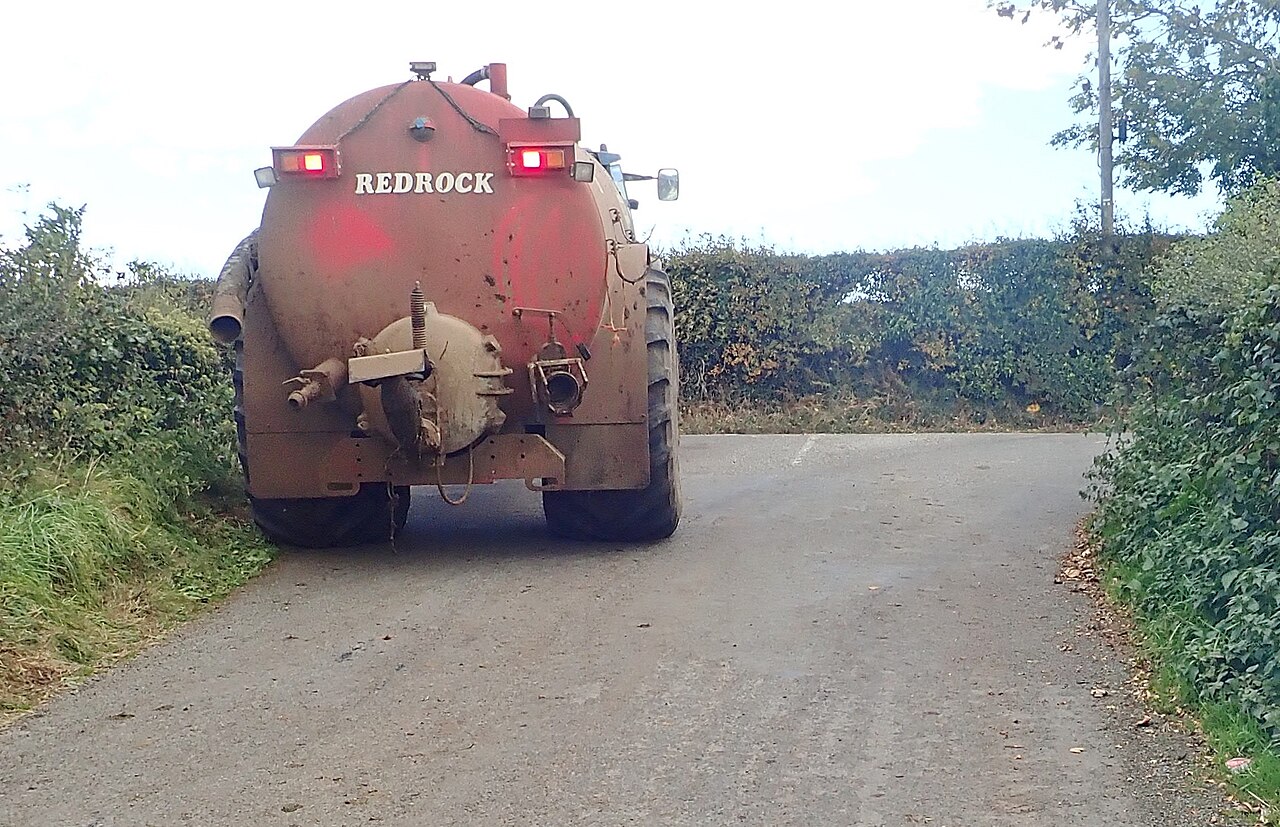
Farmers in Wales will get more time to spread slurry and a larger share of their support payments in advance this autumn, after a summer of drought and wildfires, the Welsh Government has announced, The Scottish Farmer reported.
Advance payments under both the Sustainable Farming Scheme (SFS) and the Basic Payment Scheme (BPS) will rise from 70% to 80% of estimated claim values. The government will also legislate to extend the slurry and manure spreading period to 15 November 2026 for all soil and land types.
Ministers said prolonged dry weather had restricted grass growth, disrupted grazing and forage production and left many farms with higher-than-normal slurry stocks going into winter. Farmers and Natural Resources Wales reported that the drought stopped many businesses following their normal grazing, silage-making and nutrient-management plans, raising concern about storage capacity.
The extension applies to the current spreading season only and comes with safeguards for water quality, including limits on application volumes and mandatory intervals between applications. Poultry manure is excluded because other storage options exist. Officials argued that extra spreading time is the most responsible environmental option, since overloaded stores risk more serious pollution in a wetter winter.
"I've heard directly from farmers and growers about the impacts of this summer's drought, and the wider challenges facing the sector, and they've told me they need three things from their government: certainty, flexibility and support," said Llyr Gruffydd, cabinet minister for rural resilience and sustainability. He said the larger advance payments would ease cash-flow pressure on businesses still dealing with the cost of the drought. The report was written by Kelly Henaughen.
Photo: Eric Jones / Wikimedia Commons (CC BY-SA 2.0)
Source: The Scottish Farmer

Comments
(0)