
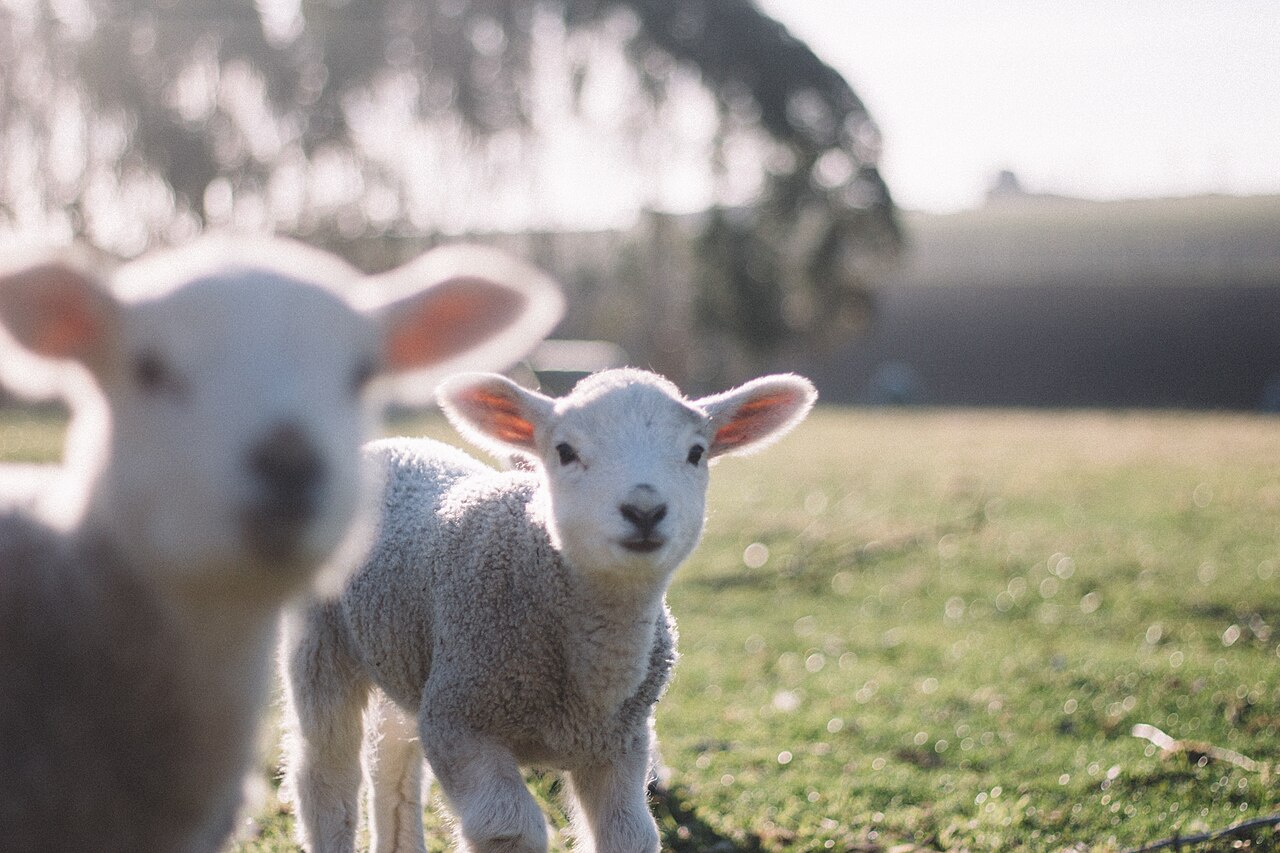
Vineyards and orchards on Hawke's Bay's Heretaunga Plains are being pulled out at an alarming rate and the paddocks returned to pasture, and with vine returns down and red meat strong, many landowners are considering putting mouths on the land to make a margin, mainly lambs and Friesian bull calves, Farmers Weekly reports in the second part of its special report on the plains.
That adds demand to a lamb supply chain already stretched by years of land-use change. Short supply and strong overseas demand gave New Zealand farmers one of their most profitable lamb years on record, with processor prices at record levels flowing through to the farm gate. Lambs, though dearer than ever, remain the cheapest stock class to buy into, matched only by feeder calves.
At North Island saleyards covered by AgriHQ's LivestockEye the store lamb season peaked in June, when the average price crept above $6/kg liveweight, 54 percent of the lamb schedule; male lambs at Stortford Lodge averaged $225–$232 a head at $5.95–$6.04/kg. Extra demand into 2026–27 will push prices to where margins are squeezed even against record schedules. Beef + Lamb New Zealand's stock number survey forecasts a stable lamb crop of 19.75 million despite the breeding ewe flock falling 1.9 percent, about 268,000 head, thanks to better scanning percentages.
Early ewes with lambs at foot at Stortford Lodge and Feilding have traded at $160–$180 all counted, $20 a head up on last year, or $320–$360 for a ewe and single lamb and $480–$540 for a ewe with twins. Friesian bull calves at 100 kg, which flow into Hawke's Bay from dairy regions, are contracted at around $750–$850 depending on delivery date, though a much larger calf rearing this year and an El Niño forecast could leave supply ahead of demand and pull prices down.
Photo: Tim Marshall / Wikimedia Commons (CC0)
Source: Farmers Weekly NZ
Comments
(0)