
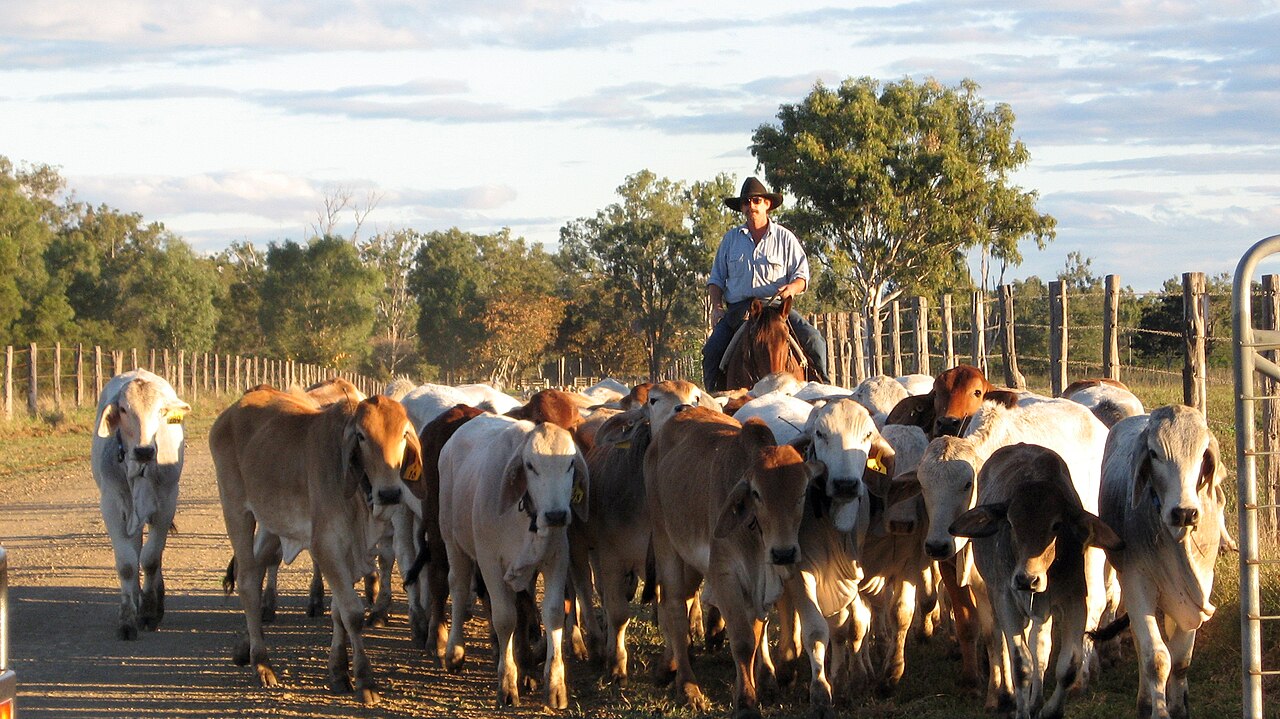
Australia's beef and veal production is forecast to exceed three million tonnes carcase weight in calendar 2026, an annual record, even as cattle numbers begin to ease, according to Meat & Livestock Australia's September Australian Cattle Industry Projections Update. Improved seasonal conditions and long-term productivity gains are sustaining historically high turn-off while slowing the herd contraction MLA had previously forecast.
"Historically, slaughter at these levels would have been associated with a much sharper contraction in the national herd," said Stuart Bull, MLA's market information manager. "What we're seeing now is a more productive cattle herd, where improved reproductive performance and faster movement through production systems, supported by improved seasonal conditions, are allowing the industry to sustain high turn-off while maintaining a stronger breeding and calf base."
Adult cattle slaughter is forecast to rise from 9.3 million head in 2025 to 9.6 million in 2026, then ease to 9.2 million in 2027 and 8.8 million in 2028. Annual feedlot turn-off passed four million head for the first time in 2025–26, and average carcase weights are put at 313 kg in 2026 and rising as the slaughter mix shifts to heavier steers and bullocks and grainfed production expands. The national herd is forecast at 30.8 million head in 2026, 30.1 million in 2027 and 29.7 million in 2028.
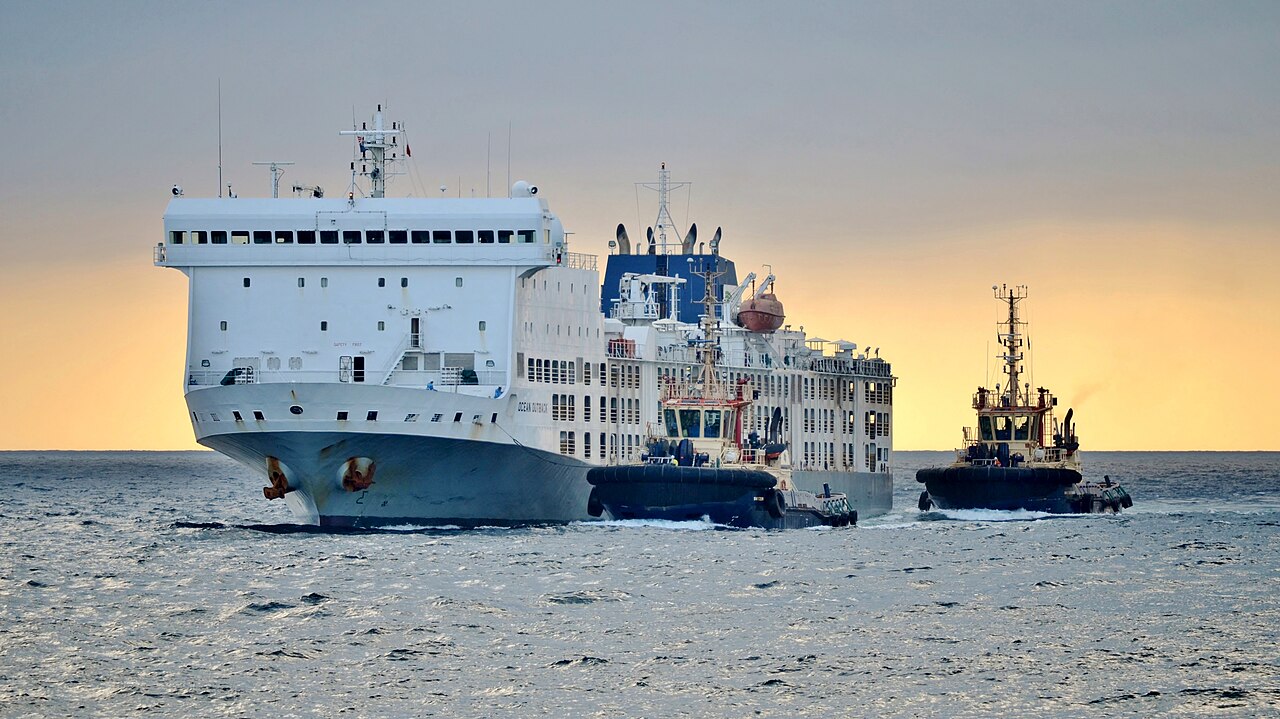
Beef exports are forecast at about 2.4 million tonnes in 2026 on strong global demand and tight supply in several major producing countries; the United States, with its herd at its lowest in more than 75 years, remains a key buyer. "A stronger Australian dollar and changing tariff settings in markets including China and South Korea are creating some headwinds, but Australia's broad market access remains an important strength," Bull said. Live cattle exports fell 25 percent year on year in the first seven months of 2026 as high cattle prices, exchange rates, freight and competition squeezed importer margins; Indonesia takes about 79 percent of them.
By 2028 production is forecast to stay above 2025 levels despite a smaller herd and lower slaughter, as heavier carcases and productivity gains offset tighter cattle availability. MLA presents the projections in a webinar on Wednesday 23 September at 11am AEST. The report is MLA's, via Beef Central.
Photo: CSIRO / Wikimedia Commons (CC BY 3.0)
Source: Beef Central
Comments
(0)