
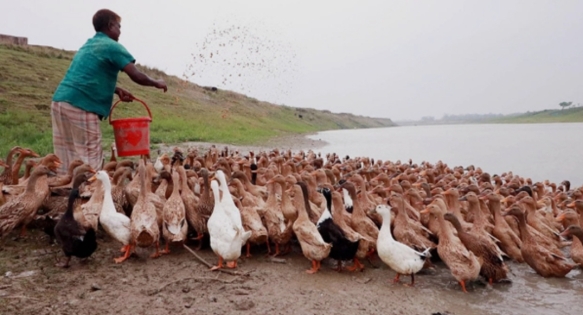
Pallab Gain, 23, of Bajua Chararhar village in Dakop upazila, Khulna, has become financially self-reliant through a duck farm and an example to local youth. Because the returns are high for a small outlay, many unemployed young people in the upazila are now keen to set up duck farms of their own.
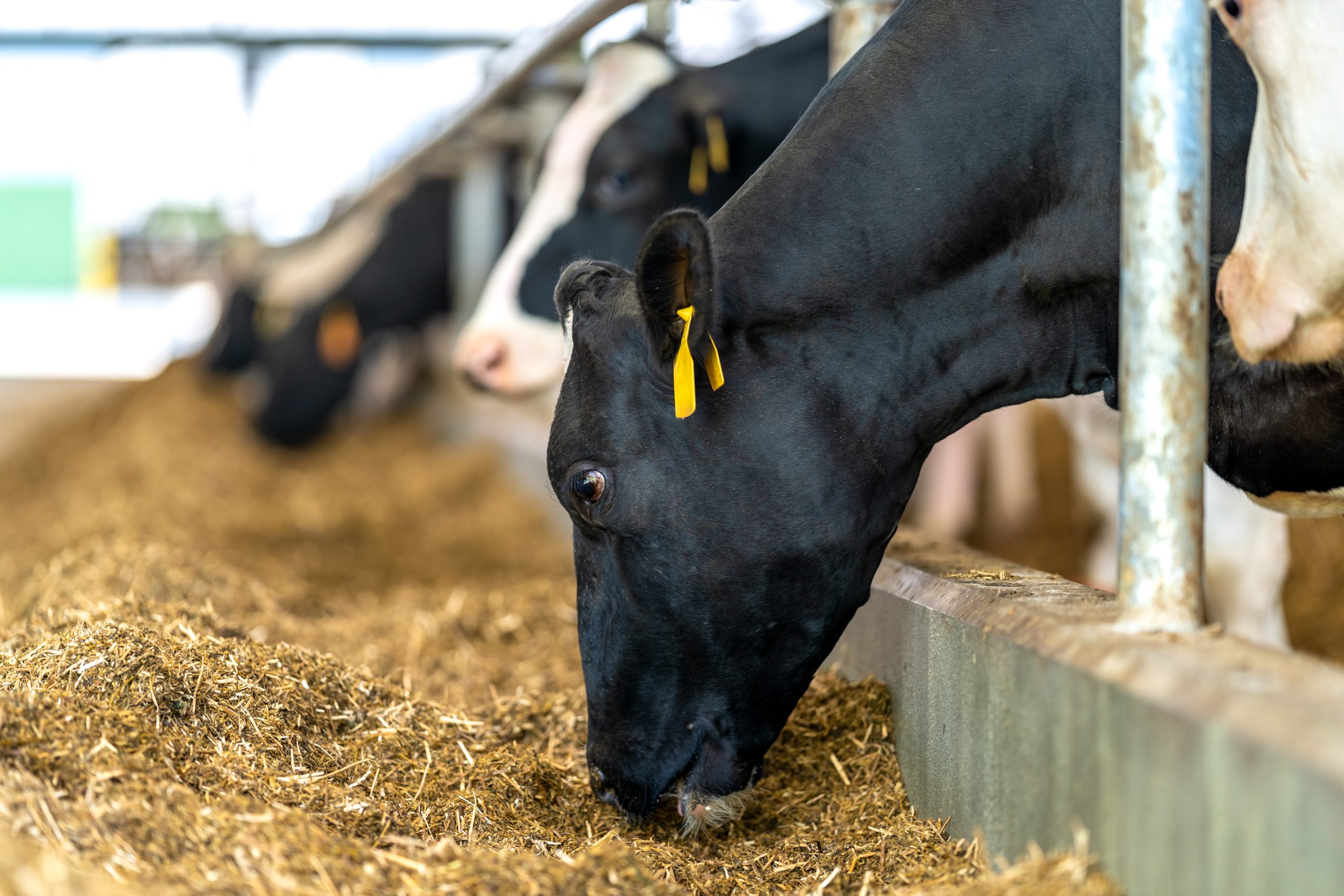
Watching his father Joydeb Gain run a poultry farm as a child gave him the interest; after passing his HSC he chose self-employment over a job search and started a joint farm with his father. It now holds about 1,000 ducks and four improved-breed cows, with roughly 700 ducks laying daily and eggs selling locally at an average Tk 15. Pallab told BSS a duck costs about Tk 450 to raise from duckling to laying, and after feed and care the farm earns Tk 25,000 to Tk 30,000 a month — low investment, good income.
Joydeb Gain said his earlier poultry farm sometimes made money and sometimes lost it; seeing his son's interest he joined the duck and dairy enterprise, and the two are now self-reliant together. Union parishad member Dinbandhu Mondal said Pallab had set a rare example at a time when local youth struggle for work, and that many villagers are now taking up ducks and cattle.
According to the livestock department there are about 220 duck farms, large and small, across Dakop upazila, and interest among new entrepreneurs is growing. Duck rearing has become a promising source of income for unemployed youth and housewives, with women increasingly involved; the fast-growing, meaty Pekin (Beijing) breed is a favourite, often kept in cages or on bamboo platforms. Shahnaz Begum of Bajua Chararhar said she earns well from Pekin ducks raised scientifically after being inspired by Pallab, and Mohiuddin Kazi of Pankhali village, who runs a farm alongside housework, said Pekin duck sells at Tk 400–500 a kilogram.
Based on BSS's special report from Khulna. Source: BSS

Comments
(0)