
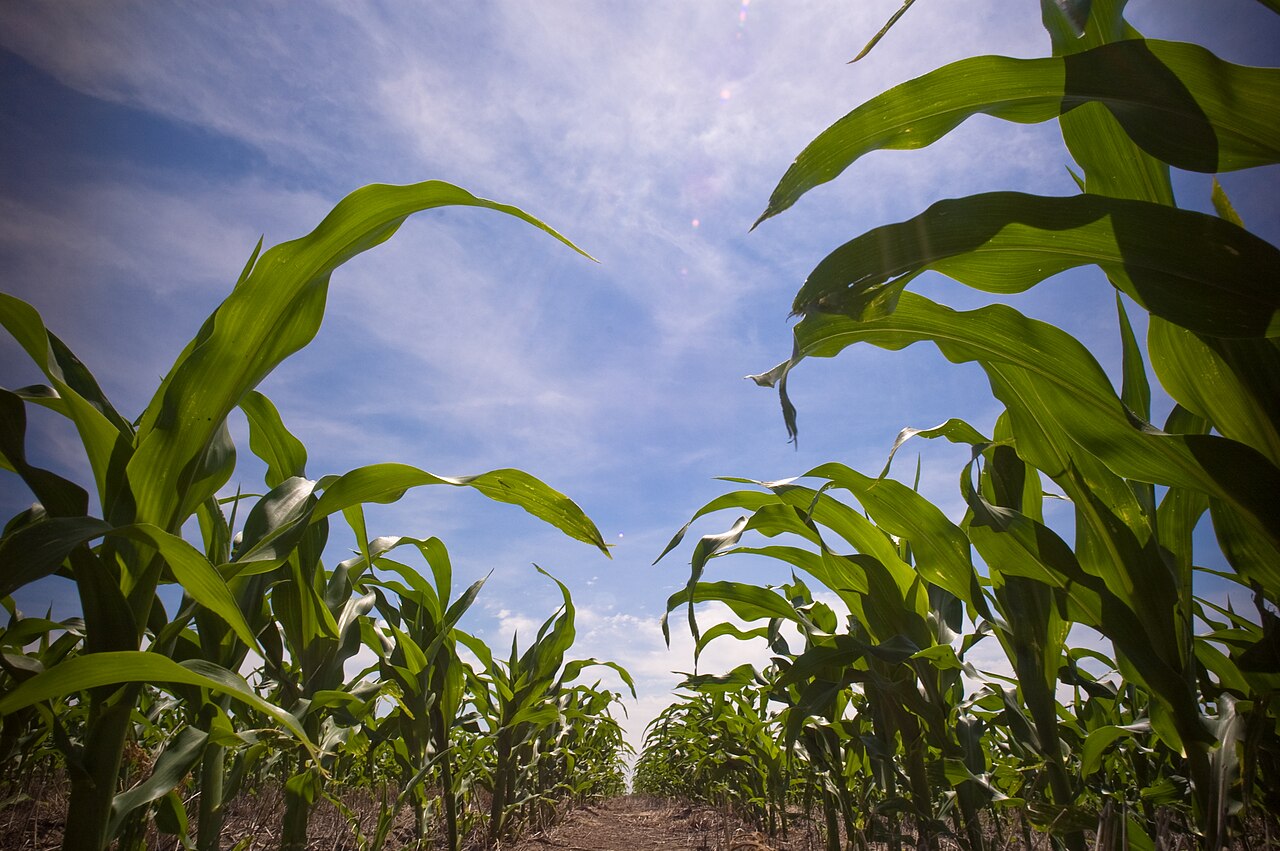
Corn's response to phosphorus fertiliser depends strongly on how much phosphorus the soil already holds, and South Dakota's current recommendation still holds up, a South Dakota State University (SDSU) study across 35 locations shows, Farms.com reports.
Jason Clark, assistant professor and SDSU Extension soil fertility specialist, worked with Jeffrey D. Svedin, Curtis J. Ransom and David E. Clay. From 2019 to 2022 they set up 117 monitoring sites in central and eastern South Dakota, comparing corn with no phosphorus against corn given a rate meant to reveal any yield response, and testing soil before planting. The question was whether no-till, cover crops, new genetics and higher yields had changed corn's phosphorus needs.
Relative yield rose with soil-test phosphorus but plateaued at about 18 parts per million, close to the state's critical level of 16 ppm. Some 57% of sites were below the critical level and were more likely to respond. Every site under 4 ppm responded to phosphorus, against only 33% of sites above 30 ppm.
Average gains were about 16 bushels an acre in the very low category, 21 in low, 16 in medium and 10 in high, and the difference between fertilised and unfertilised corn reached zero at about 27 ppm. In many high-testing fields, extra phosphorus adds cost without enough grain to pay for it.
The researchers concluded that the 16 ppm recommendation remains reliable and that soil testing should guide applications, though some fields above the critical level still responded, showing that other factors affect how corn reaches the nutrient.
Photo: Lars Plougmann / Wikimedia Commons (CC BY-SA 2.0)
Source: Farms.com

Comments
(0)