
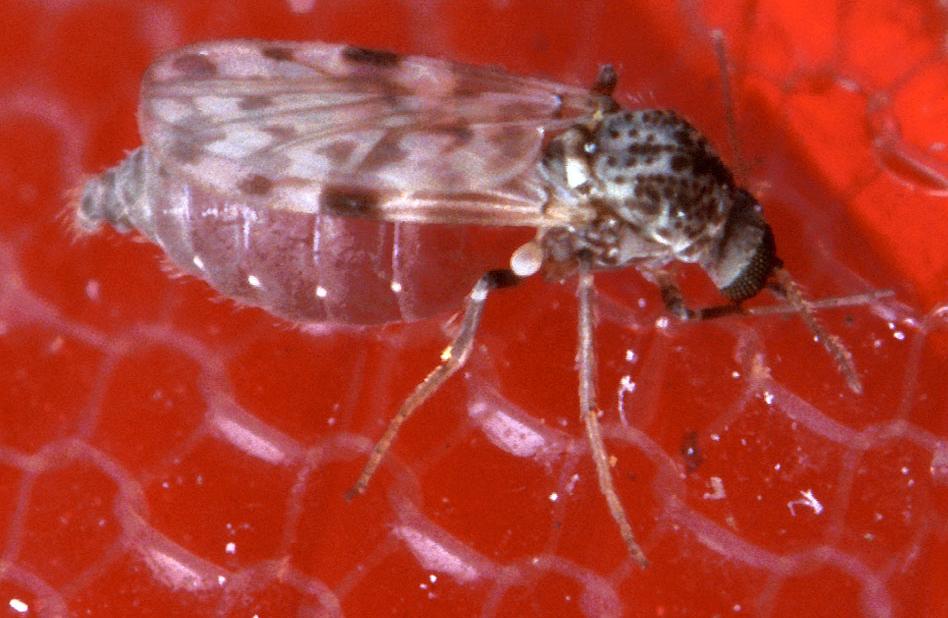
Scotland's bluetongue restricted zone will cover the whole country from Saturday 3 October, removing movement licence requirements for cattle, sheep and other susceptible livestock ahead of the busy autumn trading season, Farmers Weekly reports. The Scottish government agreed the change with farming organisations including NFU Scotland.
Animals can now move into, within and out of the former south-west Scotland zone without licences, which the government says will make trading much simpler for farmers, hauliers and auction marts. Some controls remain: animals showing clinical signs must not be moved, affected animals stay restricted to their premises for 60 days, and restrictions on movements to Northern Ireland stay in place.
Since the south-west zone was set up on 10 September, bluetongue has been found on 40 premises, four of them outside the zone through tracing of animal movements from affected farms.
Michael Priestley, policy manager at the National Sheep Association, backed simpler rules at this time of year because transmission risk falls as Culicoides midge activity drops with temperatures, but warned that "there is a trade-off" between less bureaucracy and a greater risk of the virus spreading. Neil Shand of the National Beef Association and Scottish Beef Association called the extension "the most logical way forward" but said vaccination is the only way to fully protect cattle.
Farming minister Jim Fairlie said vaccination remained "the single most effective way" to protect livestock and urged keepers to talk to their vet now to secure supplies before next year's higher-risk season. A joint government and industry group is being set up to promote vaccination. Bluetongue is notifiable, and suspected cases must be reported to the Animal and Plant Health Agency.
Photo: Scott Bauer, USDA ARS / Wikimedia Commons (Public domain)
Source: Farmers Weekly

Comments
(0)