
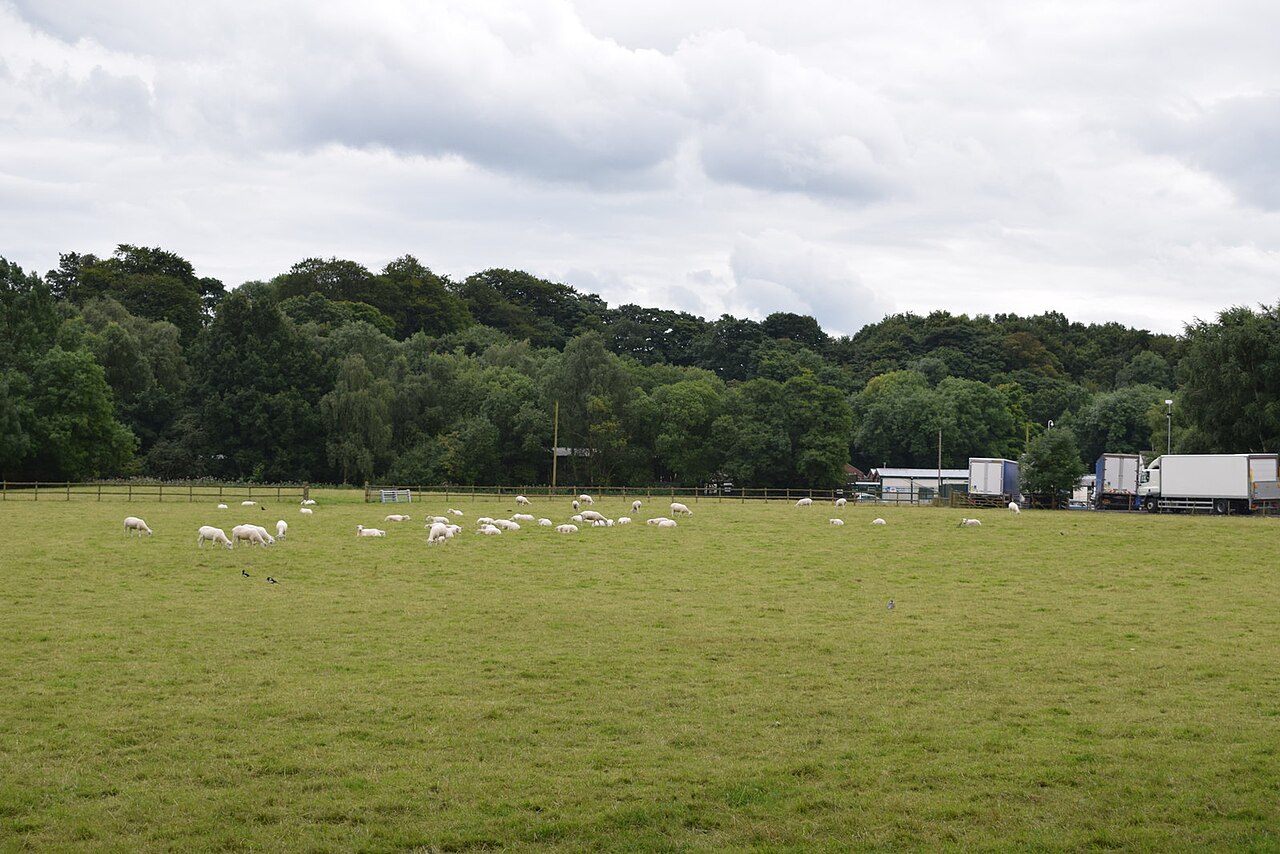
The Culicoides midge that spreads bluetongue can travel "up to 150km on the wind", Ireland's agriculture minister Martin Heydon warned on 2 October, urging farmers to vaccinate cattle and sheep, Agriland reports. The likely source of Ireland's first case is thought to have been infected midges blown across the Irish Sea in late 2025.
"In recent days, new cases of bluetongue have been detected in Dublin, Meath, Roscommon, Longford, and Waterford," Heydon said. The virus has also been reported in sheep flocks, and he urged sheep farmers in particular to consider vaccination with their vet. A day earlier the department had confirmed six new cases, adding Dublin, Waterford and Roscommon to the BTV-3 counties; cattle have been more affected than sheep so far.
Midges are most active between April and November, depending on temperature, but wind speed and direction affect how far they travel. Symptoms include crusty noses, drooling, mouth ulcers, watery eyes, lameness and crusty teats. Bluetongue is notifiable, and Heydon stressed the importance of sending unexplained deaths and samples from suspect animals for veterinary investigation.
Farmers who vaccinated this year should consider vaccinating calves born afterwards, as maternal antibodies wane, and should ask their vet when a booster is due next year. The department says bluetongue "does not affect human health or food safety: meat and dairy are safe to eat".
Photo: Trevor Harris / Wikimedia Commons (CC BY-SA 2.0)
Source: Agriland

Comments
(0)