
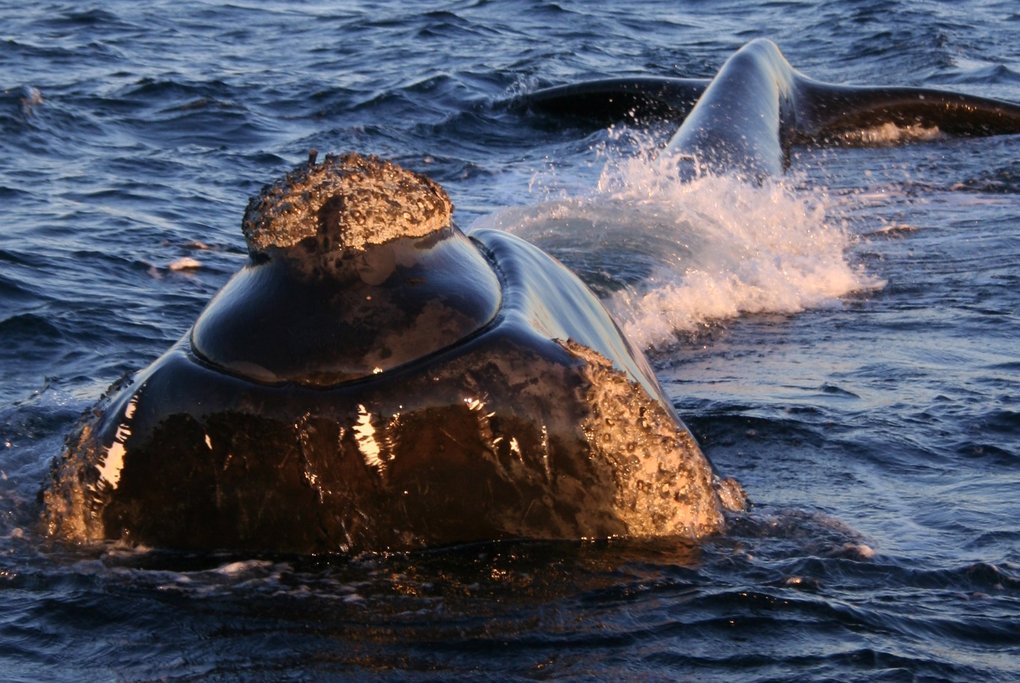
Dead whale calves have been washing up one after another on Argentina's Patagonian coast. Local people say the count has passed several hundred, and scientists have opened a formal investigation into the unusual deaths.
The carcasses are turning up on the dunes of Peninsula Valdés in Chubut province, one of the main breeding grounds of the southern right whale. Hunting in the 19th and 20th centuries pushed the species close to extinction; today the whales gather in these calm, protected waters to give birth and raise their young. Bodies have also washed up near the city of Puerto Madryn.
The investigation is led by Marcela Uhart, head of the Southern Right Whale Health Monitoring Program and a veterinarian at the One Health Institute of the University of California, Davis. She said the population has been monitored continuously for 23 years, and that record makes the team certain this year is abnormal.
The main suspect is the kelp gull, a seabird that pecks at whales lying at the surface to eat their skin and blubber. Adult whales have learned to keep their backs under water and lift only their heads to breathe, but calves have not. Researchers think marine bacteria are entering through the peck wounds and causing infection.
A team of biologists, veterinarians and park rangers is searching by beach patrol, boat, aircraft and drone, taking skin and organ samples before the bodies decompose and sending them to the veterinary school in Tandil. Bacteria have been found in the tissue, and cultures are under way to establish whether infection is the cause of death. The researchers say a true count will be clear when the season ends in late November.
If bacteria are to blame, the team will also look at why they turned so deadly this year, including whether warmer seas linked to climate change or El Niño are weakening the calves' immunity. Right whale numbers have been recovering slowly since international protection in 1935; repeated mass calf deaths could slow that recovery further, scientists warn.
The report is from Ittefaq's digital desk.
Photo: Michaël Catanzariti / Wikimedia Commons (public domain)
Source: Ittefaq

Comments
(0)