
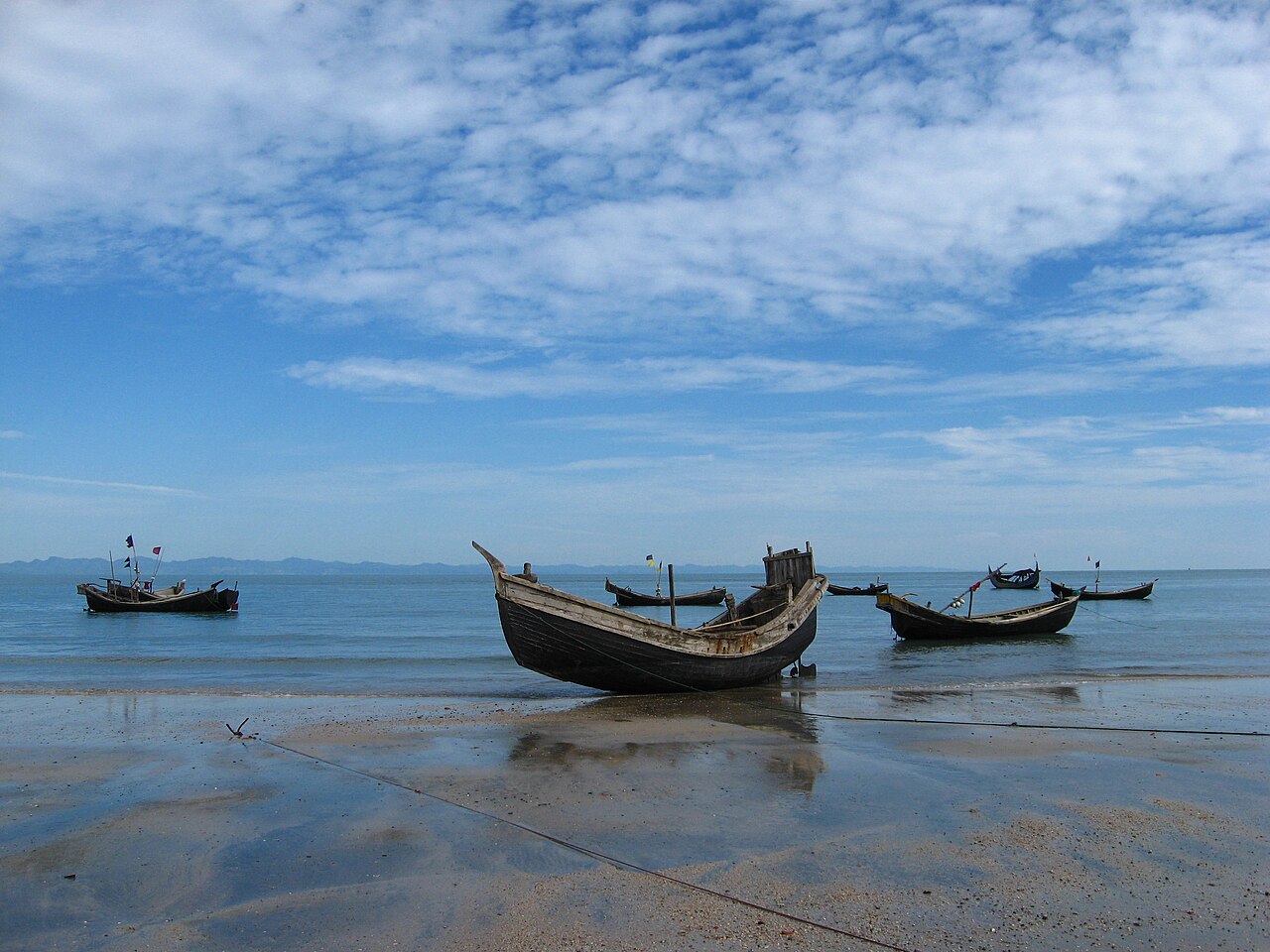
No tourists have reached St Martin's, Bangladesh's only coral island, this season. Even so, the beach at Chhera Dwip, the island's southernmost tip, is strewn with plastic bottles, polythene and other waste. Several bottles and packets carry the names, logos and lettering of companies in Myanmar and Thailand.
Abdul Aziz, a local Department of Environment worker, found the waste on Saturday. After examining it closely, he said most of the bottles appeared to have come from outside Bangladesh. With no visitors on the island, he said, the amount of rubbish was a surprise.
Local hotel owner Abdur Rahim said the same kind of waste had turned up in the island's keya (screw pine) thickets. He thinks strong monsoon currents and the southerly wind carried it ashore, and that waste from neighbouring countries could become a new threat to St Martin's.
Khandaker Mahmud Pasha, deputy director of the Department of Environment's Cox's Bazar office, said some of the collected logos appeared to belong to Thai soft-drink makers, while lettering on some packets looked Burmese. "This is a matter of great concern," he said: the department has limited tourism, run beach clean-ups and improved waste management, yet waste from other countries is now polluting the island.
If this much waste is reaching the shore, he added, a significant amount of plastic may also be settling on the seabed, where it could harm the coral and threaten the island's biodiversity. He will report the matter to senior officials and said a plan to tackle cross-border pollution is now urgent.
St Martin's lies about 9 km from Teknaf and is a declared Ecologically Critical Area. The report is by Samakal's Cox's Bazar correspondent Ibrahim Khalil Mamun.
Photo: Niaz Morshed Shovon / Wikimedia Commons (CC BY-SA 3.0)
Source: samakal

Comments
(0)