
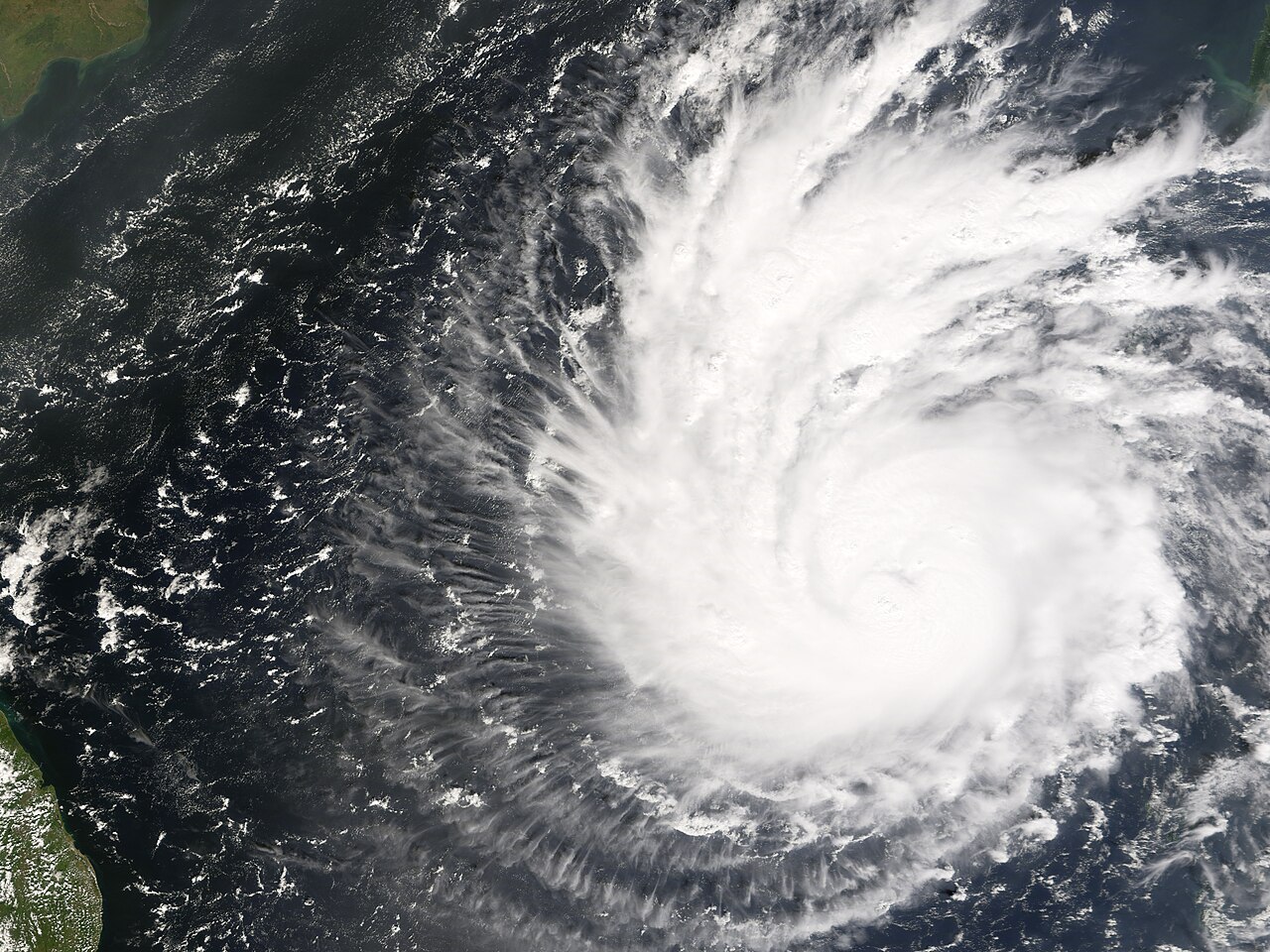
Bangladesh's coast has two cyclone seasons, April-May and October-November, and the second is the busier, meteorologists say. The Bhola cyclone of 12 November 1970, Sidr on 15 November 2007, Bulbul on 10 November 2019, Sitrang on 24 October 2022 and Midhili on 17 November 2023 all fell in it. This month Cyclone Akvan's rain has again put ripe Aman rice and potato fields at risk.
Meteorologists explain that after the monsoon the Bay of Bengal holds a great deal of heat, keeping sea surface temperatures favourable for cyclones. Meteorologist Abul Kalam Mallik said that when the sea surface reaches 26.5°C or more, conditions for a cyclone can develop, because a warm sea releases plenty of water vapour, the main source of a cyclone's energy. He added that such conditions do not always produce one.
The second factor is heat stored deeper in the sea, which feeds a cyclone. Air over large parts of the Bay also becomes more humid at this time, and low vertical wind shear lets a low-pressure system strengthen into a depression and then a cyclone. Cyclones in these two months are sometimes intense enough to become severe or super cyclones, Mallik said.
Much the same conditions explain why more cyclones form in April and May than in the rest of the year. Earlier this month Cyclone Murasu, which formed in the Bay, struck the coast of Andhra Pradesh in India.
For farmers, the peak season coincides with the Aman harvest and the planting of winter crops, so in these two months it pays to follow the Meteorological Department's forecasts, harvest ripe paddy quickly and be ready to drain fields.
This report draws on an explainer by Channel i Online, which also cites a BBC Bangla report.
Photo: NASA, Jesse Allen, MODIS Rapid Response / Wikimedia Commons (Public domain)
Source: Channel i Online



Comments
(0)