
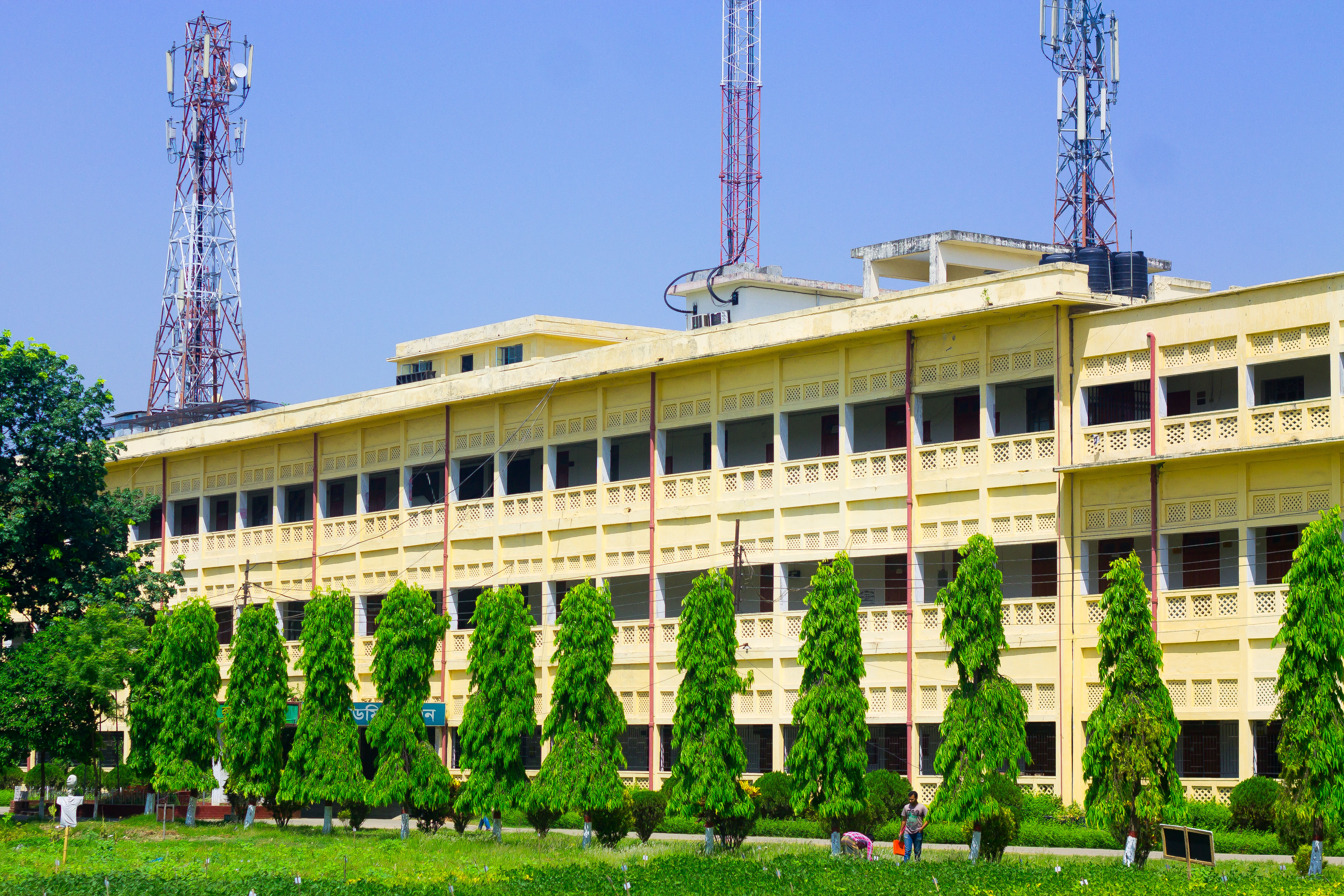
Sher-e-Bangla Agricultural University (SAU) held a training programme for marginal farmers on Sunday, 21 June 2026, at the Keraniganj Agricultural Training Centre in Dhaka, aimed at raising their incomes and financial security. Organised by the university's outreach programme department, it was titled "Bringing financial solvency to marginal farmers through sack ginger cultivation technology and onion production".
SAU is one of the oldest agricultural education institutions in South Asia. It was founded on 11 December 1938 as the Bengal Agricultural Institute and became a university under its present name in 2001. Its campus is in Sher-e-Bangla Nagar, Dhaka. Keraniganj, where the training took place, is an upazila of Dhaka District.
Who took part and what farmers learned
SAU pro-vice-chancellor Prof. Dr. Md. Belal Hossain was chief guest, and Keraniganj upazila agriculture officer Mohua Sharmin Munmun was special guest. Prof. Dr. Mohammad Jamshed Alam, director of SAU's outreach programme department, chaired the session. The trainers were Md. Shariful Islam, additional deputy director (crops) of the Department of Agricultural Extension (DAE), and Md. Nasir Uddin, monitoring officer of the B-Strong project and additional director (on deputation).
Participants received detailed guidance on:
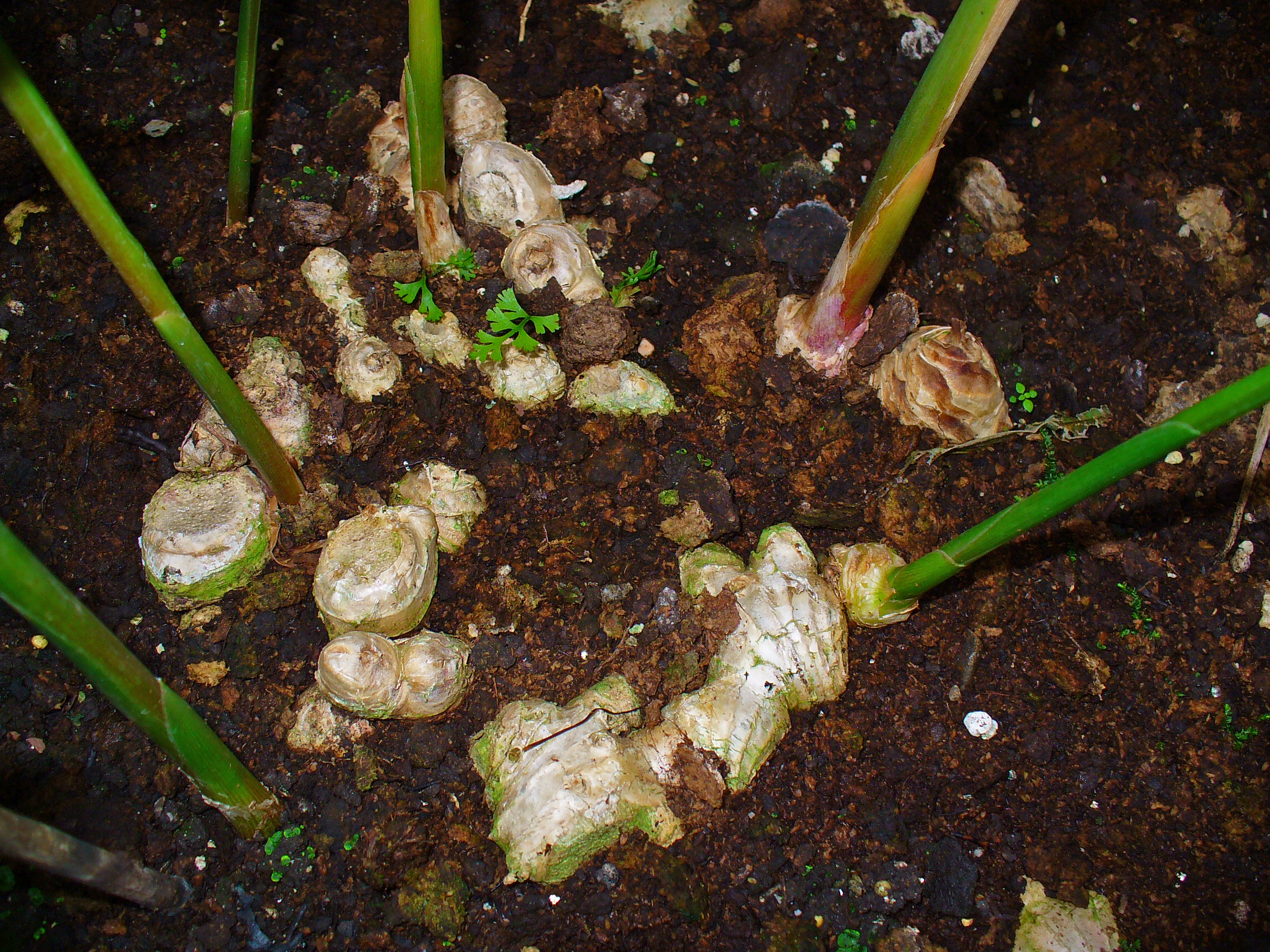
- practical techniques for growing ginger in sacks
- improved management of onion production
- applying modern agricultural technology
- marketing their produce
Prof. Belal Hossain said that growing ginger in sacks on limited land and producing onions with improved methods could be a profitable and sustainable venture for marginal farmers, cutting production costs, raising incomes and creating jobs. Prof. Jamshed Alam said such training would continue, to build farmers' skills and strengthen the rural economy through technology-based agricultural extension.
Why sack ginger mattered
Four days before the training, on 17 June 2026, the daily Samakal reported Ministry of Agriculture figures showing annual ginger demand of about 375,000 tonnes against production of about 255,000 tonnes, a shortfall of about 120,000 tonnes. Up to May of the 2025-26 fiscal year, 135,000 tonnes of ginger had been imported at a cost of about Tk 1,350 crore.
To close the gap, the ministry adopted a plan to become self-sufficient in ginger within three years. It aimed to expand cultivation on a total of 4,000 new hectares in Chattogram, Bandarban, Khagrachari and Rangamati and to spread sack-based growing in mango and litchi orchards, homesteads and fallow land, with a target of 148,000 tonnes of additional ginger. The same report said ginger had been grown in 2.8 million sacks in 40 districts under the Improved Spice Varieties and Technology Extension Project.
In November 2024, Dr. Ashikul Islam Niru, chief scientific officer at the Bangladesh Agricultural Research Institute's Spice Research Centre in Shibganj, Bogura, told Ajker Patrika that a sack needs 50 to 60 grams of seed ginger and costs Tk 50 to 60 from planting to harvest, and that even a yield of one kilogram per sack leaves the farmer a profit. Sacks can be placed around homesteads, along roadsides, in new orchards or anywhere with little shade, which makes the method suit farmers with little land.
Onion production in context
Onion is another of the country's main spice crops. Citing DAE data, The Daily Star reported on 25 May 2026 that Bangladesh produced 3.141 million tonnes of onions in fiscal year 2025-26, up from 2.990 million tonnes a year earlier. The same report described onions rotting for lack of storage and low prices hurting farmers, which is why storage and marketing matter as much as yield, and why marketing was part of the Keraniganj training.
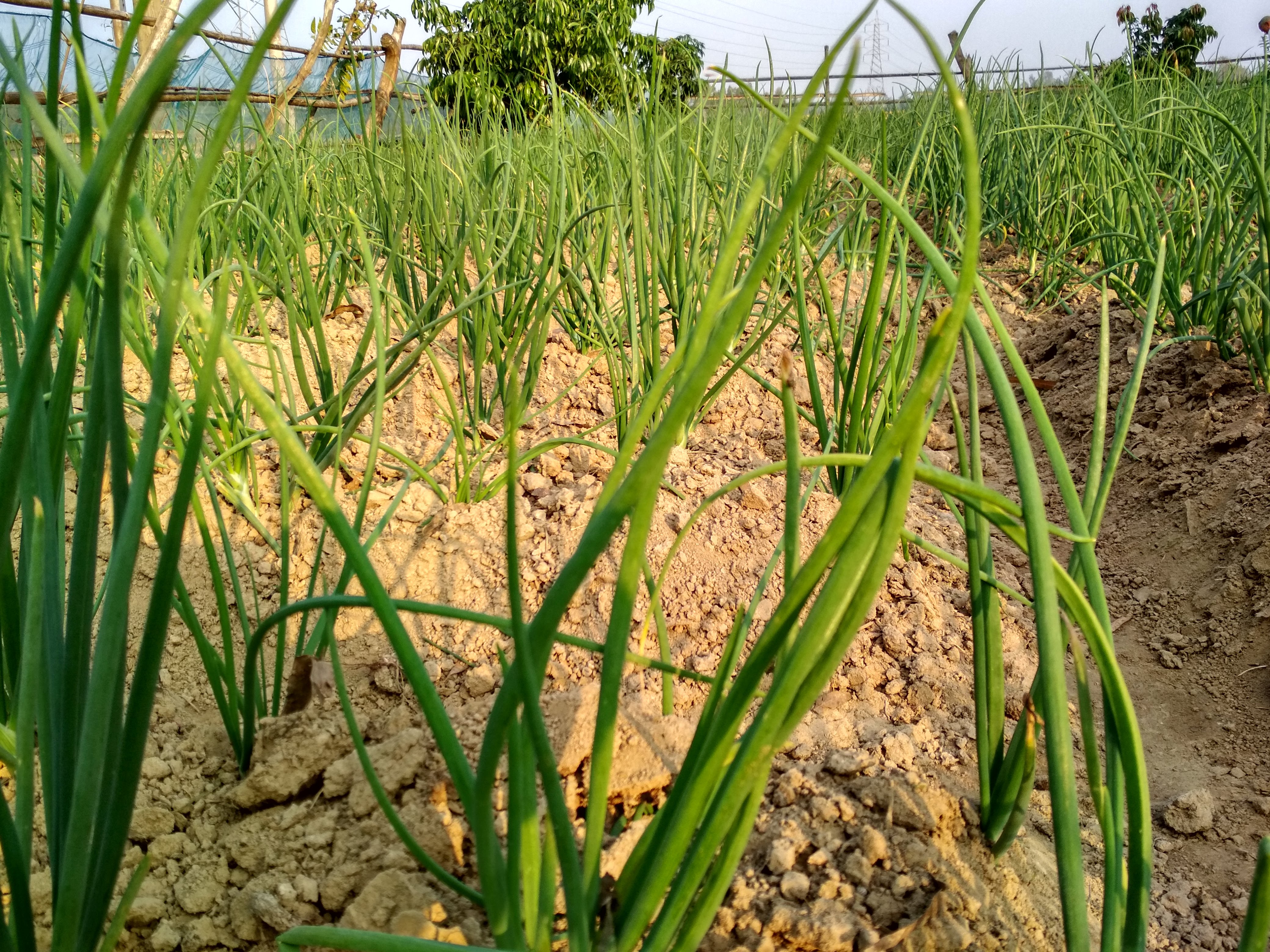
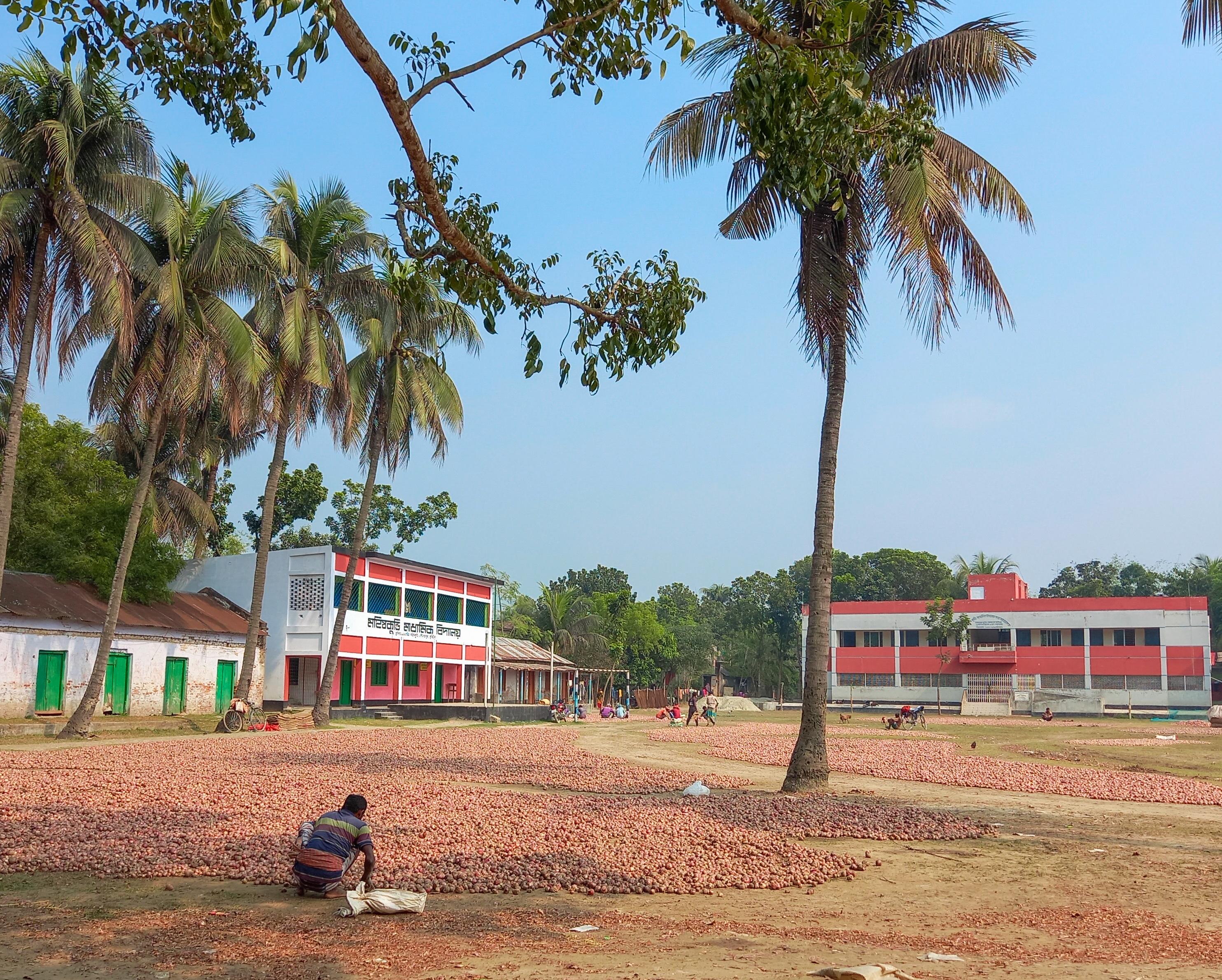
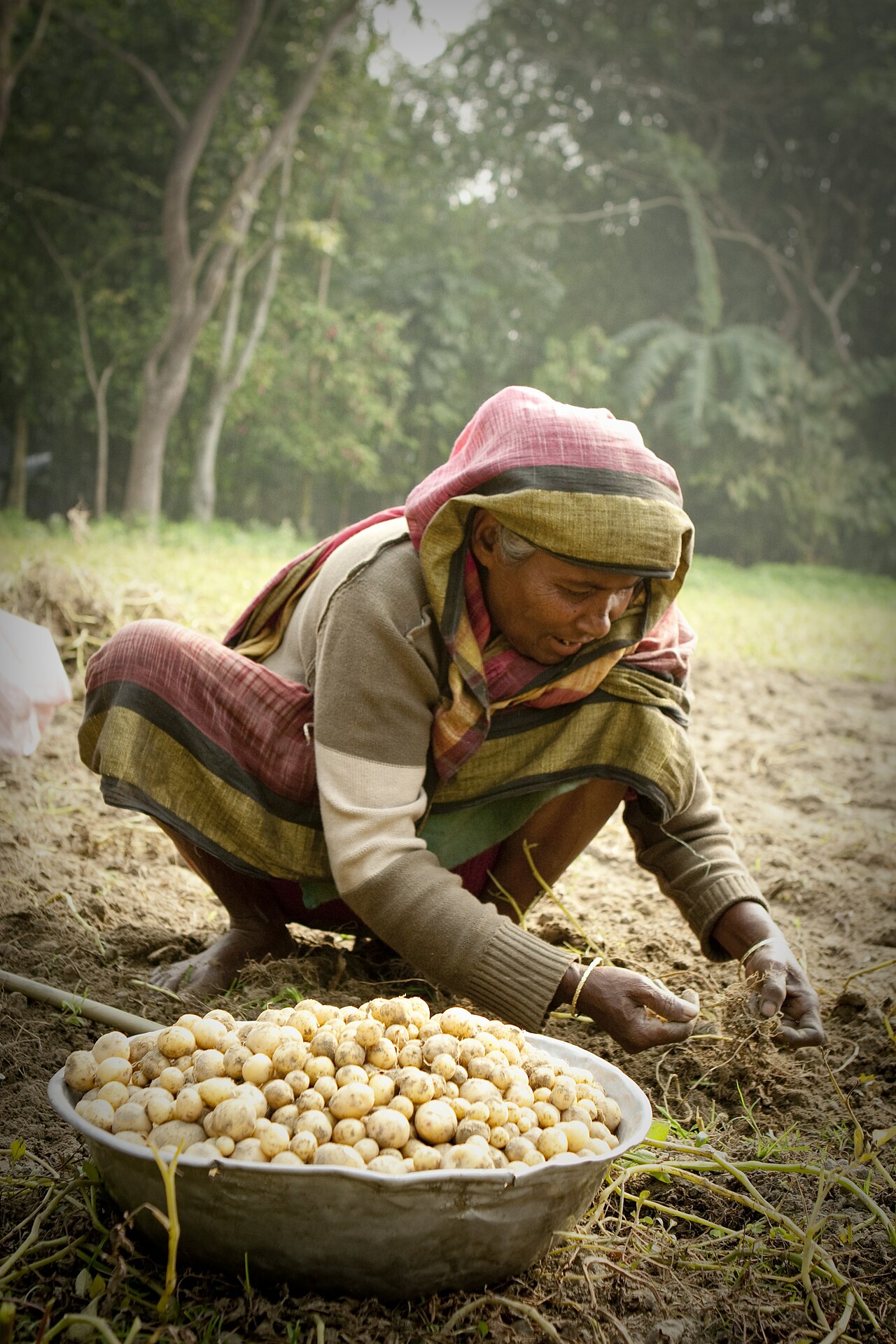
Photo: Jubair1985 / Wikimedia Commons (CC BY-SA 3.0)
Sources: Jagonews24, Samakal, Ajker Patrika, The Daily Star, Wikipedia
Comments
(0)