
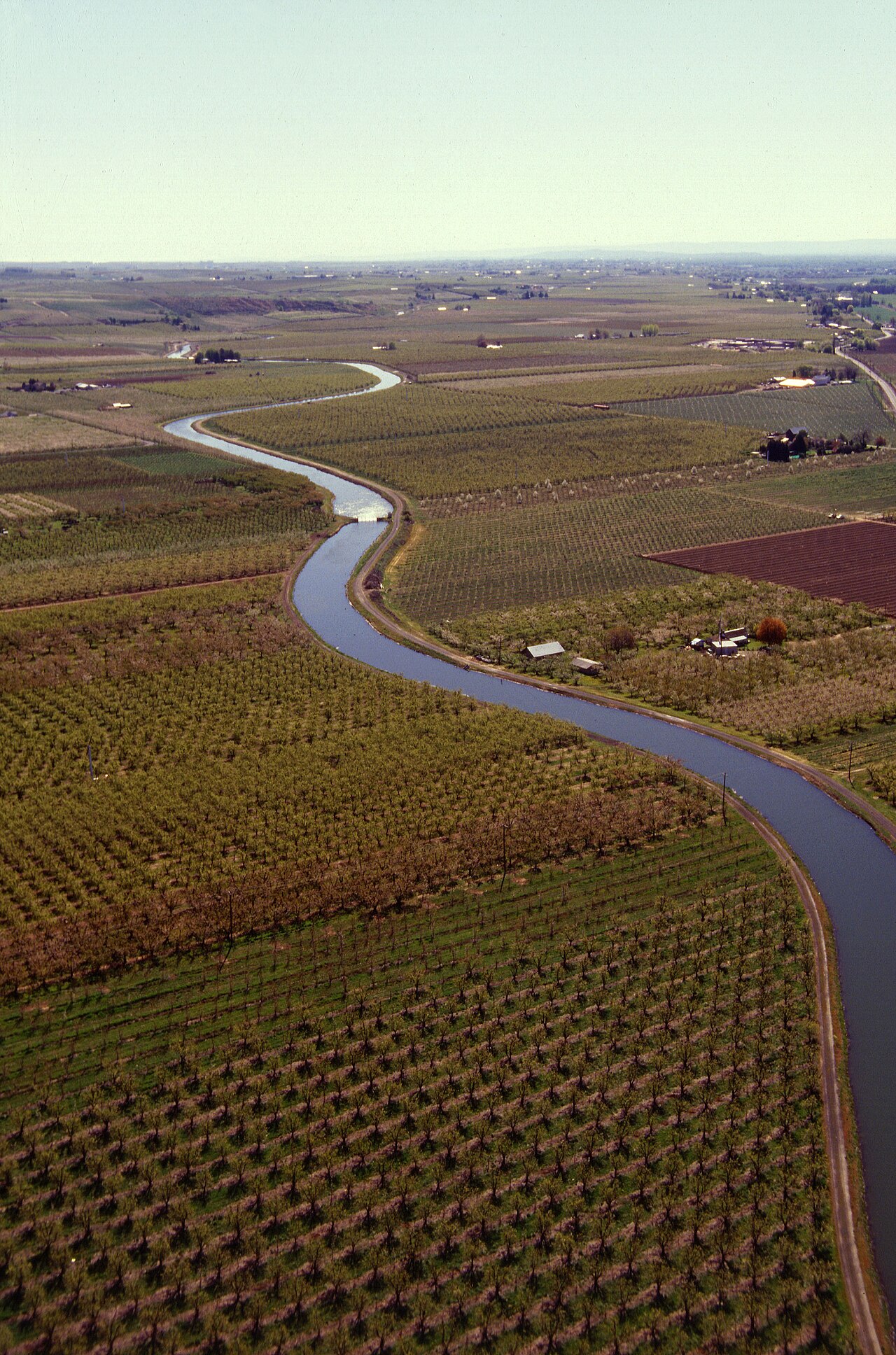
Reservoir, a US company that places agricultural robotics startups on working farms to build and test their machines, is opening a site in Washington's Yakima Valley. Reservoir Farms Washington is due to open in spring 2027, and the company says its membership has passed 30 startups.
The new site follows Reservoir's farms in Salinas and Sonoma, California, and Yuma, Arizona. Its partners are the Washington Tree Fruit Research Commission, the North American Blueberry Council and the Tri-City Development Council, which is providing financial support. Reservoir is also exploring a partnership with Washington State University's Prosser Irrigated Agriculture Research and Extension Center.
Work in Washington will start with apples, pears, cherries and cultivated blueberries, with testing in wine grapes and hops to follow and row crops planned later. Reservoir said blueberries combine nearly every problem its startups work on: a labour-intensive harvest that is hard to mechanise without damaging the fruit, and constant disease and pest pressure. For Washington apples, labour accounts for 50% to 57% of orchard variable costs.
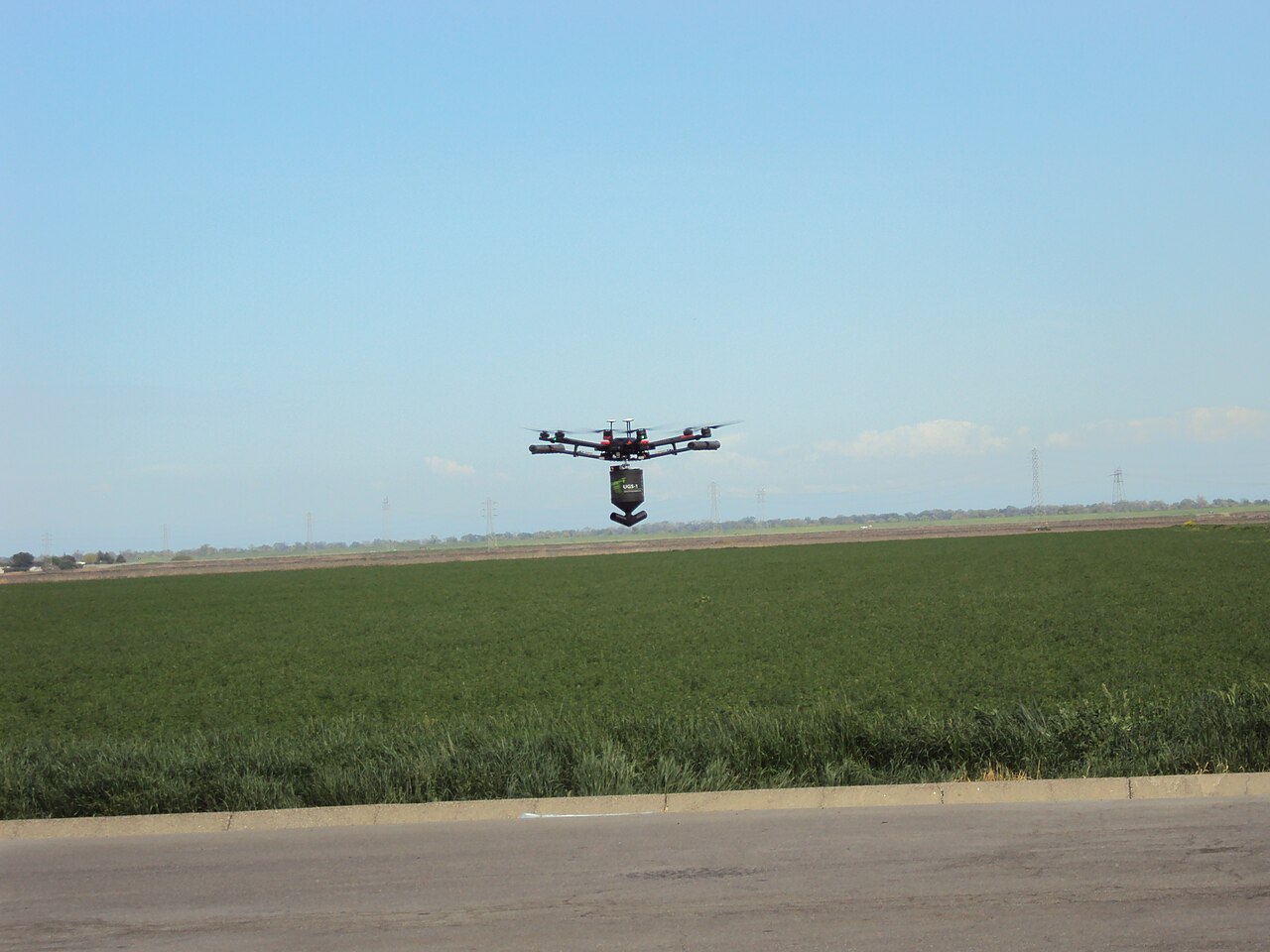
Four member companies will join the Washington site: Bonsai Robotics, which builds AI-powered farm robots; Sky Sense, which uses drones to keep birds off crops; Cordon, a precision-spraying company; and Rootline Robotics, which kills weeds with electricity. Reservoir invested in Rootline's pre-seed round, and the company is prototyping in Sonoma County.
"A machine that hasn't been through a Washington growing season isn't ready for one," said Ines Hanrahan, executive director of the Washington Tree Fruit Research Commission, adding that growers will not adopt technology that was not developed or tested locally.
Reservoir founder Danny Bernstein told AgFunderNews that better perception, edge computing and AI, together with off-the-shelf hardware and software, now let startups assemble and test machines in under six months. He said Reservoir is more interested in "extremely novel components" than in companies building a whole machine, and gave the example of a weeding tool such as Rootline's being added to robots already working in fields.
The company has commitments of $10 million over three years from John Deere and a $1.5 million, three-year partnership with Western Growers. Bernstein said Reservoir, which soft-launched in Salinas in 2025, is profitable this year and expects more than $5 million in annual recurring revenue in 2026. Membership ranges from a free tier for startups that want insured access to farms for testing to a $6,000-a-month package that includes office space, equipment storage and its precision workshop.
Photo: Brian Prechtel / Wikimedia Commons (Public domain)
Source: AgFunderNews

Comments
(0)