
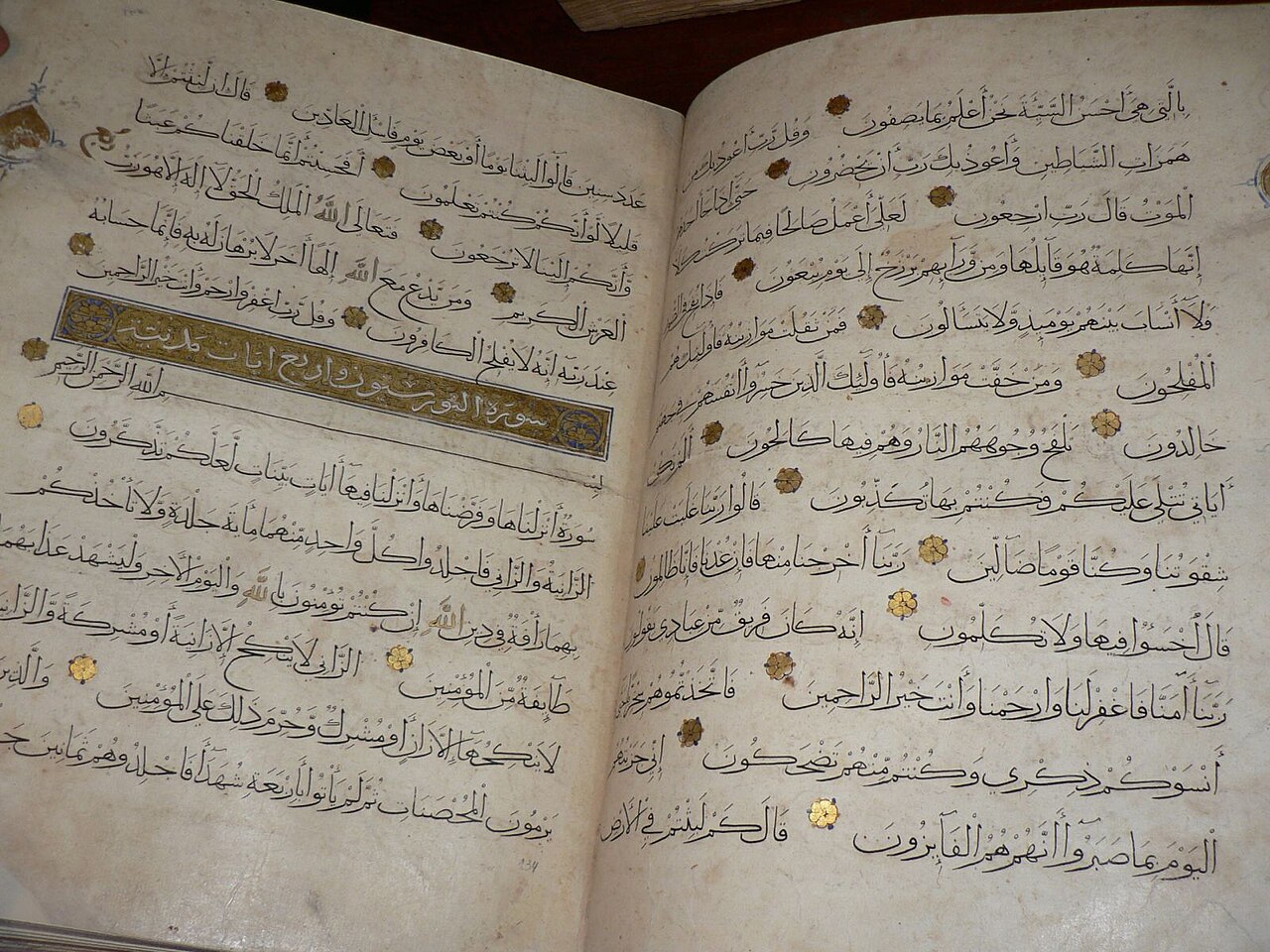
People try in many ways to please others, yet true success in this world and the next depends on the pleasure of Allah. Surah At-Tawbah, verse 72, says that the pleasure of Allah is the greatest thing, and that this is the supreme success. Starting from that verse, Banglanews24's Islam page sets out ten deeds that, in the light of the Quran and hadith, please Allah most.
The first is sincere repentance. Surah Al-Baqarah, verse 222, says Allah loves those who repent often and those who purify themselves. A hadith in Sahih Muslim (2747) says Allah is more pleased with His servant's repentance than a man who finds his lost mount in the desert. The second is performing the obligatory acts of worship properly: in Sahih al-Bukhari (6502), Allah says that of the deeds by which His servant draws near to Him, the dearest to Him are those He has made obligatory.
The third is taqwa, mindfulness of God. Surah Al-Hujurat, verse 13, says the most honoured in the sight of Allah is the one with the most taqwa. The fourth is good conduct towards people: kindness to parents, keeping family ties, looking in on neighbours and helping those in need. Surah Al-Baqarah, verse 195, says Allah loves those who do good.
The fifth is patience. Surah Al Imran, verse 146, says Allah loves the patient. A hadith in Sahih Muslim (2999) calls the believer's affair wondrous: in ease he gives thanks and in hardship he is patient, and both are good for him. The sixth is spending in the way of Allah and helping the needy. Sahih Muslim (2699) says that whoever relieves a believer of one hardship of this world, Allah will relieve him of one hardship on the Day of Resurrection.
The seventh is restraining anger and forgiving others. Surah Al Imran, verse 134, praises those who restrain their anger and pardon people. Sahih Muslim (2588) says charity does not reduce wealth and that Allah raises the honour of one who forgives. The eighth is trust in Allah: Surah Al Imran, verse 159, says Allah loves those who put their trust in Him. The piece explains that tawakkul does not mean sitting idle, but leaving the outcome to Allah after doing all one can.
The ninth is justice and fairness. Surah Al-Maidah, verse 42, says Allah loves those who act justly, and the piece calls for fairness in the family, society, trade and public life. The tenth is voluntary worship: the night prayer, voluntary prayers and fasts, recitation of the Quran, remembrance of God and supplication. In the same hadith of Sahih al-Bukhari, Allah says His servant keeps drawing near to Him through voluntary deeds until He loves him. The piece explains this as Allah guiding the servant to what He loves and protecting him from what He dislikes.
Photo: Hayri Brahimbashev / Wikimedia Commons (CC BY-SA 3.0)
Source: Banglanews24

Comments
(0)