
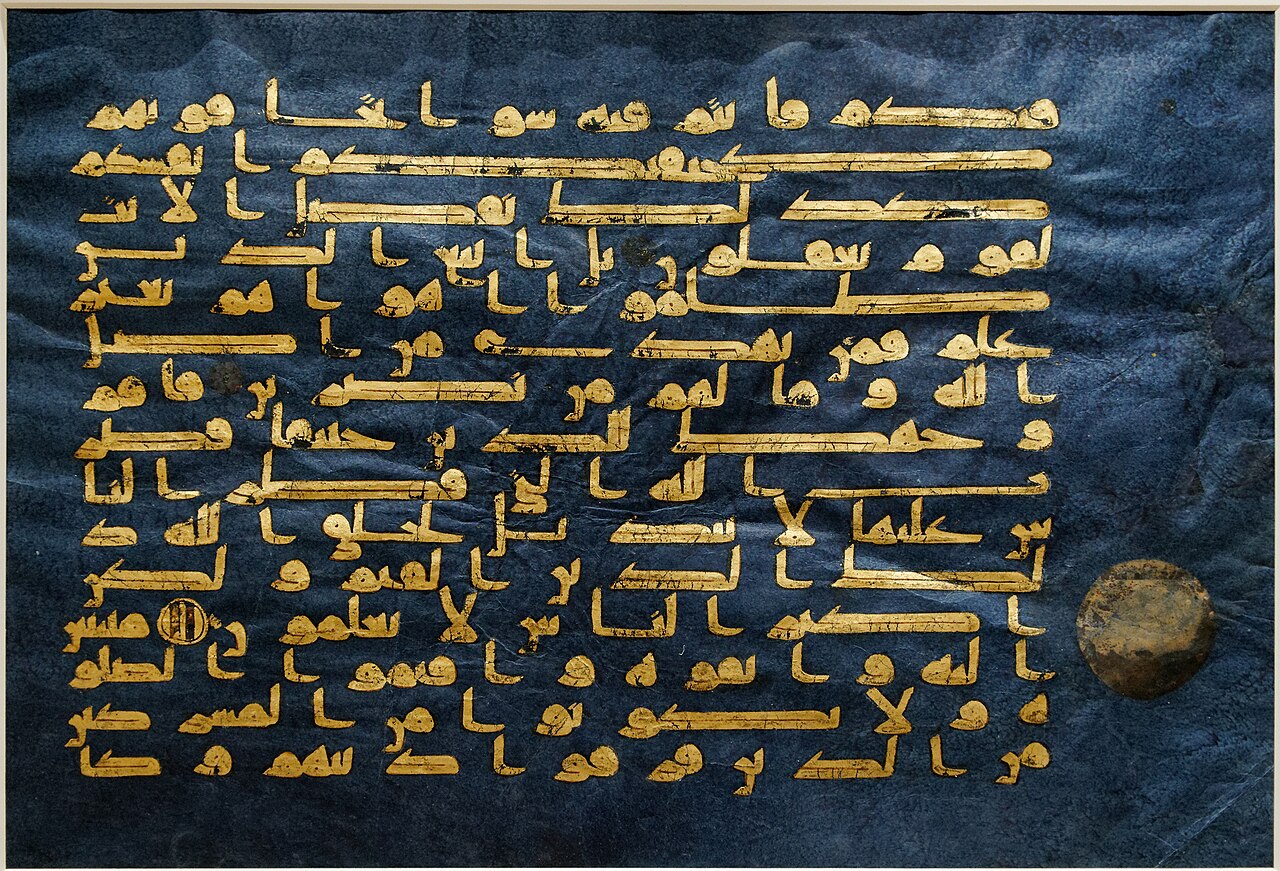
Prothom Alo's religion desk has written on how the Quran describes the stages by which a child is formed in the mother's womb. The piece notes that the stages of embryonic development were mapped only recently, with the microscope and ultrasound, while the Quran names them.
On the first stage, God says in Surah Al-Insan (also called Ad-Dahr), verse 2, that He created man from a mixed drop, nutfatun amshaj. The Arabic amshaj means mixed. The desk reads this as the union of sperm and egg: an embryo begins from neither alone, but from the two together.
The embryo then attaches to the inner wall of the womb. Surah Al-Muminun, verse 14, calls this stage alaqah, an Arabic word with three meanings: a leech, something that clings, and a clot of blood. The piece explains that at this stage the embryo hangs from the wall of the womb and draws its nourishment from the mother's blood.
The same verse names the next stage mudghah, meaning a morsel of flesh that has been chewed. It goes on to describe the mudghah being made into bones and the bones clothed with flesh. Citing the commentary of Ibn Kathir, the desk writes that the skeleton forms at this stage and is then covered by muscle and sinew.
Surah Az-Zumar, verse 6, speaks of creation in the womb in stages within three darknesses. The piece explains these as the wall of the mother's abdomen, the wall of the womb and the amniotic sac.
In a hadith of Sahih al-Bukhari (3208), the Prophet Muhammad (peace be upon him) said that each person is gathered in the mother's womb for 40 days as a nutfah, then 40 days as an alaqah, then 40 days as a mudghah, after which an angel is sent to breathe the soul into it. On this basis the desk writes that after 120 days of pregnancy the embryo attains the standing of a complete life. The Quran describes this stage with the words: then We brought it forth as another creation (Surah Al-Muminun, verse 14).
Photo: Unknown, Fatimid period / Wikimedia Commons (CC BY 2.5)
Source: Prothom Alo

Comments
(0)