
In Islamic belief the end of the world, the Qiyamah, will come at an appointed time with the blowing of the trumpet, and no one but God knows when. The Prophet Muhammad (peace be upon him) nevertheless told his community of signs that would come before it. Writing in Prothom Alo's religion pages, Ehsan Siraj explains that scholars divide them into major signs, such as the coming of the Dajjal and the descent of the Prophet Isa, and minor signs that can be seen in everyday life.
The first is shepherds competing to build tall buildings. In the Hadith of Jibril, when the angel asked about the signs, the Prophet said that barefoot, poorly clothed and needy shepherds would one day compete in raising lofty buildings (Sahih Muslim, hadith 8).
The second is the loss of trust. When a Bedouin asked when the Hour would come, the Prophet said to wait for it when trust is lost. Asked how trust would be lost, he said: when a task is entrusted to someone unfit for it (Sahih al-Bukhari, hadith 59).
The third is the taking away of religious knowledge and the spread of ignorance. Sahih al-Bukhari, hadith 80, says that religious knowledge will be taken away, ignorance will spread, drinking will increase and adultery will become open. The writer explains that knowledge is taken away through the passing of true scholars, after which people take the ignorant as leaders and follow their mistaken explanations.
The fourth is time passing ever faster. A hadith in Sunan al-Tirmidhi (2332) says a year will pass like a month, a month like a week, a week like a day, a day like an hour and an hour like the flare of a fire. The fifth is widespread killing: Sahih Muslim, hadith 2908, describes an age when the killer will not know why he kills and the one killed will not know why he was killed.
The writer says these minor signs are a warning to believers. Rather than despair or fear at seeing them, he writes, the teaching of Islam is to seek forgiveness often and to purify one's own deeds in readiness for the final reckoning.
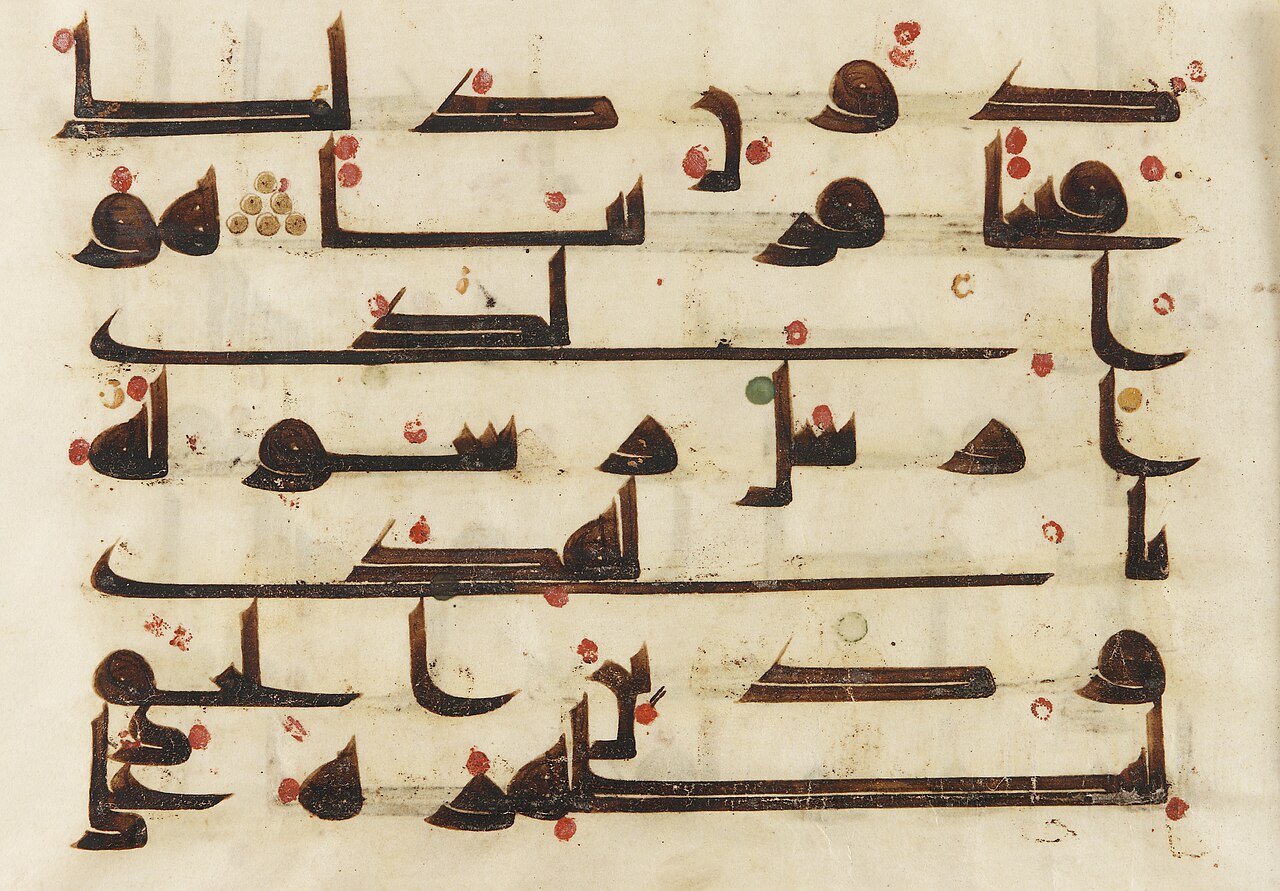
Photo: Unknown, Abbasid period / Wikimedia Commons (public domain)
Source: Prothom Alo

Comments
(0)