
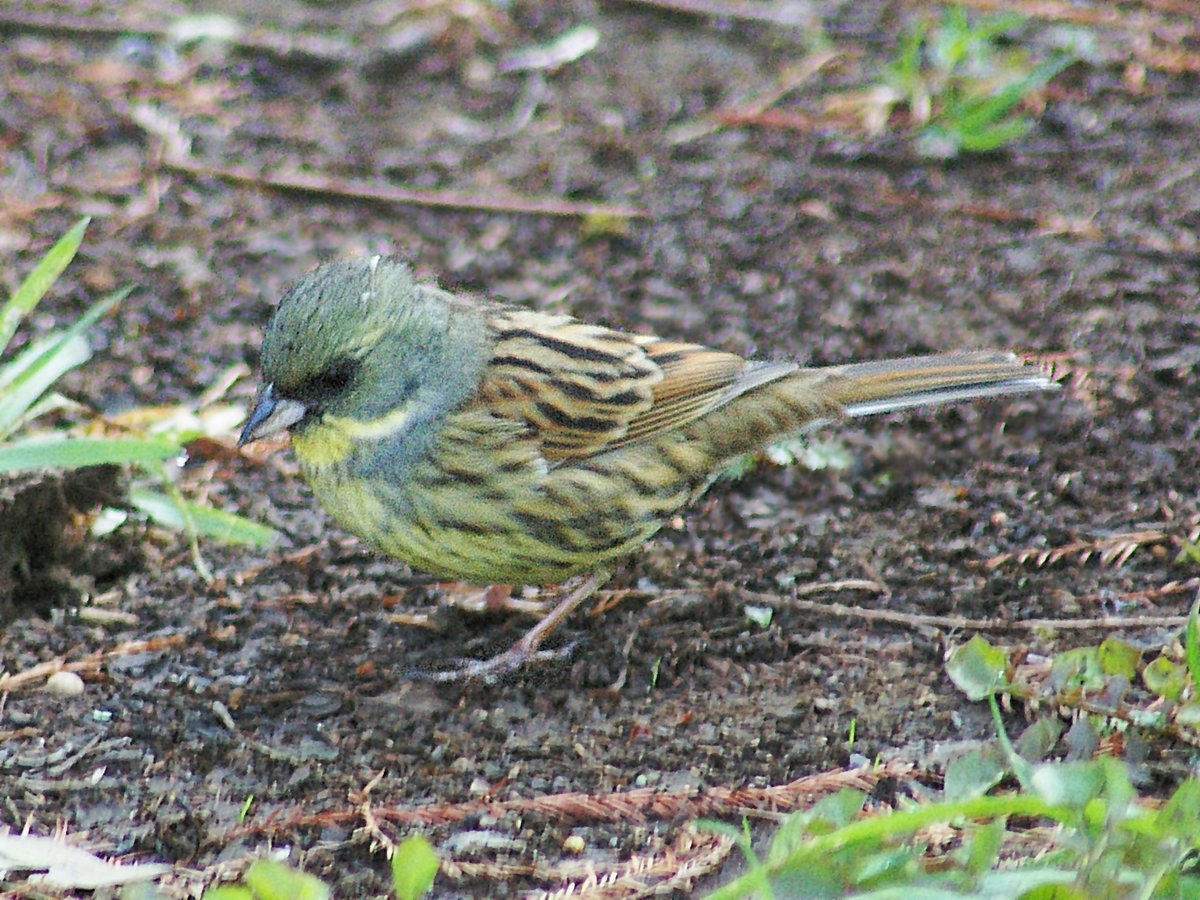
A dark-faced, sparrow-like rare migrant is the subject of a Prothom Alo piece by A N M Aminur Rahman, a specialist in bird and wildlife breeding and medicine at Gazipur Agricultural University. Its Bengali name is bogheri; in English, the black-faced bunting.
He first saw the bird on 12 February 2022 beside the Chotainna canal at Tanguar Haor, and again on 25 November that year at a small bird sanctuary in the Kurma tea estate, Kamalganj, Moulvibazar. A failed hard drive took those photographs, and later visits found nothing.
On 25 January 2025, invited by Sylhet bird conservationist Shamim Khan, he went to Boro Haor in Kanaighat to look for the very rare common crane. Clouds and rain and some 14 kilometres of walking produced no cranes. But late in the afternoon, back on the paved road near a bridge, he saw the black-faced bunting perched on a power line and took his pictures.
The bird ranges from southern Siberia to northern China and winters in Bangladesh, north-east India, southern China and the north of South-East Asia, he writes. It is 13.5 to 16 cm long and weighs 13 to 27 grams; males and females differ in plumage, and the colours fade outside the breeding season.
In winter it is found in Bangladesh's north-east, north, north-west and centre, alone, in pairs or small groups, in tall grass by wetlands, scrub and rice fields. It eats grass seed, grain and insects and keeps to cover.
It breeds from May to June in Siberia and northern China, building a small cup of grass on the ground or at the base of low bushes and laying 4 to 5 eggs, which hatch in 12 to 14 days; chicks fly in 9 to 14 days. It lives about four years.
Written by A N M Aminur Rahman, bird and wildlife breeding and medicine specialist, Gazipur Agricultural University.
Photo: Male black-faced bunting (Japan), Materialscientist / Wikimedia Commons (CC BY-SA 3.0)
Source: Prothom Alo




Comments
(0)