
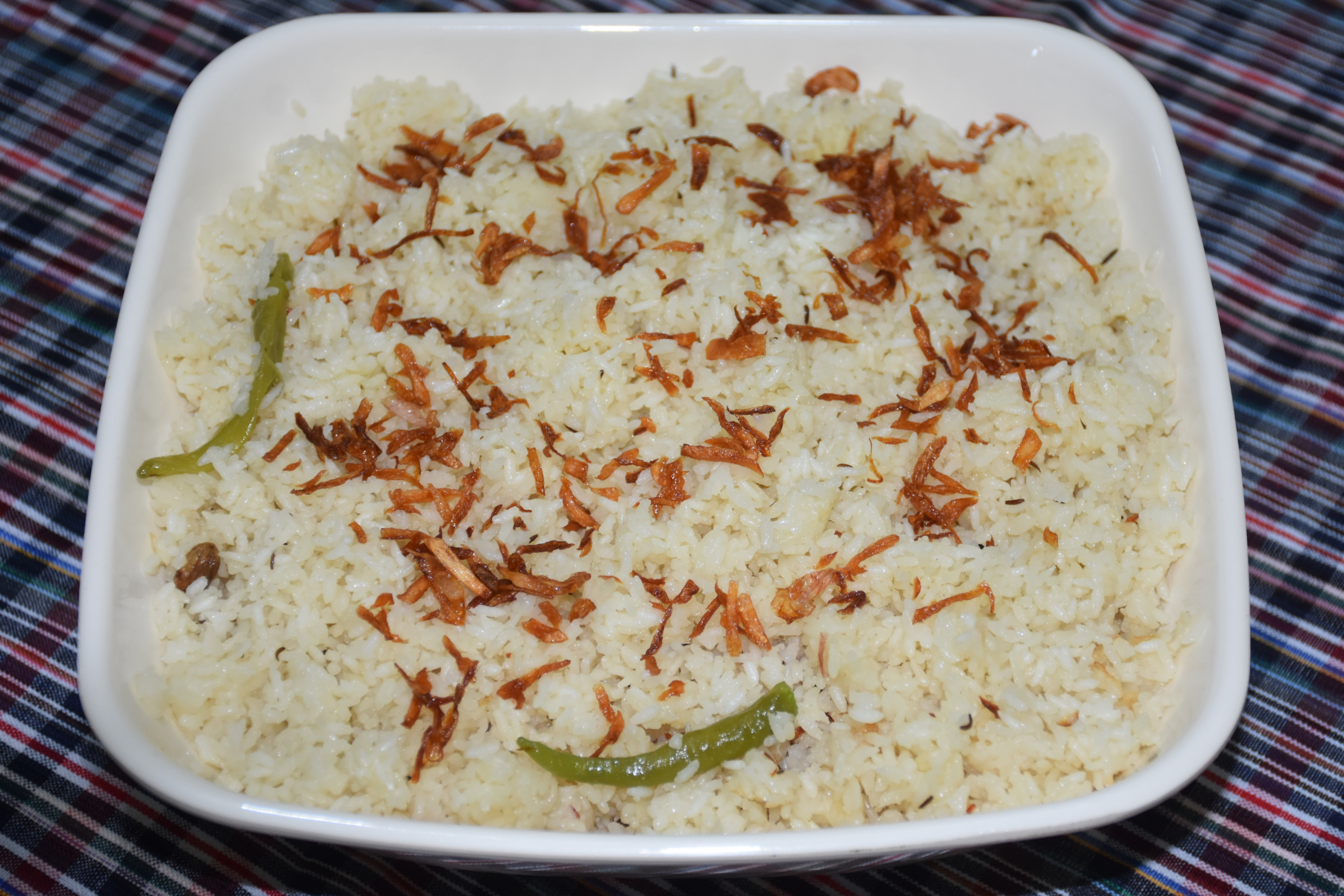
On Friday 27 March 2026, the lifestyle desk of the Bengali news site Jagonews24 published a recipe for a quick egg pulao (dim polao). It was written for readers who spend their day off tidying the house, washing the week's clothes and doing other chores, and who do not always have the time or the chance to cook. The dish brings together polao rice, boiled eggs that are rubbed with turmeric and salt and fried golden, a masala of onion, tomato, ginger and garlic, milk, ghee and whole spices, and it is finished on low heat for 10 to 15 minutes. The paper described it as simple to make and a dish whose taste would please everyone.
This report gives the recipe exactly as Jagonews24 published it and adds background from Bangladeshi and international authorities on the dish and what goes into it: what polao is and where the word comes from, the aromatic rice it is made with, the eggs Bangladesh produces, the spices and flavourings in the pot, the nutrient values that the national food composition table gives for similar foods, and the advice of food-safety bodies on handling eggs and leftovers.
The recipe as Jagonews24 published it
The original lists nineteen ingredients. The quantities below are the paper's own. Cups and spoons are household measures, not weights, and the recipe does not say how many people it serves.
- Polao rice: 2 cups
- Boiled eggs: 5
- Chopped tomato: 1 cup
- Chopped onion: 1 cup
- Green chillies: 5
- Red chilli powder: 1 teaspoon
- Cumin powder: 1 teaspoon
- Ginger paste: 1 tablespoon
- Garlic paste: 1 tablespoon
- Cardamom: 4 or 5
- Cinnamon: 2 pieces
- Bay leaves: 3
- Nutmeg powder: half a teaspoon
- Milk: 2 cups
- Ghee: 2 tablespoons
- Oil: 2 teaspoons
- Fried onion (beresta): 2 tablespoons
- Water: as needed
- Salt and sugar: to taste
Method
- Heat the oil in a pan on the stove.
- Rub the boiled eggs with a little turmeric and salt, fry them until golden and lift them out.
- In the same oil, fry the chopped onion with the bay leaves, cardamom and cinnamon.
- When the onion turns light brown, add the ginger paste, garlic paste, chopped tomato, salt and all the ground spices, and fry the mixture well (kosha).
- Add the rice and fry it for a while.
- Pour in the milk and boiling hot water.
- When the water has come to the boil and mixed with the rice, add the boiled eggs.
- Sprinkle over kewra water, cover with a lid and leave on low heat (dum) for 10 to 15 minutes.
- When it is done, scatter the fried onion and the ghee over the top and take the pan off the heat. Arrange it nicely and serve.
Three points in the original are worth noting before cooking. The method uses a little turmeric and some kewra water, but neither appears in the ingredient list, and the paper gives no amount for either. The list includes five green chillies, but the method does not say when they go into the pot. And the water is left 'as needed': the recipe gives two cups of milk for two cups of rice without stating the total amount of liquid. These are the paper's own instructions, given here as published and without additions.
What polao is
Banglapedia, the national encyclopedia published by the Asiatic Society of Bangladesh, explains the everyday words first in its entry on rice: husked paddy is chal, and cooked chal is bhat. It then describes polao, morog-polao, biriani and tehari as special dishes of aromatic small grains cooked with chicken, beef, mutton, butter oil and spices, and khichudi as rice cooked with pulses.
The word itself has travelled a long way. According to the summary of the Oxford English Dictionary quoted in reference works, the English word pilau, first recorded in 1609, came from the Persian pulaw, which in turn came from the Hindi pulav, a dish of rice and meat, and ultimately from the Sanskrit pulaka, a ball of rice. Food historians link the spread of this way of cooking rice to the period of the Abbasid Caliphate, when it travelled across a vast territory from South Asia to Spain; the same family of dishes includes the Turkish pilav, the Persian polow and the Spanish paella.
In Bangladesh, polao is regarded as a ceremonial dish and is cooked with aromatic rice. The general method, as reference works describe it, is to fry the rice in oil or clarified butter with onion, fresh ginger and whole aromatic spices such as cardamom, cinnamon and black pepper, then cook it in stock or water, first boiling and then steaming it. It is finished with a little more clarified butter and a fragrant essence such as rose water or kewra water, and fried onion, known as beresta, is sprinkled on top for presentation.
The Jagonews24 egg polao follows that pattern closely: whole spices and onion fried in oil, the rice fried before the liquid goes in, a covered spell on low heat, and ghee, beresta and kewra water to finish. What it adds are the eggs, fried first and returned to the pot, a tomato masala with ground spices, and milk as part of the cooking liquid.
Bangladesh's own food composition table contains a plain pulao recipe that shows the proportions in a simple version. The Food Composition Table for Bangladesh, published in June 2013 by the Institute of Nutrition and Food Science (INFS) at the University of Dhaka with support from the Ministry of Food, FAO and USAID, lists 150 g of atap rice, 5 g of onion, 10 g of soybean oil, 2 g of cardamom, cinnamon and bay leaf together, 1 g of ginger and garlic paste, 2 g of salt and 345 g of water for three servings. The rice is washed thoroughly, sauteed with the oil and spices for about five minutes, and covered after hot water is added until it is cooked.
The rice: Bangladesh's aromatic varieties
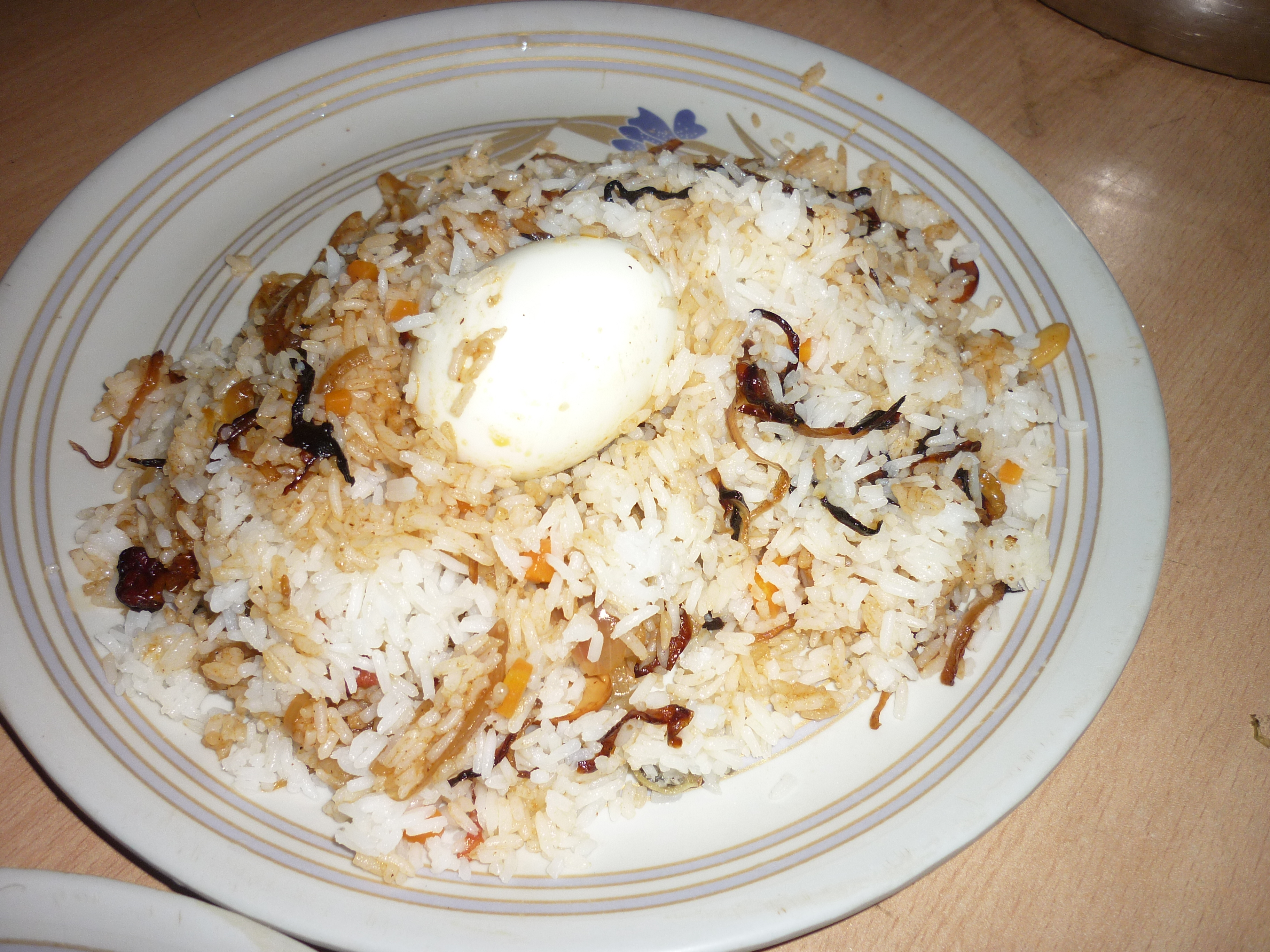
The 'polao rice' of the recipe is the small-grained aromatic rice sold in Bangladeshi markets. A study of the country's aromatic and fine rice, published in The Scientific World Journal in 2016 by scientists of the Genetic Resources and Seed Division of the Bangladesh Rice Research Institute (BRRI) with colleagues from CIAT HarvestPlus and Bangabandhu Sheikh Mujibur Rahman Agricultural University, sets out the background. Bangladesh holds a stock of more than 8,000 rice germplasms, of which nearly 100 are aromatic. Local varieties, aromatic rice among them, occupied about 12.16 percent of the country's rice-growing area. The authors note that aromatic rice is closely tied to the social and cultural heritage of Bangladesh and is eaten at weddings and other festivals, and that the native aromatic and fine varieties generally have short bold or medium bold grains with a mild to strong aroma.
The same study names the leading varieties. Chinigura is the predominant aromatic rice and covers more than 70 percent of rice farms in the northern districts of Naogaon and Dinajpur. Kalijira is grown mainly in Mymensingh, and Kataribhog mainly in Dinajpur. Most of the country's aromatic varieties are locally adapted and photoperiod-sensitive and are grown in the Aman season under rainfed lowland conditions. Their production cost is lower than that of coarse rice because they do not usually need extra spending on fertiliser, pesticides and irrigation, but their yield is lower too: 2.0 to 2.3 tonnes per hectare, against 3.4 tonnes for high-yielding rainfed lowland rice. The researchers studied 113 aromatic and fine rice genotypes from the BRRI genebank, including BRRI-bred lines such as BRRI dhan34, BRRI dhan37, BRRI dhan38 and BRRI dhan50 alongside traditional names such as Kalijira, Chinigura, Kataribhog, Tulsimala and Badshabhog.
A 2021 study in the journal PLOS ONE, by researchers from the University of Arkansas, Bangladesh Agricultural University and Texas A&M University, looked at rice quality in Dhaka's markets. It found many rice types on sale across the city, including premium fragrant rice such as domestic Chinigura and Kalijira and imported jasmine and basmati rice. Citing earlier work, the authors wrote that more consumers in Bangladesh prefer aromatic rice than regularly eat it, possibly because of its higher price and its image as a delicacy.
The INFS food composition table gives values for raw, sun-dried aromatic rice, listed in Bengali as atop sugondhi chikon dana chal. Per 100 g it contains 343 kcal of energy, 12.8 g of water, 6.7 g of protein, 0.7 g of fat, 76.1 g of available carbohydrate and 3.1 g of dietary fibre. Boiled without salt, the same rice gives 110 kcal, 72.0 g of water, 2.2 g of protein and 24.4 g of carbohydrate per 100 g, and the table records a yield factor of 3.12 for boiling it, meaning the cooked rice weighs a little over three times as much as the raw grain.
The eggs: Bangladesh's poultry output
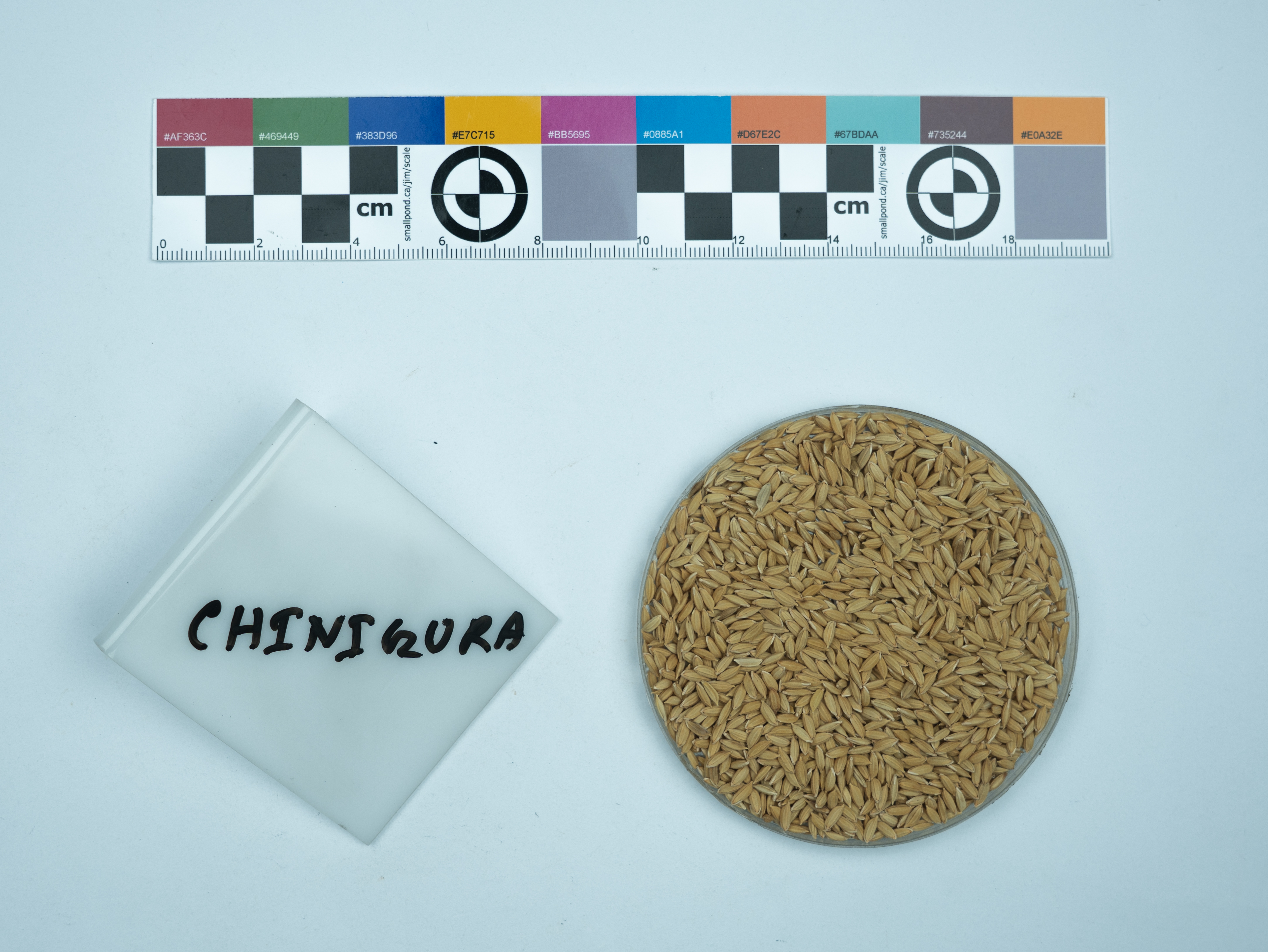
The Department of Livestock Services (DLS), in its Livestock Economy at a Glance 2024-25, which draws on provisional figures from the Bangladesh Bureau of Statistics, puts egg production in the 2024-25 fiscal year at 2,440.65 crore. Its series shows output rising from 1,191.24 crore eggs in 2015-16 to 2,337.63 crore in 2022-23 and 2,374.97 crore in 2023-24. Against a demand that the department sets at 1,850.16 crore eggs, or 104 eggs per person per year, it puts availability at 137.19 eggs per person per year. The same publication gives livestock a provisional share of 1.81 percent of gross domestic product and 16.54 percent of agricultural GDP at constant prices.
Banglapedia's entry on poultry traces the domestic chicken to the red jungle fowl of Southeast Asia and says it was probably domesticated more than 4,000 years ago. Because local chickens produce relatively few eggs and little meat, farms in Bangladesh have turned to improved breeds such as White Leghorn, Rhode Island Red and Plymouth Rock. The encyclopedia notes that the White Leghorn is the most popular of these and that its hens may lay nearly 230 eggs a year, while the quail, also gaining popularity, may lay more than 200.
The INFS table opens its chapter on eggs with a description of what they contain. Chicken eggs supply all the essential amino acids that humans need and so count as a source of complete protein, and they provide vitamins and minerals including retinol, riboflavin, folate, vitamin B6, vitamin B12, choline, iron, calcium, phosphorus and potassium. The yolk makes up about 33 percent of the liquid weight of the egg; it holds all of the fat, slightly less than half of the protein and most of the other nutrients, including all of the egg's vitamins A, D and E. The white contains protein but little or no fat.
For boiled eggs without salt, the table gives these values per 100 g of edible portion. A farmed chicken egg: 158 kcal, 68.5 g of water, 16.5 g of protein, 10.2 g of fat, 1.8 mg of iron, 178 micrograms of vitamin A, 2.0 micrograms of vitamin D and 45 micrograms of folate. A native (deshi) chicken egg: 179 kcal, 15.1 g of protein and 13.2 g of fat. A duck egg: 214 kcal, 15.3 g of protein and 16.2 g of fat. The edible portion coefficient for chicken eggs is 0.87, which means the shell accounts for the rest of the weight. For comparison, the table's plain pulao gives 128 kcal, 2.2 g of protein, 2.3 g of fat and 24.1 g of carbohydrate per 100 g.
The table does not list egg polao itself, and the values of a home-cooked dish depend on the rice, the amount of ghee and oil, the milk and the size of the portion. The figures above are reference values for the separate foods, not a nutrition label for this recipe. Anyone on a medically restricted diet should ask a doctor or a qualified nutritionist about portions.
The spices and flavourings in the pot
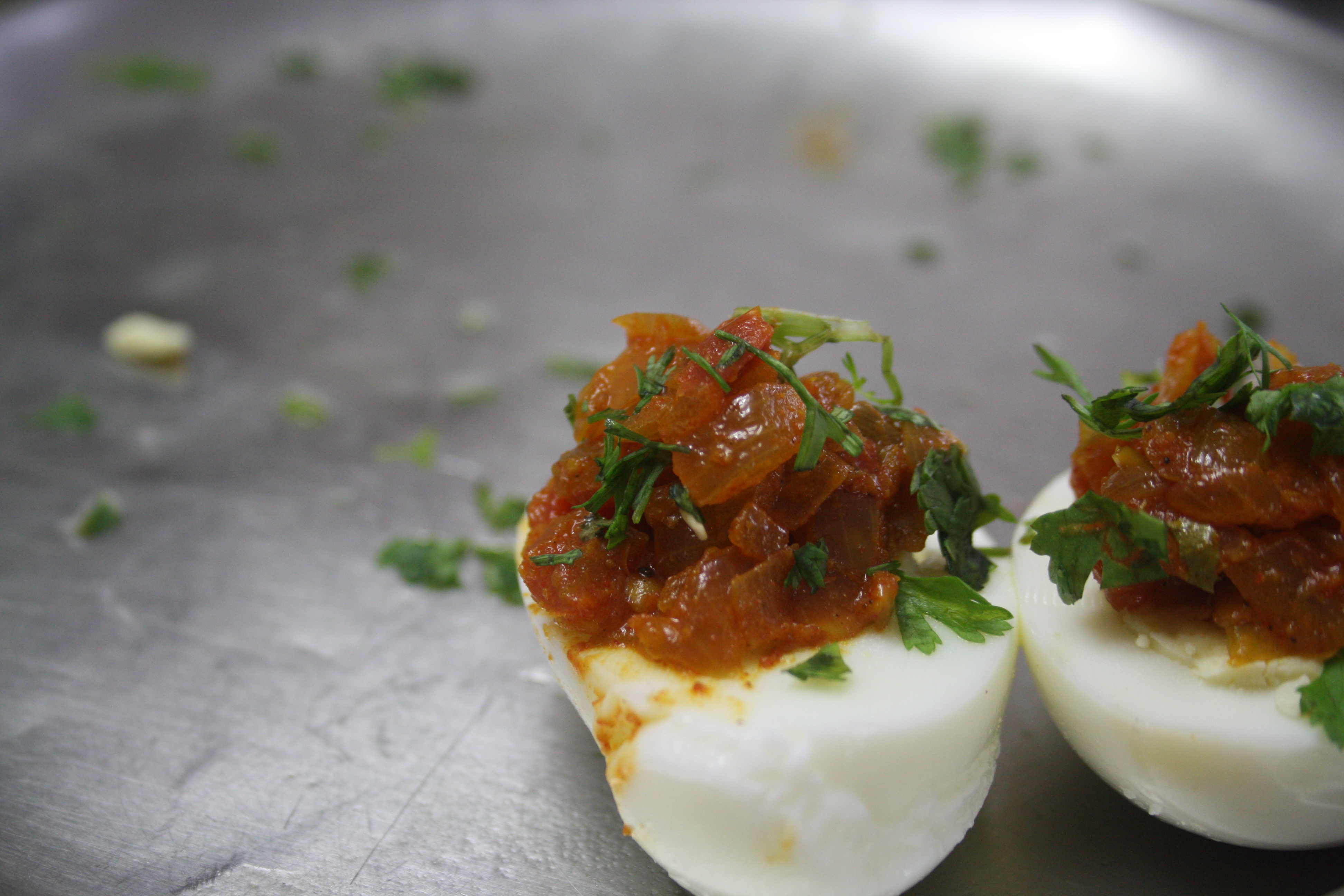
Banglapedia defines a spice as any aromatic plant, plant part or plant product used as a condiment or to flavour food, and says its value lies in its aroma, the essential oil. Different spices come from different parts of the plant: ginger and turmeric from the rhizome, cinnamon from the bark, cumin and chilli from the fruit, and cardamom and nutmeg from the seed. The popular garam masala, the encyclopedia notes, combines clove, black pepper, cinnamon and cardamom and is used mostly in special meat curries and rice preparations. Ginger, garlic, turmeric, onion, red pepper and coriander are commonly grown in Bangladesh, but a large share of other spices is imported from India, Malaysia and Indonesia.
Nutmeg, the jaiphal of the recipe, is the dried ripe seed of Myristica fragrans, an evergreen tree 10 to 20 metres tall that is native to the Molucca Islands of Indonesia and is cultivated in Indonesia, Malaysia, Sri Lanka and the West Indies. Banglapedia says it is highly prized as a flavouring in special dishes such as polao, biriyani and tehari in Bangladesh.
The bay leaf (tejpata) of Bangladeshi kitchens is the Indian bay leaf, Cinnamomum tamala, a tree of the laurel family native to northern India, Bangladesh, Nepal, Myanmar and neighbouring countries. Reference works point out that it is often confused with the Mediterranean bay laurel, a different plant: tejpata leaves are about twice as long, olive green, with three veins running along the leaf, and they carry a cassia- or cinnamon-like aroma. Green cardamom (elach) is Elettaria cardamomum, a perennial herb of the ginger family native to southern India. True cinnamon (darchini) is the inner bark of Cinnamomum verum, a small evergreen tree native to Sri Lanka, although the name is also used for cassia. Cumin (jira) is the dried seed of Cuminum cyminum, an annual herb of the parsley family.
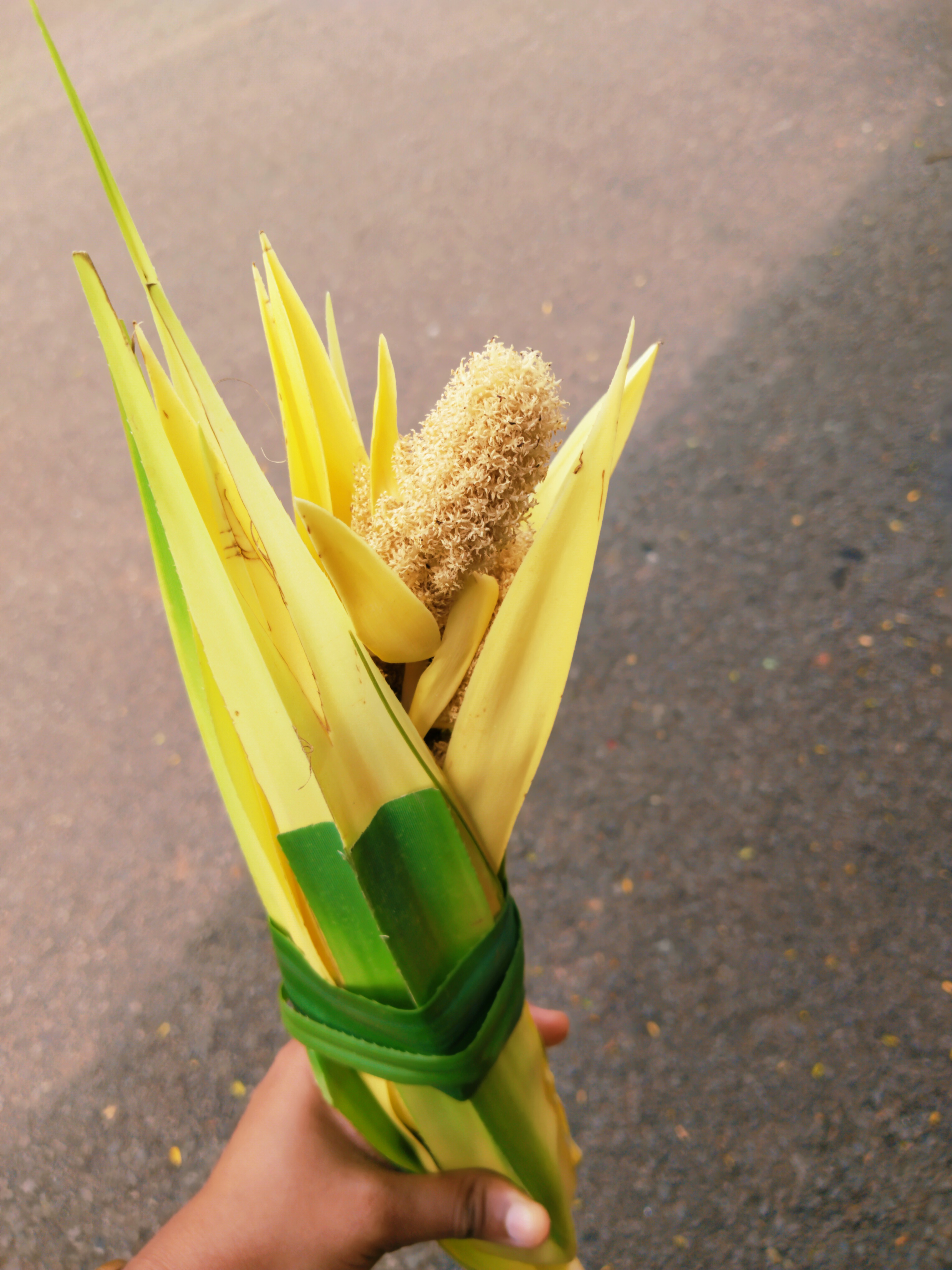
Kewra water, which the recipe sprinkles over the rice before the final steaming, comes from Pandanus odorifer, the fragrant screw-pine. The plant grows widely on Bangladesh's St Martin's Island. An aromatic oil and a fragrant distillate are extracted from its male flowers, and they are used almost entirely as a watery distillate called kewra water, which is quite diluted and is used by the tablespoon. Ghee is clarified butter, made by simmering butter, usually from cow or buffalo milk, skimming off the impurities and keeping the clear fat. Its smoke point is about 250 degrees Celsius, which makes it useful for deep frying, and it is a common fat in rice dishes such as biryani.
The fresh ingredients are field crops of Bangladesh. Banglapedia describes the onion (Allium cepa) as grown in all districts, with Faridpur the largest producer, and notes BARI Piaj-1, a variety released by the Bangladesh Agricultural Research Institute. Garlic is grown throughout the country, with emphasis on Faridpur, Jessore, Rajshahi, Rangpur, Dinajpur, Pabna, Dhaka and Comilla. Ginger is cultivated as a rain-fed crop in uplands and hill slopes, with Dinajpur, Rangpur, Tangail, Chittagong and Rangamati important growing districts. The chilli is a native of Mexico, and both green and dry chillies are used in Bangladeshi curries. The tomato, native to tropical America, has a range of BARI varieties including some that can be grown in the warm season.
The INFS table adds a caution about the place of spices in the diet: because they are used in small amounts, their contribution to nutrient intake is very limited, although fresh spices such as green chillies provide good amounts of vitamin C when used fresh.
Handling eggs and leftovers safely
Because the recipe starts from boiled eggs and may well be cooked ahead or kept for a later meal, the egg-safety advice of food authorities is relevant. The US Food and Drug Administration, in its consumer guidance What You Need to Know About Egg Safety, last revised in March 2024, warns that fresh eggs, even those with clean, uncracked shells, may contain Salmonella bacteria that can cause food poisoning. Most people infected develop diarrhoea, fever, abdominal cramps and vomiting 12 to 72 hours after infection. Children, older adults, pregnant women and people with weakened immune systems are at greater risk of severe illness.
The FDA's guidance on buying, storing, cooking and serving eggs includes these points:
- Buy eggs only if the shells are clean and not cracked.
- Store eggs in a clean refrigerator at 40 degrees Fahrenheit or below.
- Cook eggs until both the yolk and the white are firm; dishes containing eggs should be cooked to 160 degrees Fahrenheit.
- Use or eat hard-cooked eggs, in the shell or peeled, within one week after cooking.
- Refrigerate leftover cooked egg dishes and use them within three to four days; divide a large amount into several shallow containers so that it cools quickly.
- Reheat cooked egg dishes thoroughly, to 165 degrees Fahrenheit, before serving.
- Never leave cooked eggs or egg dishes out of the refrigerator for more than two hours, or for more than one hour when the temperature is above 90 degrees Fahrenheit.
The World Health Organization's fact sheet on non-typhoidal Salmonella describes the bacterium as one of the four key global causes of diarrhoeal disease and says people usually contract it by eating contaminated food of animal origin, mainly eggs, meat, poultry and milk. WHO's Five Keys to Safer Food, which it recommends to professional and home cooks alike, are to keep clean, separate raw and cooked food, cook thoroughly, keep food at safe temperatures, and use safe water and raw materials. Both bodies advise anyone who thinks they have food poisoning to contact a doctor or other health care provider.
Photo: Rocky Masum / Wikimedia Commons (CC BY-SA 4.0)
Sources: Jagonews24, Institute of Nutrition and Food Science (University of Dhaka), Food Composition Table for Bangladesh (2013), Department of Livestock Services (Livestock Economy at a Glance 2024-25), Bangladesh Bureau of Statistics, Banglapedia, Bangladesh Rice Research Institute (The Scientific World Journal, 2016), PLOS ONE (2021), US Food and Drug Administration, World Health Organization, Wikipedia


Comments
(0)