
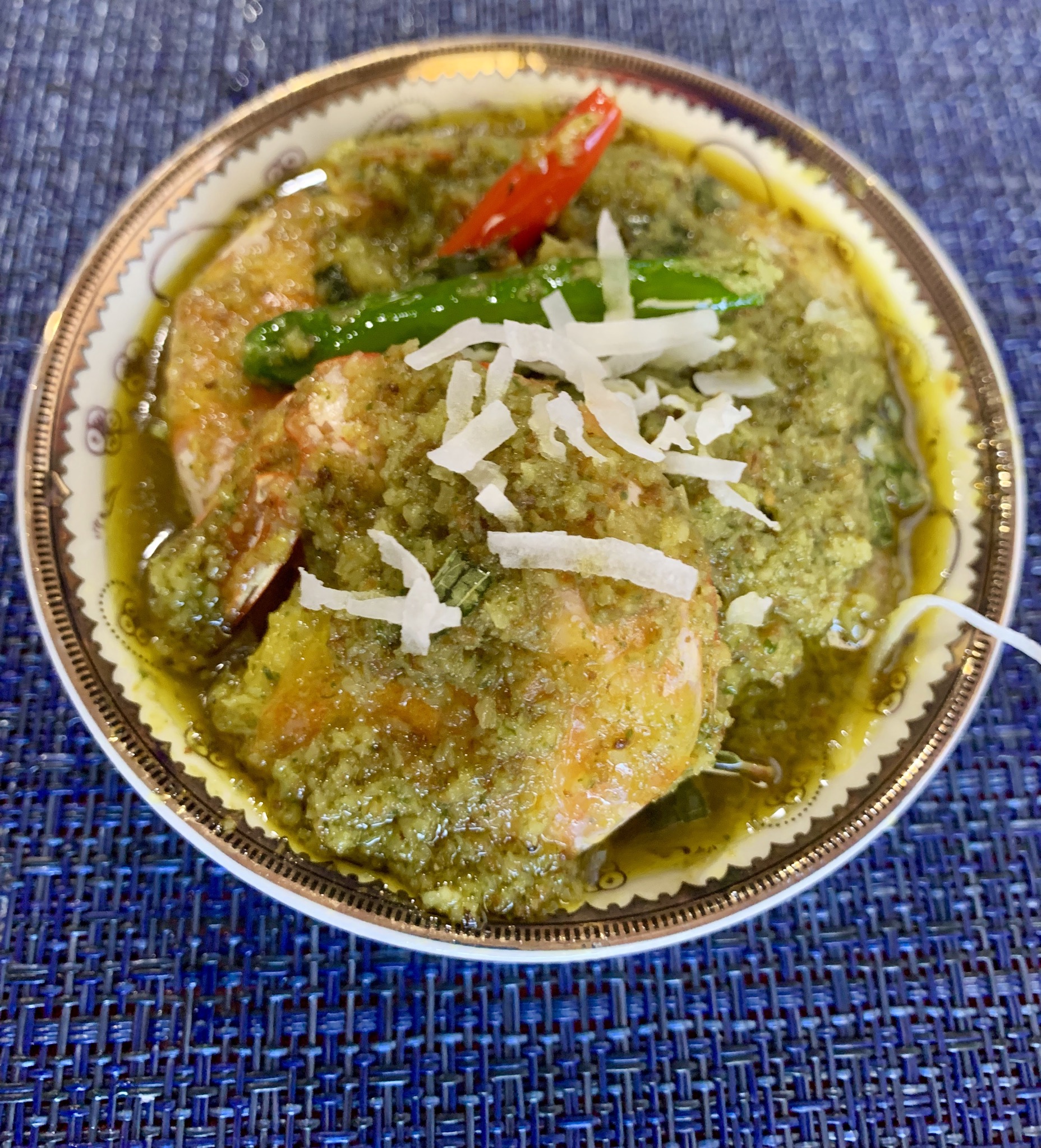
In a Bangladeshi kitchen prawns bring a festive feel, and a steamed prawn dish fragrant with coconut is a favourite way to serve them. On 4 May 2026 the lifestyle desk of the Bangladeshi news site Jagonews24 published a home recipe for narikel chingri bhapa, prawns steamed with coconut, which needs no frying and only a handful of ingredients that most Bangladeshi households keep: coconut, mustard, green chillies, turmeric, mustard oil, salt and sugar.
The recipe described the dish as suitable for both an everyday meal and a special occasion. Its method is the classic bhapa technique of Bengal: the prawns are coated in a spiced paste, sealed in a steel tiffin box and steamed over boiling water for 20 minutes. The sections below set out the recipe as the publisher gave it, compare it with an older published version of the same dish, and explain the prawns, the crops behind the paste and the food-safety points that matter when cooking shellfish at home.
The ingredients in the recipe
Jagonews24 listed the following ingredients. The recipe does not state the size of the prawns or how many people it serves, and it gives the mustard paste in spoons and the oil in tablespoons.
- Prawns: 10 to 12
- Coconut paste: half a cup
- Mustard paste: 2 spoons
- Green chillies: 4 to 5
- Turmeric powder: a little
- Mustard oil: 2 tablespoons
- Salt and sugar: to taste
The green chillies and the mustard oil go in twice: once in the marinade and again on top of the prawns just before the box is closed.
How the dish is made
The publisher's method has two stages: marinating the prawns and steaming them in a closed container. In its steps:
- Wash and clean the prawns well.
- Mix the prawns thoroughly with the coconut paste, mustard paste, green chillies, salt, turmeric, sugar and mustard oil, and leave them to marinate.
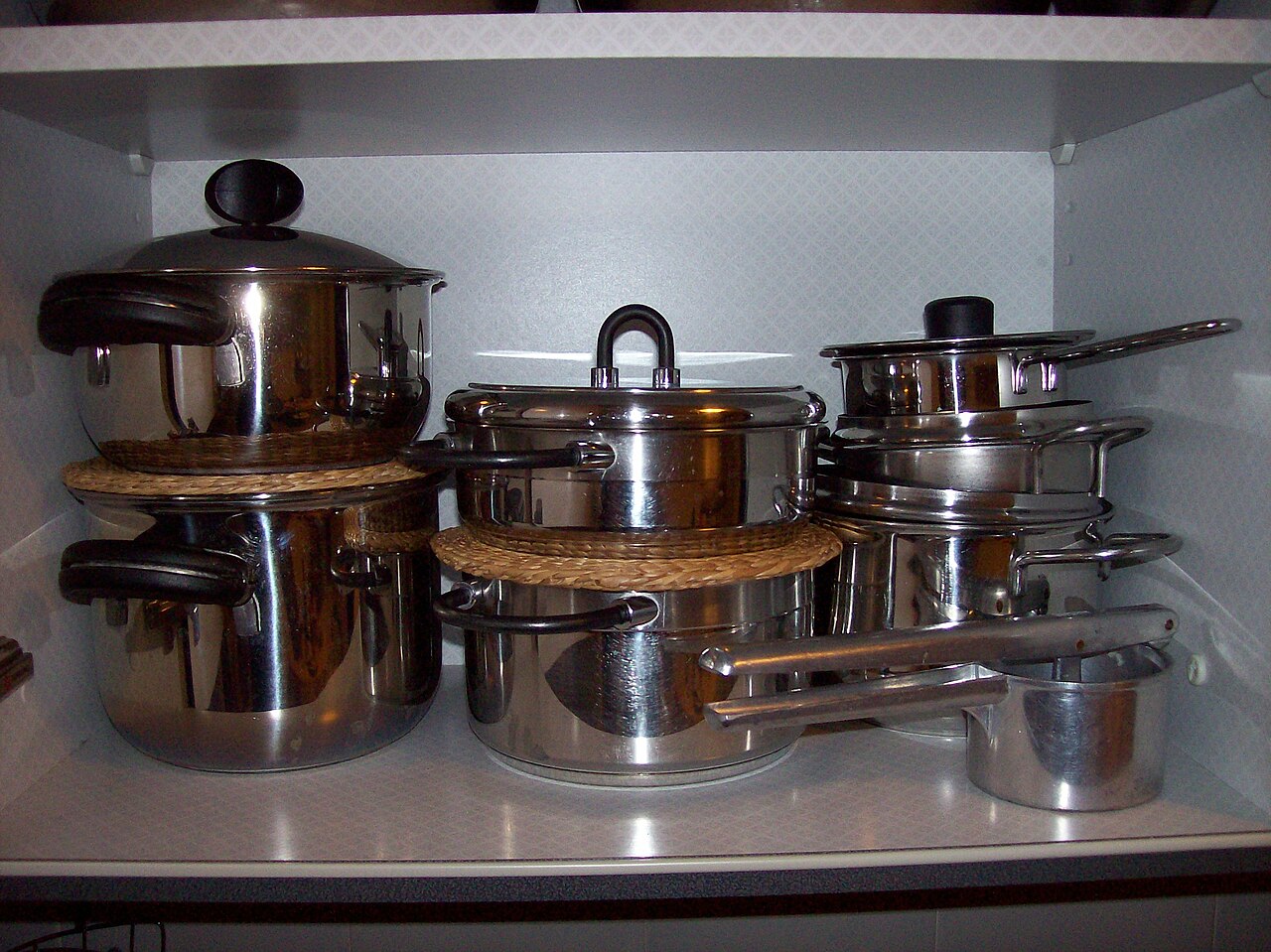
- Put the spiced prawns in a steel tiffin box and scatter a little more mustard oil and green chilli over the top.
- Heat water in a saucepan and set a stand inside it.
- Place the closed tiffin box on the stand, cover the saucepan with its lid and steam for 20 minutes, then take it off the heat.
The original page was illustrated with an image that Jagonews24 itself labelled as symbolic and made with artificial intelligence; the photographs with this report are openly licensed pictures from Wikimedia Commons.
What bhapa cooking is
In Bengali, bhapa means steamed, and the word appears in the names of several familiar foods. Bhapa pitha, for example, is a steamed rice cake made of freshly ground rice flour with a filling of coconut and date molasses. With fish, the best-known example is shorshe ilish, hilsa cooked in mustard, which is widely considered the national dish of Bangladesh; its ingredients include mustard, mustard oil, green chilli and turmeric, and one of its variations is shorshe ilish bhapa, the steamed version.
Prawns are cooked the same way. A chingri bhaape recipe published on 11 November 2016 by the food recipe site Bong Eats uses a very similar list: 300 grams of shelled, deveined prawns, 20 grams of mustard seeds soaked overnight, 20 grams of chopped coconut, four green chillies, turmeric, salt, sugar and 25 grams of mustard oil. That version adds 40 grams of yoghurt to mellow the mustard, which the Jagonews24 recipe does not use. It steams the prawns in a covered steel container, such as a watertight tiffin box, for 10 to 12 minutes in a pot of boiling water, or for one whistle in a pressure cooker, and notes that most of the preparation can be done ahead of time before the final steaming.
The two recipes therefore agree on the core of the dish, prawns in a coconut and mustard paste with green chilli, turmeric and mustard oil, steamed in a sealed box. They differ in the yoghurt and in the steaming time, 20 minutes in the Jagonews24 version against 10 to 12 in the older one; the time a cook needs depends on the size of the prawns, and the food-safety guidance further below describes how cooked prawn flesh should look.
The prawns: golda and bagda
Chingri, the Bengali word for prawns and shrimps, covers crustaceans related to crabs and lobsters, of the order Decapoda, which are found in all types of water bodies. According to Banglapedia, the national encyclopedia of Bangladesh, a total of 56 species have been reported in the country, of which 37 live in salt water, 12 in brackish water and 7 in fresh water; the freshwater species belong to the family Palaemonidae, and sizes range from 2.5 to 30 centimetres.
Two species dominate Bangladeshi kitchens and farms. The golda, Macrobrachium rosenbergii, is known internationally as the giant river prawn, giant freshwater prawn or Malaysian prawn. It can grow to a length of more than 30 centimetres, is native to the tropical and subtropical Indo-Pacific from India to Southeast Asia and northern Australia, and is one of the biggest freshwater prawns in the world. Adults and juveniles live in fresh water, but its larvae depend on brackish water. Banglapedia records culture of the giant freshwater prawn in Bagerhat, Khulna, Jessore, Patuakhali, Barisal, Chittagong and other districts.
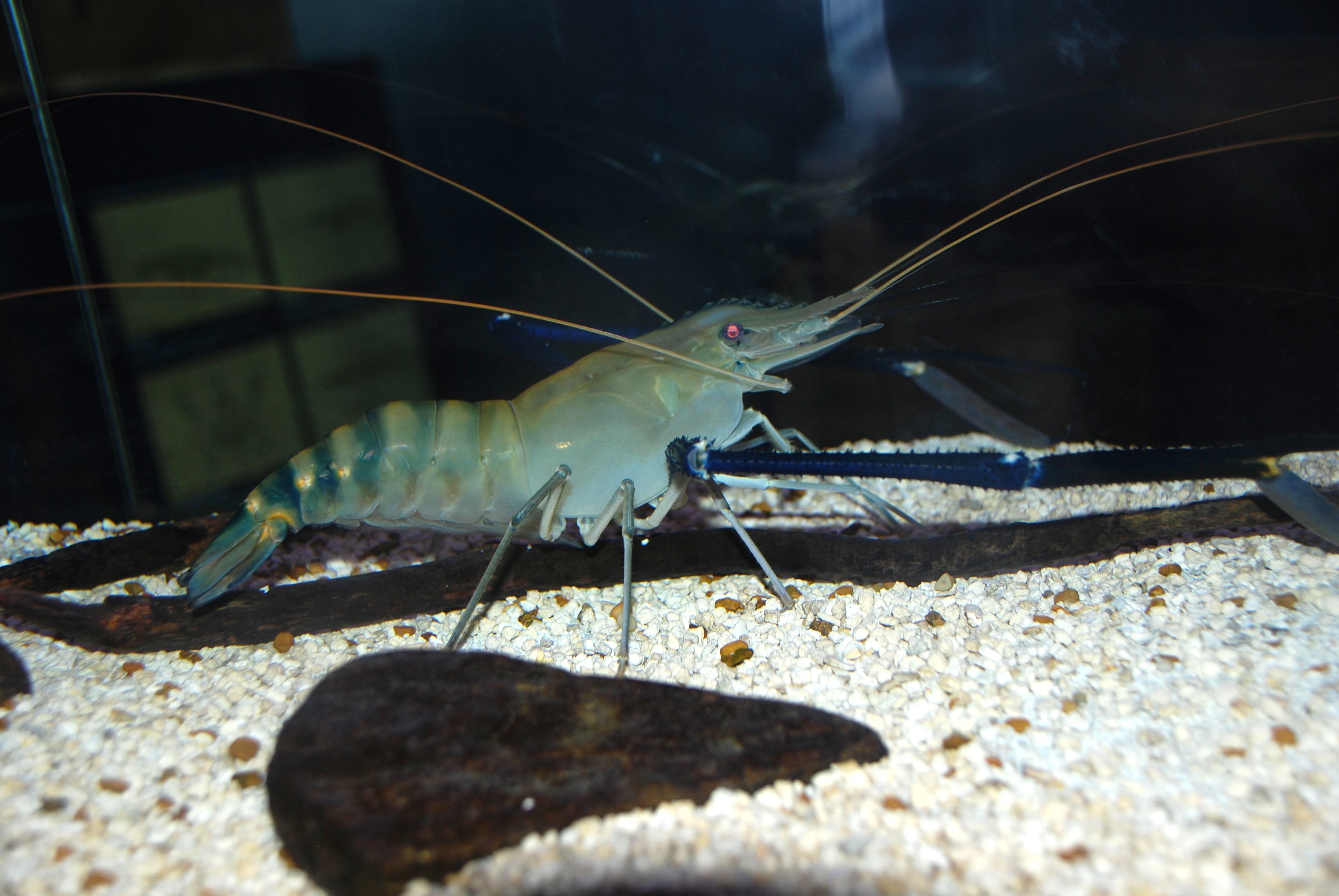
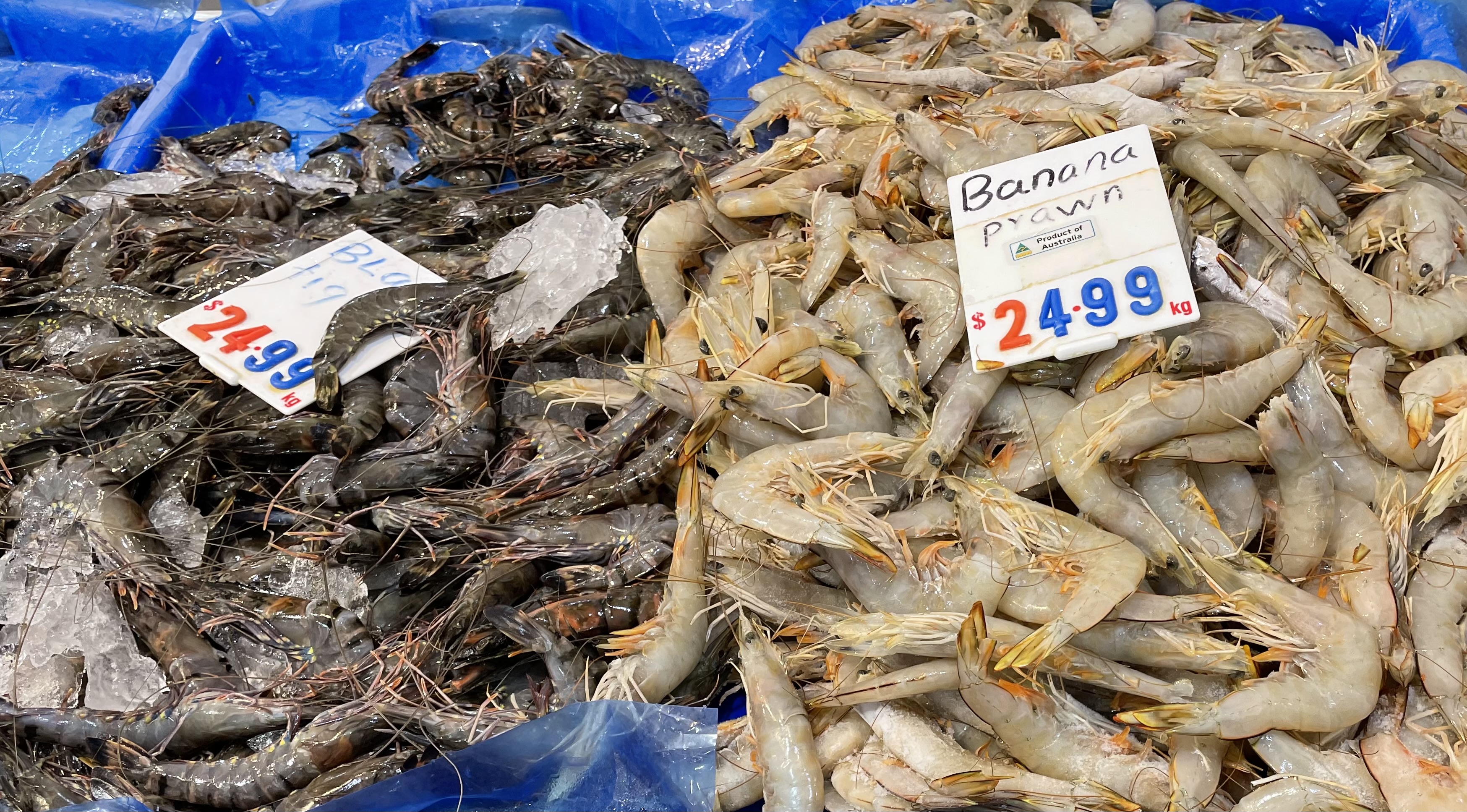
The bagda, Penaeus monodon, is the giant tiger prawn, also called the Asian tiger shrimp or black tiger shrimp. Its range covers the Indo-Pacific from the eastern coast of Africa and the Arabian Peninsula to Southeast Asia, the Pacific and northern Australia. Juveniles live in sandy estuaries and mangroves, while adults occupy deeper waters with muddy or rocky bottoms. Globally it is the second most widely farmed prawn species after the whiteleg shrimp. In Bangladesh, Banglapedia lists tiger shrimp farming in Satkhira, Khulna, Bagerhat and Cox's Bazar districts. A third species, Metapenaeus monoceros, known as horina, is smaller, with males reaching 12.5 centimetres and females 15.5 centimetres in Banglapedia's figures.
Shrimp in Bangladesh's fisheries and exports
Prawns are part of Bangladesh's wider fisheries sector. A country presentation by the Ministry of Fisheries and Livestock, given at an INFOFISH meeting in October 2024, put Bangladesh's total fish production in 2022-23 at 4.91 million tonnes, per capita fish consumption at 67.80 grams a day, and fish's share of the animal protein supply at 60 percent. The same presentation counted 24 freshwater and 36 marine shrimp species in the country, listed shrimp and prawn farms among the inland culture water bodies, and named the freshwater prawn, the black tiger shrimp and horina shrimp among the products in which Bangladesh has a comparative advantage.
The bagda has a special legal status. In 2022 the Department of Patents, Designs and Trademarks recognised Bangladesh's bagda shrimp as a geographical indication (GI) product. The newspaper Ittefaq reported on 18 May 2022 that the Department of Fisheries had applied for the recognition in May 2019 in order to present the bagda as a distinctive Bangladeshi product in world markets, and that the registration certificate was formally handed over on 24 April 2022. A geographical indication is a sign that carries the origin, qualities and reputation of a product, and the recognition means that no other country can present bagda shrimp as its own product.

Export earnings from shrimp had fallen in the decade before this recipe appeared. A UNB report of 18 November 2025 said the country earned less than 300 million dollars from shrimp exports at that time, against 529 million dollars in the 2015-16 fiscal year, a figure it attributed to Professor Asif Wares Newaz of Sher-e-Bangla Agricultural University. The same report cited Export Promotion Bureau data showing a 19 percent rise in shrimp exports in 2024-25. According to SK Kamrul Alam, vice president of the Bangladesh Frozen Foods Exporters Association, quoted in that report, Bangladesh cultivated shrimp on more than 250,000 hectares and produced around 100,000 tonnes of bagda, with bagda yields of around 500 kilograms per hectare.
Coconut, mustard and chilli: the crops behind the paste
The paste that flavours the dish comes from three crops grown across Bangladesh. The coconut, Cocos nucifera, is a palm. Banglapedia describes it as cultivated in Bangladesh as a homestead plant, gives the area under coconut as about 31,600 hectares with total production of about 96,000 tonnes, and notes that the kernel is eaten raw or used in confectionery, sweets and other foods, that coconut oil is pressed from dried copra, and that tender green coconuts are in great demand as a drink. The edible white flesh of the seed is the endosperm, known as coconut meat; coconut milk and cream extracted from grated coconut are used in curries and stews as well as desserts.
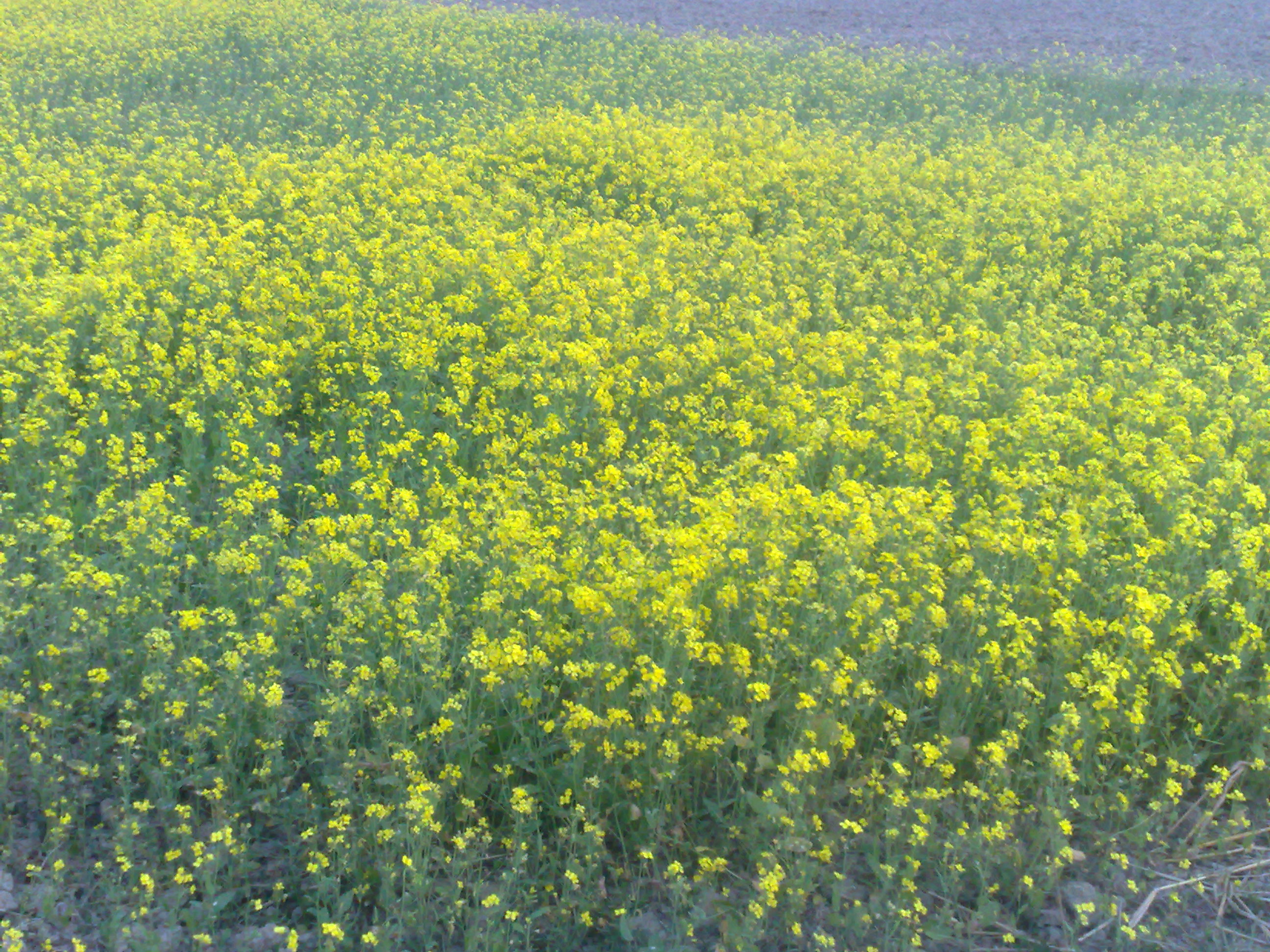
Mustard has a longer history in the Bengali kitchen as both a spice and an oil. Banglapedia names two species grown in the country, Brassica napus (rape) and Brassica nigra (black mustard), of the family Cruciferae, and gives the area under mustard as about 0.24 million hectares, with mustard oil output in the order of 0.19 million tonnes a year. It lists Chittagong, Sylhet, Dhaka, Tangail, Jessore, Bogra, Sirajganj and Pabna among the main growing districts and notes that a few decades earlier mustard oil had been the exclusive cooking oil in Bangladesh, pressed from the seed in traditional mills.
The green chilli is Capsicum frutescens. Banglapedia notes that both green and dry chillies are used as spices in curries, that the crop can be grown in both summer and winter, and that winter chillies are grown mainly in Comilla, Noakhali, Faridpur, Barisal, Patuakhali and Bogra. It gives the crop's area as about 66,235 hectares, annual production as about 52,215 tonnes and the average yield of green chilli as 5 to 6 tonnes per hectare, and records local varieties such as Balijuri, Bona, Bain, Saita, Suryamukhi, Paba, Halda, Dhani, Shikarpuri and Patnai.
Turmeric and the lead chromate problem
Turmeric, the spice that colours the marinade, is the rhizome of Curcuma longa, a plant of the ginger family Zingiberaceae native to the Indian subcontinent and Southeast Asia. The rhizomes are boiled in water, dried and ground into the deep orange-yellow powder used in curries, and the yellow colour comes from curcumin, a chemical the plant produces.
Turmeric has also been at the centre of a food-safety problem in Bangladesh. A study published in the journal Environmental Research in September 2023, by researchers from Stanford University, icddr,b and Johns Hopkins University, stated that turmeric adulterated with lead chromate pigment had previously been identified as a primary source of lead exposure in Bangladesh. Between 2017 and 2021 an intervention spread scientific findings through the news media, educated consumers and traders through public notices and meetings, and worked with the Bangladesh Food Safety Authority to use a rapid lead detection technology to enforce the ban on turmeric adulteration.
The results were large. The share of market turmeric samples with detectable lead fell from 47 percent in 2019 to 0 percent in 2021, and the share of polishing mills with direct evidence of lead chromate adulteration fell from 30 percent in 2017 to 0 percent in 2021. Among workers at two mills, blood lead levels dropped by a median of 30 percent. The authors credited media attention, credible information, rapid detection tools and swift government enforcement for the improvement.
What cooked shrimp contains
The United States Department of Agriculture's FoodData Central database gives values for cooked shrimp in its SR Legacy data, published in April 2019. Per 100 grams, cooked shrimp contains 99 kilocalories, 24.0 grams of protein, 0.28 grams of fat, 189 milligrams of cholesterol, 111 milligrams of sodium and 1.64 milligrams of zinc. The same database gives raw shrimp 85 kilocalories and 20.1 grams of protein per 100 grams. These figures are for the shrimp alone; the coconut paste and mustard oil in a bhapa add their own fat and energy. Anyone following a special diet, or advised to limit cholesterol or fat, should ask a doctor or a registered dietitian how such a dish fits.
Prawns are also a common allergen. The US Food and Drug Administration lists crustacean shellfish among the nine major food allergens, together with milk, eggs, fish, tree nuts, peanuts, wheat, soybeans and sesame. The Food Allergen Labeling and Consumer Protection Act of 2004 identified the first eight, and sesame became the ninth from 1 January 2023 under the FASTER Act signed on 23 April 2021. The FDA lists symptoms of an allergic reaction including hives, flushed skin or a rash, tingling or itching in the mouth, swelling of the face, tongue or lips, vomiting or diarrhoea, abdominal cramps, coughing or wheezing, and dizziness, and warns that a severe, life-threatening reaction, called anaphylaxis, may involve fatal breathing problems and shock. A person who reacts after eating prawns needs medical help at once.
Handling prawns safely in the kitchen
Because prawns spoil quickly, food-safety agencies give specific advice on buying, storing and cooking them. The FDA's guidance on selecting and serving seafood safely, last updated in March 2024, says that the flesh of raw shrimp should be clear with a pearl-like colour and little or no odour. Seafood that will be used within two days of purchase should be kept in a clean refrigerator at 40 degrees Fahrenheit or below. Frozen seafood should be thawed gradually in the refrigerator overnight; if it must be thawed quickly, it can be sealed in a plastic bag and put in cold water, or defrosted in a microwave if it will be cooked immediately afterwards.
On cooking, the FDA says most seafood should reach an internal temperature of 145 degrees Fahrenheit, and that shrimp is done when its flesh becomes firm, pearly and opaque. This is the practical test for a bhapa: when the box is opened, prawns that are still translucent need more time on the steam. To prevent cross-contamination, the FDA advises washing hands for at least 20 seconds with soap and warm water after handling any raw food, and washing cutting boards, dishes, utensils and counters with soap and hot water between preparing raw seafood and cooked or ready-to-eat food.
The World Health Organization's Five Keys to Safer Food, published as a training manual in 2006, sum up the same principles for every home kitchen: keep clean; separate raw and cooked food; cook thoroughly; keep food at safe temperatures; and use safe water and raw materials. For a prawn bhapa, that means washing the prawns in clean water, keeping raw prawns and their juices away from cooked food, steaming until the flesh is opaque and refrigerating leftovers rather than leaving them out.
Photo: Prianxi / Wikimedia Commons (CC BY-SA 4.0)
Sources: Jagonews24, Banglapedia (Prawn, Coconut, Mustard, Chilli), Ministry of Fisheries and Livestock country presentation at INFOFISH (October 2024), Ittefaq, UNB, Bong Eats, Environmental Research (Forsyth et al., 2023), USDA FoodData Central, US Food and Drug Administration, World Health Organization, Wikipedia (Macrobrachium rosenbergii, Penaeus monodon, Shorshe ilish, Bhapa pitha, Coconut, Turmeric)


Comments
(0)