
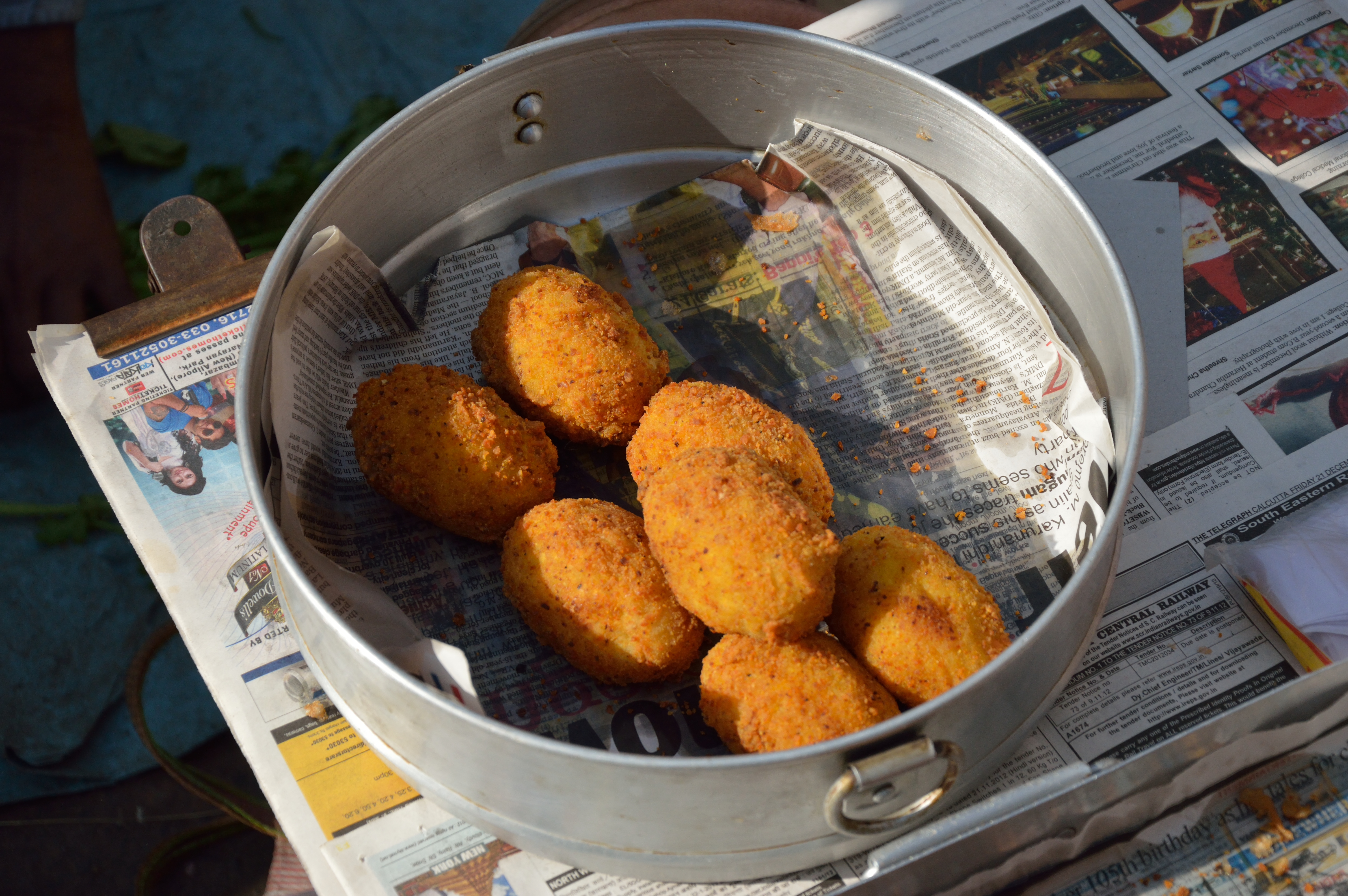
Potato nuggets, small pieces of seasoned mashed potato coated in egg and breadcrumbs and fried until golden, were the subject of a recipe that the lifestyle desk of the Bangladeshi news site Jagonews24 published on 26 July 2026. The report offered them as a change from chicken nuggets, which it described as many people's first choice when they want something crunchy with afternoon tea.
According to the report, the dish needs only a few ingredients, costs little and takes very little time to make. It described the nuggets as crisp outside and soft inside, said they taste even better with tomato sauce, mayonnaise or mint chutney, and suggested them for an afternoon get-together, children's tiffin or guests.
Ingredients for potato nuggets
The Jagonews24 recipe lists ten ingredients. It does not say how many nuggets they make, how many people they serve or how long the cooking takes.
- Potatoes: 3
- Egg: 1
- Chilli powder: half a teaspoon
- Black pepper powder: a little
- Chopped coriander leaves: half a cup
- Cornflour: 1 tablespoon
- Breadcrumbs: as needed
- Plain flour (maida): 2 tablespoons
- Salt: to taste
- Oil: as needed
How to make them, step by step
- Boil the potatoes, peel them and mash them well.
- Add the red chilli powder, black pepper powder, salt and chopped coriander leaves, and mix well.
- Add the cornflour and flour and mix until you have a dough that is soft but firm.
- Spread the mixture out to an even thickness and cut it into nugget shapes of your choice.
- Dip each piece first in beaten egg, then roll it well in breadcrumbs to coat.
- Heat enough oil in a karai. When the oil is hot, fry the nuggets over a medium flame until golden and crisp.
- Lift the nuggets onto tissue paper to drain the extra oil.
- Serve hot with tomato sauce, mayonnaise or any dip you like.
From the chicken nugget to the potato version
The chicken nugget that the recipe sets out to replace has a fairly short history. History.com reports that, although the origin of the food is disputed, it is commonly accepted that the agricultural scientist Robert C. Baker invented it in a laboratory at Cornell University in the United States in 1963. His innovation was to mould boneless, bite-size pieces from ground, skinless chicken and to encase them in a breading that stayed in place through both frying and freezing, which was critical for mass production and transport. Baker did not patent the idea. He mailed the recipe to hundreds of American companies.
The same outer layer appears in Bangladeshi home recipes. A chicken nugget recipe that Bangla Tribune's lifestyle desk published on 28 January 2020 mixed 250 grams of chopped chicken with half a teaspoon of garlic paste, half a chopped onion, salt and a quarter teaspoon of black pepper powder, and left it in the refrigerator for an hour. The shaped pieces were rolled in flour, dipped in egg, rolled in breadcrumbs and deep-fried, then served hot with tomato sauce. That report, like the Jagonews24 one, recommended the dish for school tiffin and as an afternoon snack.
Potato snacks, for their part, are nothing new in the country. Banglapedia, the national encyclopedia, says the principal use of potatoes in Bangladesh is in curry with fish, meat and eggs, but that there is great diversity in how they are eaten: boiled, fried, mashed and baked, as potato chop and singara, and as chips and French fries. It adds that in recent years bakeries and fast food shops have started preparing a wide variety of potato-based foods. Beneath its recipe, Jagonews24 also linked to its own recipe for croquetas, a popular Spanish dish.
How other Bangladeshi recipes differ
The Jagonews24 version was not the first of its kind in the Bangladeshi press. A recipe on the Independent Television website on 10 July 2024, also suggested for school tiffin or an afternoon snack, used three or four large potatoes, half a cup of chopped onion, half a tablespoon of chopped chilli, two tablespoons of chopped coriander leaves, half a teaspoon each of black pepper powder, red chilli powder and tasting salt, two teaspoons of cornflour, one tablespoon of flour, one teaspoon of salt, one egg and half a cup of breadcrumbs. The mixture was rolled with the cornflour and cut into nugget shapes, and the coated pieces were kept in the refrigerator for a while before frying.
A second recipe on the same site, on 6 August 2025, did without egg and crumbs altogether. Two slices of bread were soaked in a cup of water for a minute and squeezed dry, then mixed with four medium boiled potatoes, four to five tablespoons of cornflour, garlic, chilli flakes, cumin, onion powder, chicken powder, Kashmiri chilli powder, green chilli and coriander leaves. The mixture was spread in a rectangular mould and cut into small squares of about 30 grams each, which the recipe said would give roughly 12 nuggets. They were fried over a medium flame until brown and crisp and served with a spicy mayonnaise sauce.
Set side by side, the three show what stays the same: boiled potato, chilli, coriander leaves and cornflour. The Jagonews24 recipe has no onion or garlic, and it uses far more coriander leaves than the 2024 recipe, half a cup against two tablespoons.
What the potato brings to the dish
The potato (Solanum tuberosum) originated and was first domesticated in the Andes mountains of South America, according to the International Potato Center (CIP), a research centre based in Peru. CIP ranks it as the third most important food crop in the world after rice and wheat in terms of human consumption, eaten by more than a billion people, with global production above 300 million metric tons. There are more than 4,000 varieties of native potatoes, mostly in the Andes.
Banglapedia says Spanish explorers are believed to have brought the potato from Peru to Spain in the 16th century. Portuguese navigators are assumed to have brought it to India at the beginning of the 17th century, although the exact date is not known. The encyclopedia says the first record of its cultivation in India appears in an 1847 issue of The Gardening Monthly, a London magazine, and that it was first cultivated around Calcutta.
The kind of potato matters in a dish built on mash. Harvard University's Nutrition Source divides potatoes into two broad groups. Starchy potatoes are high in starch and low in water, cook up soft and fluffy, and suit mashing, baking and frying. Waxy potatoes have less starch, stay firm and moist when cooked and hold their shape, but because of that firmness they do not mash well. The Jagonews24 recipe does not name a variety.
Banglapedia counts about 27 local varieties in Bangladesh, among them Sheel Bilatee, mostly grown in Rangpur; Lal Sheel, mainly in Bogra; Lal Pakri, in Dinajpur, Bogra and Sirajganj; and Du Hajari, mostly in the Chittagong area. Some remain in cultivation despite poor yields because of their taste and cooking qualities. Among high-yielding varieties it names Cardinal and Diamant from the Netherlands and Kufri Sindhuri from India. A principal scientific officer at the Tuber Crops Research Centre of the Bangladesh Agricultural Research Institute (BARI) told Bonik Barta in 2025 that local potatoes have low dry matter and high moisture, which makes commercial starch production costly.
A record crop and low prices
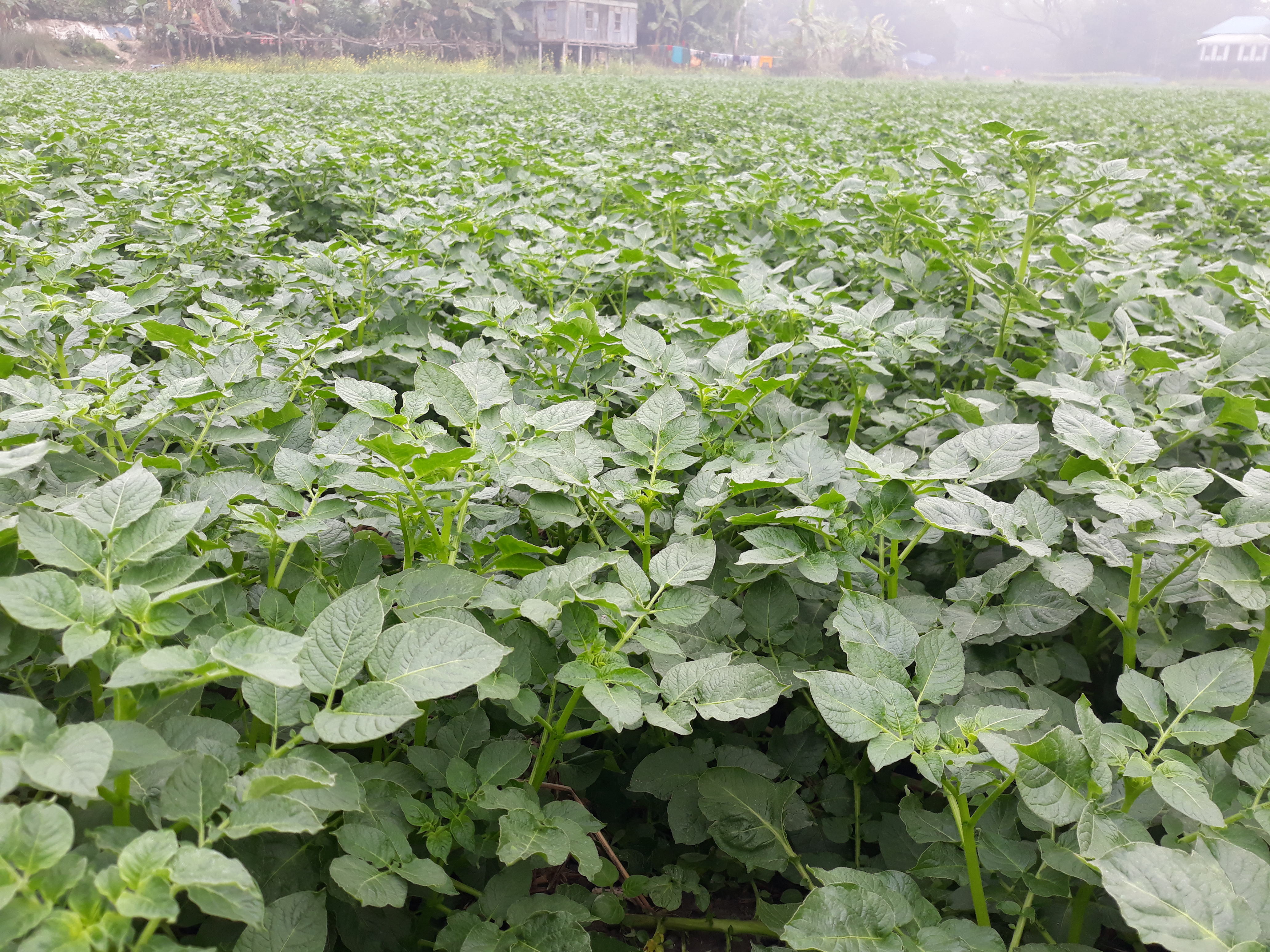
The report's promise of a cheap snack came at a time when potatoes were plentiful in Bangladesh. The crop is grown in every district in winter, Banglapedia says. The Daily Star reported in August 2025 that it is planted from mid-September to November, and that the main harvest runs from mid-January to March. The same report, citing the Bangladesh Bureau of Statistics, said the country grew 1.15 crore tonnes in fiscal 2024-25, the highest in its history, on 4.92 lakh hectares, against 1.06 crore tonnes the year before. Estimates by the Tuber Crops Research Centre and the Bangladesh Cold Storage Association put the domestic requirement at just over 90 lakh tonnes, including around 10 lakh tonnes for seed. Just over 62,000 tonnes were exported that year.
Retail prices had begun to rise in the weeks before the recipe appeared, while growers complained of losses. Prothom Alo reported on 3 July 2026 that potatoes were selling at Tk 25 to 30 a kilogram in Dhaka retail markets, up from Tk 20 to 25 a month earlier. In May, bdnews24 reported wholesale prices of Tk 8 to 9 a kilogram in Rangpur, against field-level production costs of Tk 15 to 20, with the same potatoes retailing there at Tk 20. On 1 July, Dhaka Tribune reported that more than 300 farmers and traders protested in Rangpur over cold storage rent, which they alleged owners had raised to Tk 450 per 50-kilogram sack without notice. The protesters said their production cost stood at Tk 25 to 26 a kilogram while market prices had fallen to Tk 14 to 15.
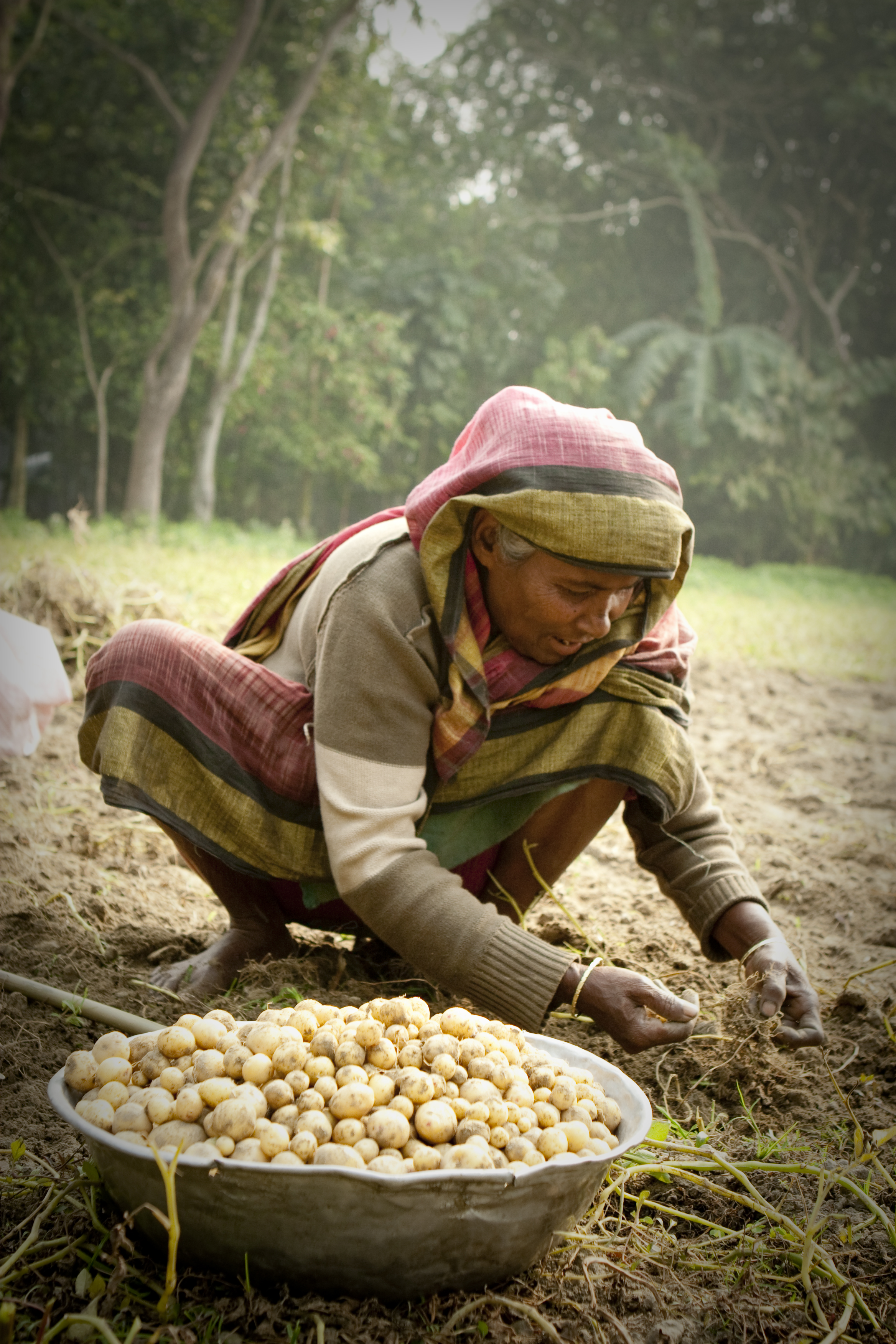
Much of the talk in the sector was about finding more uses for the crop. Bonik Barta, in a report carried by PotatoPro in November 2025, cited the Department of Agricultural Marketing as counting 384 cold storage facilities with a combined capacity of over 3.27 million tons, and quoted industry sources as saying that only 3 to 4 percent of output is used beyond the vegetable pot. The agriculture adviser put the share processed at 2 percent in December 2025. The BARI scientist told the paper: "To address this issue, we need to diversify dietary habits." The Bangladesh Cold Storage Association held the country's first Potato Festival in Dhaka on 12 and 13 December 2025, where 66 local and international organisations took part and diverse potato-based food products were displayed, BSS reported. In June 2026 a processor, Alimento, said it was about to begin selling a range of frozen potato products in Bangladesh.
The other ingredients on the list
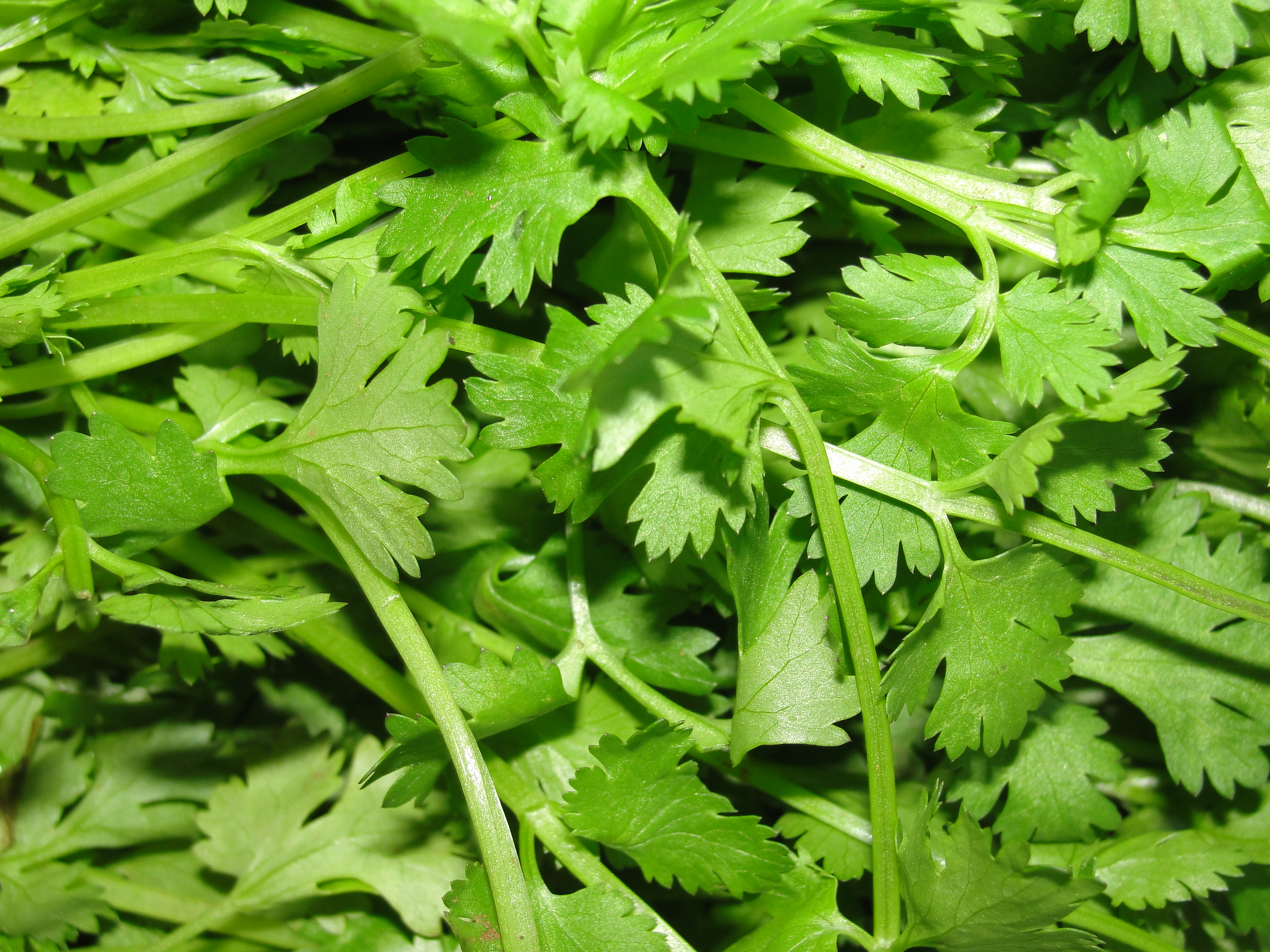
Coriander, the source of the half cup of green leaves, is a strong-smelling annual herb (Coriandrum sativum) native to the Mediterranean region, Banglapedia says. It is extensively cultivated in Bangladesh as a winter crop, sown in October and November and maturing in 90 to 105 days. Young plants are used in chutney, sauces, curries and soups.
Chilli, native to Mexico, belongs to the same plant family as the potato, the Solanaceae. Banglapedia says it can be grown in both summer and winter in Bangladesh, and that dry chilli is an ingredient of curry powder, sauces and pickles. The tomato behind the suggested sauce is another member of that family. It is native to tropical America, and Banglapedia lists ketchup, sauce and chutney among its uses.
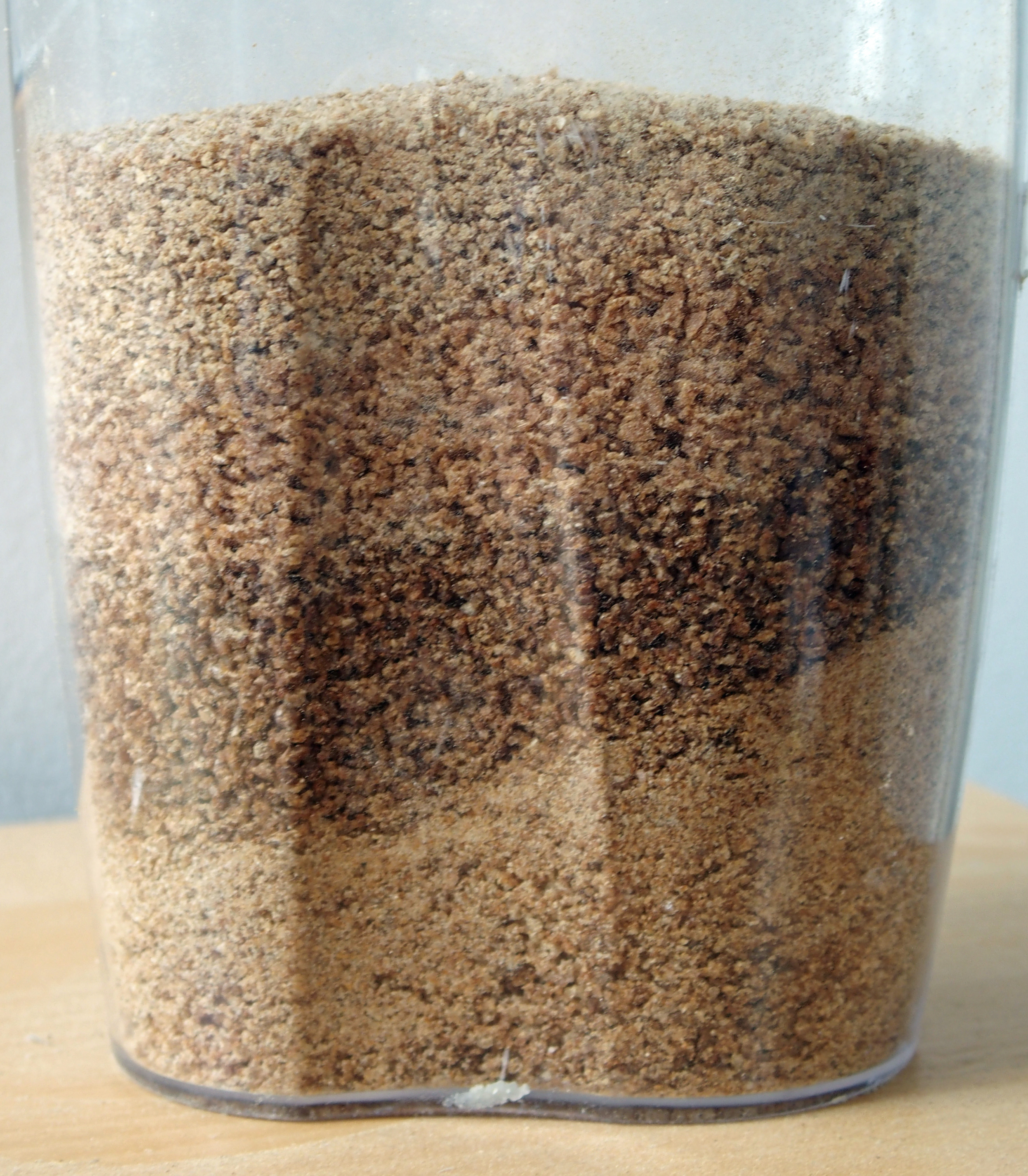
The two starches in the dough come from cereals. Flour comes from wheat, which Banglapedia says was introduced in Bengal in 1930-31 and whose importance as a food crop was recognised around 1942-43. Cornflour, known as corn starch in American English, is the starch powder obtained from the kernel of corn, or maize, and is commonly used to thicken sauces and soups. Banglapedia records maize as grown in Bangladesh in both the Kharif and Rabi seasons. The one animal ingredient is the egg: in August 2025 the fisheries and livestock adviser said Bangladesh produced around six crore eggs a day, and that this was still not enough to meet domestic demand.
What health authorities say about fried potato snacks
Harvard's Nutrition Source calls potatoes a source of potassium, fibre, vitamin C and vitamin B6. A medium potato with its skin provides about 2 to 3 grams of fibre, most of it from the peel, and about 600 milligrams of potassium, some of which is lost in boiling. In this recipe the potatoes are boiled and peeled. Fresh potatoes are virtually fat-free, the same source says, but adding oil raises the calories considerably. Their starch is rapidly turned into blood sugar, giving them a high glycaemic load. Harvard suggests a moderate amount a few times a week as part of a balanced diet, preferably prepared with unsaturated plant oils and eaten with the skin.
The World Health Organization's healthy diet fact sheet of 26 January 2026 advises reducing fat by steaming or boiling instead of frying, and by limiting fried foods and pre-packaged snacks that contain industrially produced trans fat. For adults it advises keeping total fat to 30 percent or less of daily energy and salt to under 5 grams a day. It prefers unsaturated fats, such as those in sunflower, soybean, canola and olive oils, to saturated fats, such as those in palm and coconut oil, butter and ghee. For children of 6 to 23 months, it says, foods high in salt and trans fats should be avoided and starchy staples minimised.
Trans fat is also a regulatory matter in Bangladesh, where a cap of 2 percent was gazetted in 2021 and enforced from 2022, Dhaka Tribune reported. At a roundtable in Dhaka on 5 February 2026, public health experts warned that the rule risked remaining largely unenforced because of gaps in laboratory capacity and coordination between agencies, and said imported edible oils containing 4 to 5 percent trans fat were still entering the market with minimal screening.
Frying starchy food raises a further question, about acrylamide, a chemical that forms from natural sugars and the amino acid asparagine during high-temperature cooking. The European Food Safety Authority (EFSA) says this typically means above 120 degrees Celsius with low moisture, and that fried potato products, including croquettes, are among the most important dietary sources. For most children they account for up to half of dietary exposure. On EFSA's reading of animal studies, acrylamide in food potentially increases cancer risk in all age groups, while human studies have given limited and inconsistent evidence. The US National Cancer Institute says a large number of human studies found no consistent evidence of a link. The US Food and Drug Administration says frying causes the most acrylamide among potato cooking methods and boiling produces none, and that cooking cut potato products to a golden yellow rather than a brown colour helps reduce it. The recipe's instruction to stop at golden fits that advice.
Choosing and storing the potatoes matters too. Harvard advises picking firm potatoes without soft spots, mould or a green tint under the skin, since the green colour comes with solanine, a toxin that eaten in excess can upset the stomach. It says to keep them in a dark, dry, cool place with air flow, and the FDA adds that storing them in the refrigerator can increase acrylamide during cooking. Anyone with diabetes, high blood pressure or a prescribed diet should ask a doctor how fried snacks fit into their meals.
Keeping the kitchen safe
A dish that starts with raw egg and is meant for tiffin boxes also calls for ordinary food hygiene. The WHO estimates that almost 1 in 9 people in the world fall ill each year after eating contaminated food, and its food safety fact sheet of 4 June 2026 says children under 5 carry 29 percent of the health burden. The WHO poster "Five keys to safer food" advises washing hands before handling food and often during preparation, keeping surfaces and equipment clean, and cooking food thoroughly, especially eggs, among other foods. It says cooked food should not be left at room temperature for more than 2 hours, should be refrigerated promptly, preferably below 5 degrees Celsius, and should be reheated thoroughly. Those limits apply to nuggets packed for later as they do to any other cooked food.
Hot oil brings its own risks. The US Fire Administration advises cooks to stay with the pan and turn off the burner if they leave the kitchen, to turn it off if they see smoke or the grease starts to boil, to keep pot handles turned towards the back of the stove, and to keep a lid nearby to cover the pan if it catches fire. The FDA notes that potatoes soaked in water should be drained and blotted dry before cooking to prevent splattering or fires. For a burn or scald, the UK National Health Service says to hold it under cool running water for 20 minutes as soon as possible and within 3 hours, and to seek emergency care if the burn is very large or deep or is on the face.
Photo: Biswarup Ganguly / Wikimedia Commons (CC BY 3.0). The top picture shows potato croquettes at Sun Yat-sen Street in Kolkata, India, as background; it is not the dish from the recipe.
Sources: Jagonews24 (26 July 2026), Banglapedia, International Potato Center, Harvard T.H. Chan School of Public Health (The Nutrition Source), World Health Organization (Healthy diet, 26 January 2026; Food safety, 4 June 2026; Five keys to safer food), European Food Safety Authority, US Food and Drug Administration, US National Cancer Institute, US Fire Administration, UK National Health Service, The Daily Star (16 and 19 August 2025), Prothom Alo (3 July 2026), bdnews24.com (8 May 2026), Dhaka Tribune (5 February and 1 July 2026), Bonik Barta via PotatoPro (13 November 2025), PotatoPro (22 June 2026), UNB (12 December 2025), BSS (13 December 2025), Bangla Tribune (28 January 2020), Independent Television (10 July 2024, 6 August 2025), History.com, Wikipedia (Corn starch)
Comments
(0)