
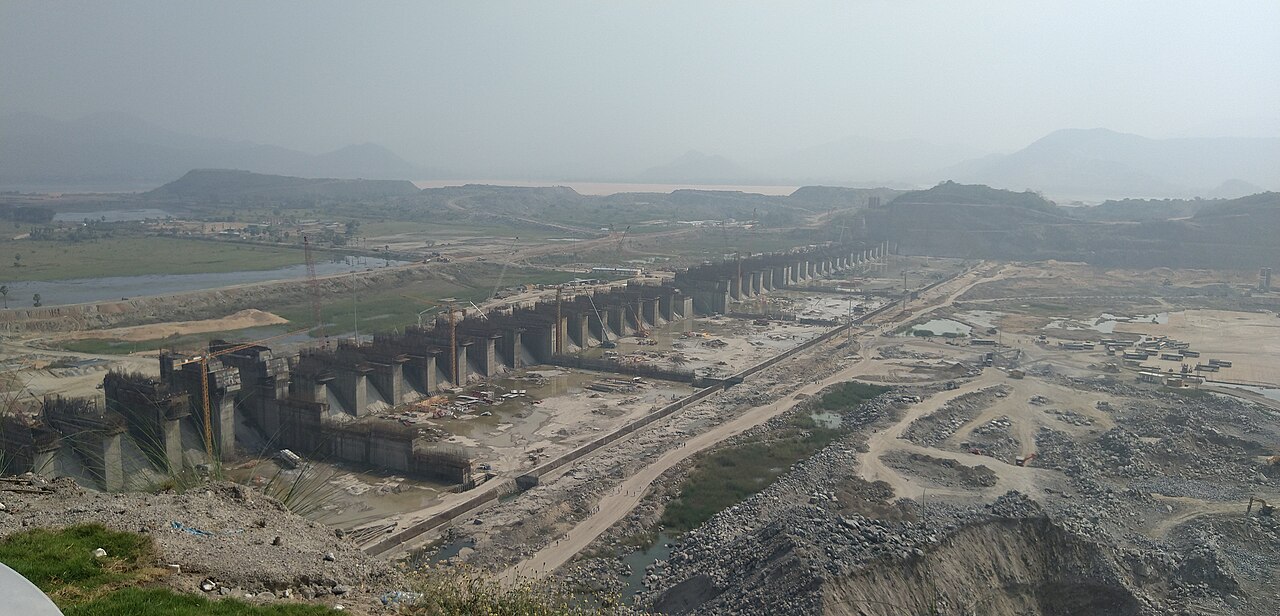
Villagers in the Konta area of Chhattisgarh do not know whether the Polavaram Irrigation Project, a dam being built more than 100 kilometres downstream on the Godavari river in Andhra Pradesh, will flood their homes, Mongabay India reports. Andhra Pradesh Chief Minister N. Chandrababu Naidu pledged in August to complete the project by 2027.
Under construction since 2004 and a national project since 2014, Polavaram aims to irrigate 291,000 hectares, generate 960 MW of hydropower, supply drinking water to 2.85 million people in 540 villages and divert Godavari water to the Krishna basin. In August 2024 the Union Cabinet approved about 304 billion rupees to take the reservoir to a first-phase level.
Estimates of the villages at risk vary: the Union government told Parliament in 2013 that eight Chhattisgarh villages would be submerged; the state water resources minister named nine, home to about 18,510 people, in 2020; and the Bastariya Raj Morcha, a local organisation, put the number at 18 in September. A Comptroller and Auditor General audit tabled in March found that, without protection, backwaters could submerge 12 villages in Chhattisgarh and Odisha, affecting 3,337 families, and that the planned embankments along the Sabari and Sileru rivers had not been started, held up by unresolved environmental clearance cases in the Supreme Court. Andhra Pradesh told the auditor the first phase, impounding water to 41.15 metres, would not cause interstate submergence.
Himanshu Thakkar of the South Asia Network on Dams, Rivers and People argued that the required public hearings in the affected states were never held and that the backwater impact has not been assessed. Chhattisgarh Chief Minister Vishnu Deo Sai, visiting flooded areas on 28 September, said the number of affected villages may exceed 18. Local groups are demanding a public survey, disclosure of who will be affected, compensation before displacement and education in local languages for the Koya and Dorla tribal communities.
Photo: Chaduvari / Wikimedia Commons (CC BY-SA 4.0)
Source: Mongabay India

Comments
(0)