
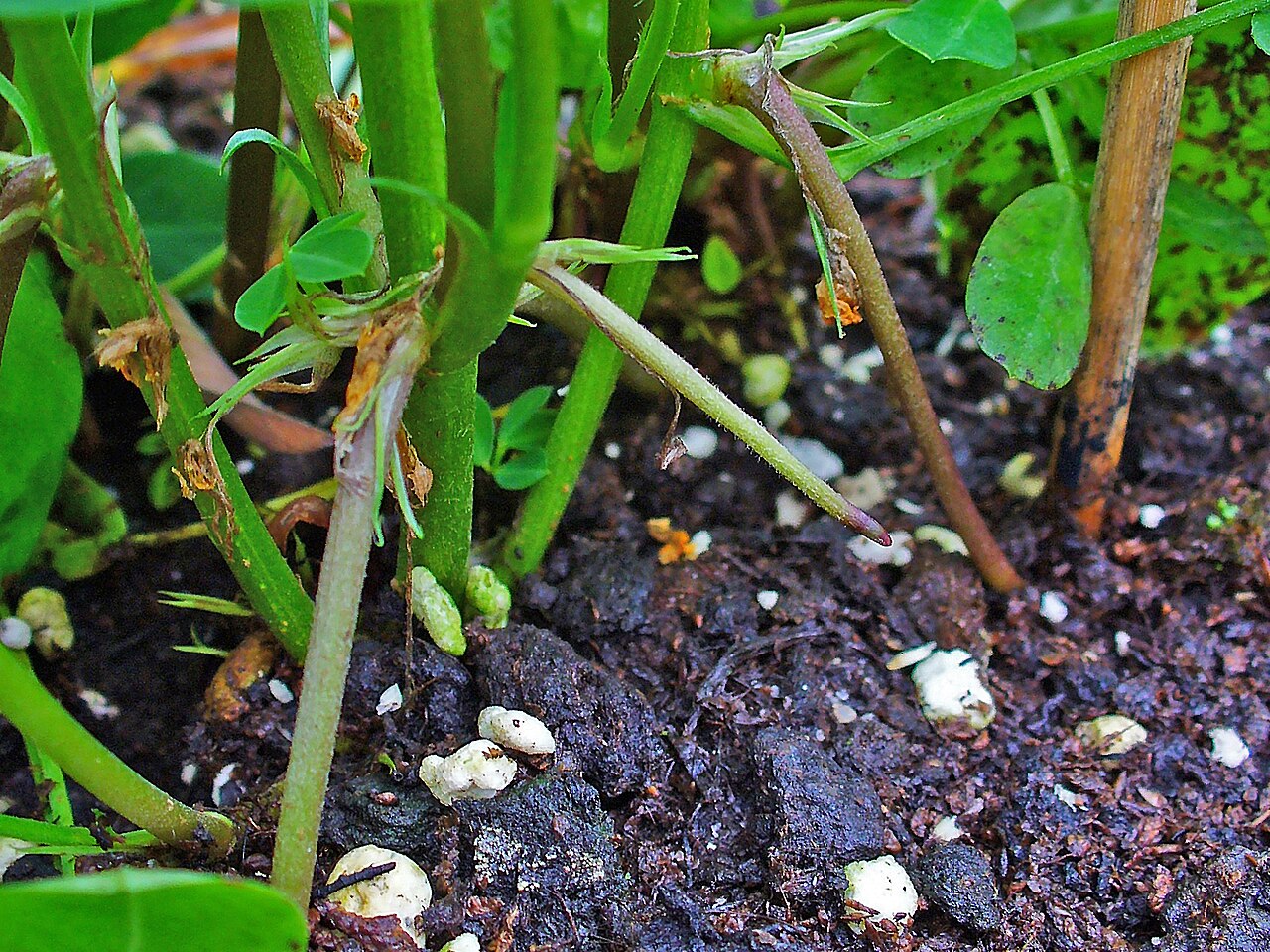
Scientists have mapped the genetic variety of cultivated peanut across 2,320 accessions from 87 countries, in what the International Crops Research Institute for the Semi-Arid Tropics (ICRISAT) calls the most comprehensive genomic study of the crop so far. The work appears in Nature Genetics and gives breeders a public resource for finding traits that were hard to see until now.
The problem it addresses is old. Dr Manish K. Pandey, the ICRISAT principal scientist who co-led the study, said groundnut breeding has been held back for decades by a narrow genetic base. A pan-genome addresses that by comparing many lines of a crop at once, so that it captures large differences in DNA that a single reference genome misses.
The team catalogued structural variations and exchanges between the sets of chromosomes that had gone undetected. Two genes stand out. AhTFL1 is linked to the timing of flowering, and Ah12g032500 was identified as a dwarfing gene. Shorter plants can allow machine harvesting and closer planting, which could make production more efficient. The study also lays groundwork for finding variants tied to seed size and the number of pods.
The samples came largely from gene banks. The accessions cover 88.03 percent of ICRISAT's core collection and 59.21 percent of the US Department of Agriculture's peanut collection. Dr Raman Babu, who directs ICRISAT's accelerated crop improvement research, said the gene bank was at the heart of the discovery.
ICRISAT shared the lead with the Institute of Crop Germplasm Resources at the Shandong Academy of Agricultural Sciences, the State Agricultural Biotechnology Centre at Murdoch University in Australia, and the Henan Academy of Agricultural Sciences.
A genome study is not a new variety, and no release date comes with this one. Its use is further upstream: breeders can search it for genes behind high yield, better nutrition and climate resilience. ICRISAT director general Dr Himanshu Pathak described it as a step towards improved crops for smallholders in dryland areas.
Photo: H. Zell / Wikimedia Commons (CC BY-SA 3.0)
Source: CGIAR

Comments
(0)