
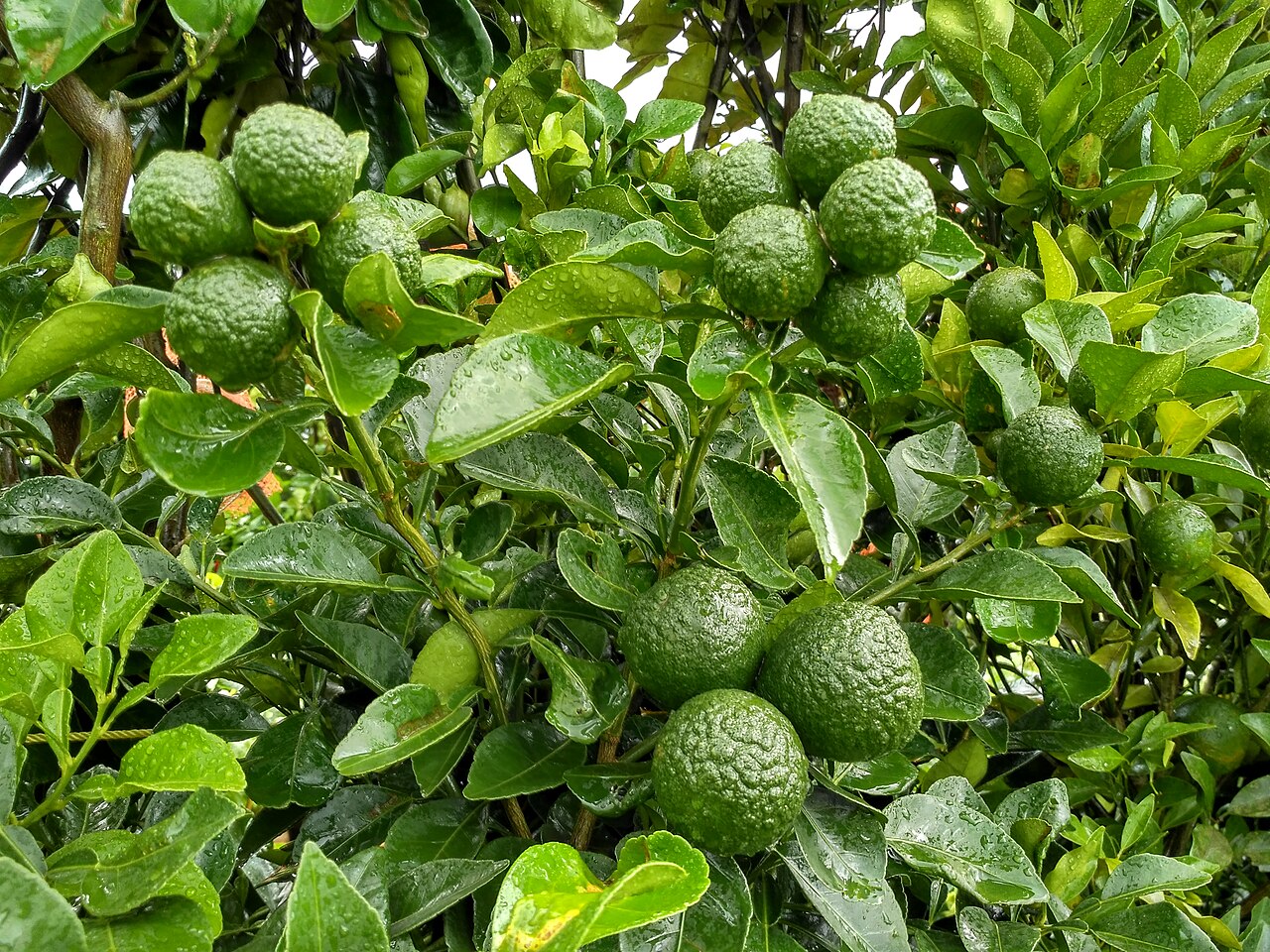
The orange is a citrus rich in vitamins and minerals, and in Bangladesh's hills and the north it is becoming a profitable crop. Grown with care it gives high yields and a long-lived income.
What it gives
Vitamin C for immunity and skin; vitamin A for the eyes; antioxidants against free radicals; fibre for digestion; potassium for blood pressure; and few calories — about 47 per 100 g, with 11.8 g of carbohydrate, 0.9 g of protein and 2.4 g of fibre.
Why eat it
- Stronger immunity against colds and infections.
- A healthier heart and controlled blood pressure.
- Brighter skin, through collagen.
- Help with weight, through fibre and few calories.
- Better digestion, and antioxidants that fight cancerous cells.
Why grow it
- High price: demand runs all year, at home and abroad.
- Simple husbandry and comparatively little labour.
- Long-term income: a tree planted once bears for decades.
- High yield per hectare with proper feeding and care.
- Bangladesh's climate and soil suit it, especially the hill districts and the northern border belt.
Plant grafted saplings of a good mandarin variety, feed with organic manure and balanced fertiliser, irrigate in the dry months, keep the orchard weed-free and prune for light: the orange rewards patience.
Photo: A mandarin orange tree at the National Tree Fair, Dhaka — Salim_Khandoker / Wikimedia Commons (CC BY-SA 3.0)
Comments
(0)