
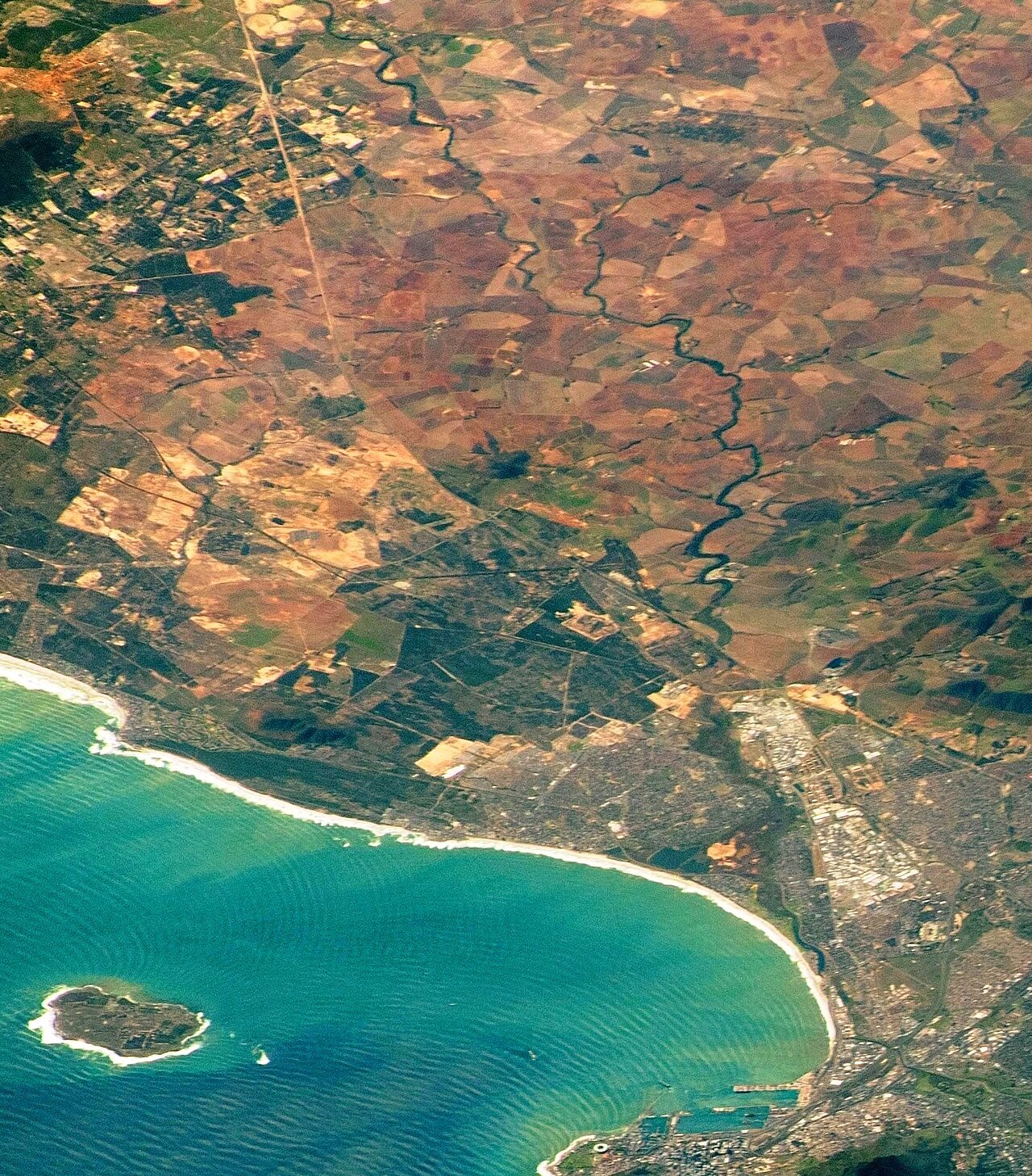
South African farmers receive far less government support than competitors in other countries, according to the OECD's Agricultural Policy Monitoring and Evaluation 2026 report, published this week. Its Producer Support Estimate for South Africa averaged 3.1% of gross farm income in 2023-25, against about 13% across the 56 countries surveyed.
The estimate measures transfers to farmers from agricultural policies, including direct payments and measures that influence domestic prices. Support reached around 50% of gross farm income in Norway and Switzerland, 12.6% in Egypt and 6.4% in Peru. South Africa's own figure has fallen from 7.4% in 2000-02.
Global agricultural support exceeded US$950 billion in 2025, nearly 15% more than in 2023. Nearly half came through measures the OECD classes as potentially the most trade-distorting: policies raising domestic prices, payments linked to production and subsidies for certain inputs. Such measures, it says, can encourage production that would not otherwise be commercially viable.
Willem de Chavonnes Vrugt, president of AgriSA, linked the rise to governments emphasising domestic food production after the COVID-19 pandemic and amid geopolitical uncertainty. South African agriculture grew by taking part in the free market, he told Farmer's Weekly, "but that ability is increasingly being restricted by the geopolitical environment".
The report also found that South Africa's General Services Support Estimate, which covers research, innovation, infrastructure and inspection, averaged just 1% of agricultural production value in 2023-25, down from 3.9% in the early 2000s, and warned that persistently low investment could constrain productivity growth. And 97% of the assistance South African producers do get comes through potentially trade-distorting measures such as sugar import tariffs and the diesel rebate.
De Chavonnes Vrugt said government spending should be judged by its results in infrastructure, production and exports. "When we look at the budget for rural development, for example, we need to ask what we actually achieved with the money that was spent," he said.
Reporting by Lindi Botha.
Photo: NASA / Wikimedia Commons (Public domain)
Source: Farmers Weekly South Africa

Comments
(0)