
The German development agency GIZ, PepsiCo India and Bayer's Crop Science Division have announced HARVEST, a public-private partnership that aims to reach 35,000 maize farmers in Maharashtra and Madhya Pradesh over three years, AgroSpectrum reports.
The name stands for Holistic Agricultural Climate Resilience and Versatile Ecosystem Strengthening Techniques. It is being implemented under the develoPPP programme of the German Federal Ministry for Economic Cooperation and Development (BMZ).
The partners say maize matters in India as food, animal feed and an industrial raw material and for the livelihoods of smallholders, but that erratic rainfall, drought, rising temperatures and pressure on natural resources are adding to farmers' risks.
HARVEST will promote regenerative practices suited to local conditions across maize-based systems, including rotational crops, with a focus on soil health, efficient use of water and inputs, crop diversification and practices that help farmers manage climate risk. The project also says it will seek to build the case for moving to regenerative agriculture at scale and to reduce the risk of doing so.
Working with independent research institutions, including the Indian Institute of Maize Research and government bodies, it will develop local recommendations based on research and soil and water assessments. Demonstration farms and farmer-to-farmer learning are planned, as is training for public extension services, agronomists and farm leads.
"For regenerative agriculture to scale, sustainability and farmer economics have to move together," said Simon Wiebusch, country divisional head of Bayer's Crop Science Division for India, Bangladesh and Sri Lanka. Ashok Rai, senior director at PepsiCo India, said the company is bringing its experience with potato farming and soil health to maize.
PepsiCo and Bayer have worked together for over two decades in the potato value chain, and PepsiCo and GIZ ran a project on potato and rice value chains in Thailand from 2021 to 2025. The announcement gives no budget and no farm results yet; the 35,000 is a target.
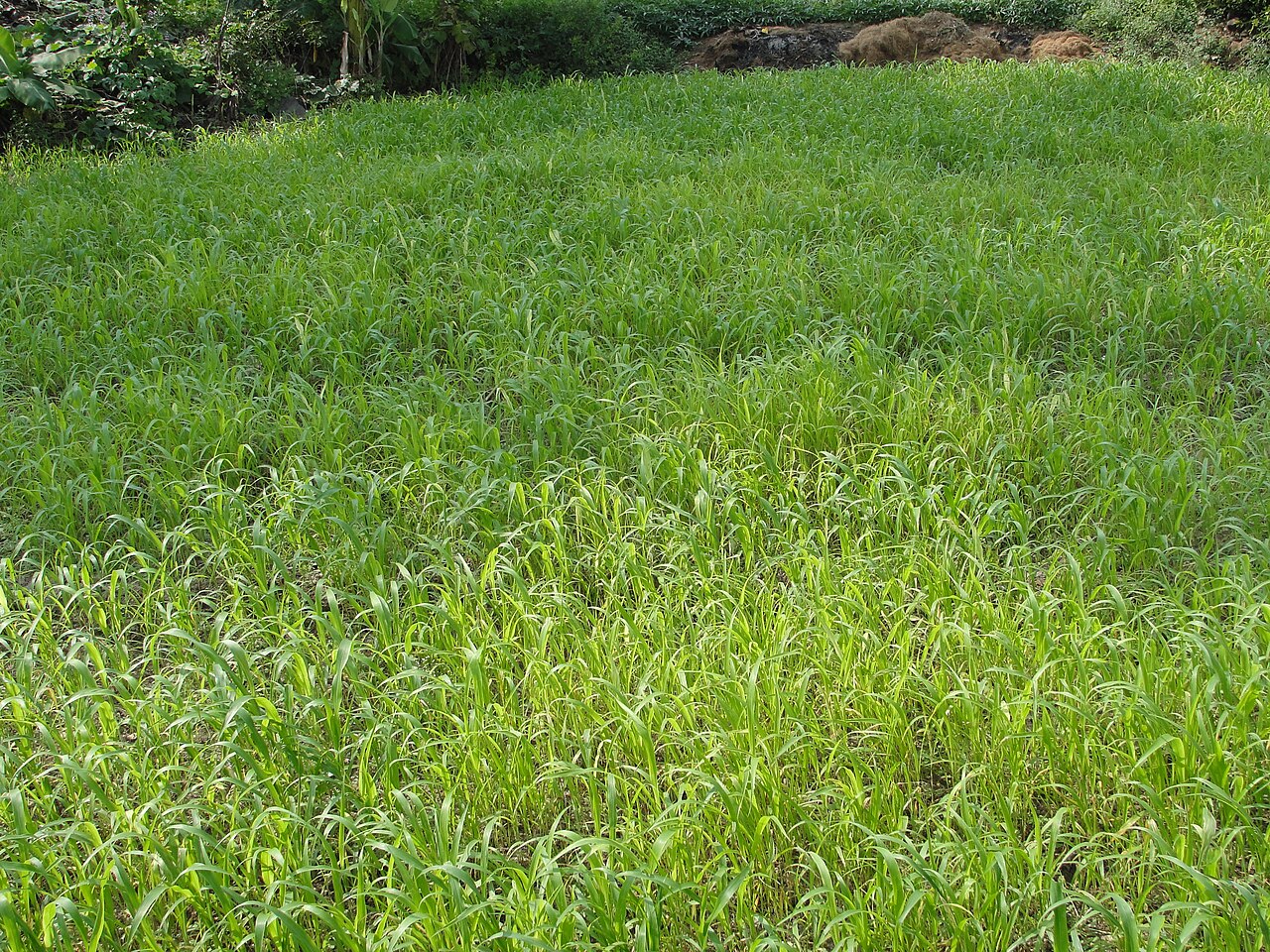
Photo: Thamizhpparithi Maari / Wikimedia Commons (CC BY-SA 3.0)
Source: AgroSpectrum

Comments
(0)